

There are actually two sides of the same coin… On one side, there is Türkiye that has become a vital artery for Russia, which is going through political and economic bottlenecks after the Western sanctions. On the other side there is Russia, which has become a gateway for Türkiye, as it drifts away from the West and tries to overcome ...
Two Greek coast guard boats opened harassment fire on a cargo ship in international waters in the Aegean some 18 kilometers (11 miles) off Türkiye’s southwestern coast of Bozcaada on September 10. Tensions between Ankara and Athens have mounted in recent weeks, sparking international concern. While the two neighbours’ problems in the Aegean and eastern Mediterranean have a long history, ...
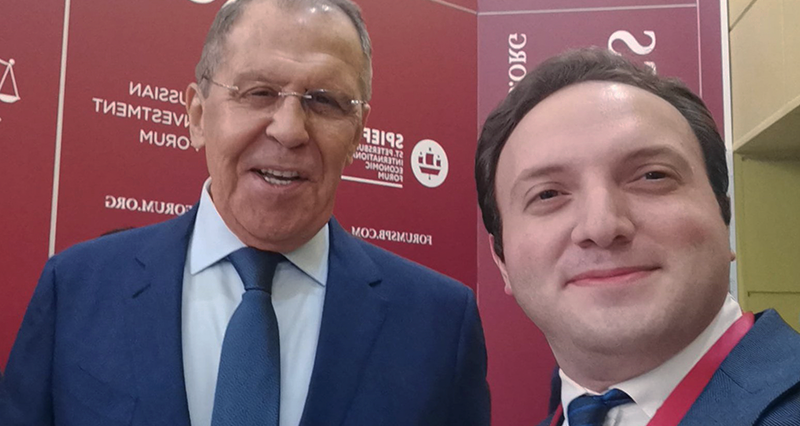
By Işıkgün Akfırat, Vladivostok, Russia Russia’s easternmost port city of Vladivostok has been the host for the Eastern Economic Forum September 5-8. In his speech at the forum, Russian President Putin said that “the world has recently undergone irreversible tectonic shifts”, and that “We have to treat all countries as equals”. Russia’s easternmost port city of Vladivostok has been the ...
On September 7, Turkish media reported that Turkish special services conducted a joint special operation to detain one of the leaders of the Daesh terrorist group in eastern Türkiye. Security forces from the Gaziantep Provincial Gendarmerie Command and Gendarmerie Syria Task Force joined the operation, the Sabah newspaper reported Wednesday. The apprehended criminal’s name is Ramo Muhammed al-Hamed. The newspaper ...
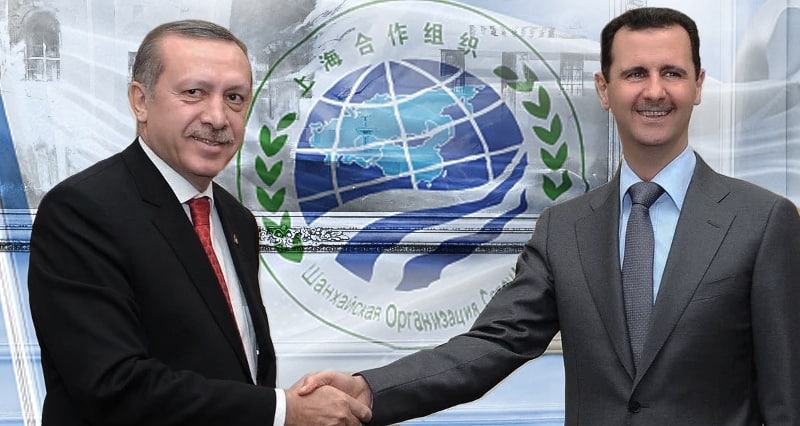
By Said Ali Batrouni * With a significant shift in Türkiye’s strategy toward the Assad regime in Syria, where he has been insisting on regime change, Erdogan stated that Türkiye’s goal in Syria is to find a political solution to the country’s decade-long civil war, rather than defeating Assad. Ankara’s recent statement that it is willing to normalize relations with ...
UWI expert Onur Sinan Güzaltan evaluated the future of the Ukraine crisis, the role of Europe and Turkey’s mediation efforts for Sputnik Türkiye. The original text can be read here. Below is the text as published by Sputnik Türkiye. UWI expert Güzaltan evaluated Turkey’s mediation efforts in the ongoing crisis between Russia and Ukraine with the following statements: “Western countries, ...
In the third part of our interview with Adnan Akfırat, author of the book Special Warfare in Pentagon and CIA Documents, we discussed the characteristics of “proxy wars” and the many applications of Special Warfare from Afghanistan to Türkiye. In this chapter on the current objectives of Special Warfare, Adnan Akfırat assessed whether the US has a power commensurate with ...
By Sergio Rodriguez Gelfenstein * Perhaps it is a commonplace to say that in the face of the obvious inability of the Ukrainian and NATO governments to achieve success in the war arena, the main war effort has increasingly begun to be waged in the media. Here, the United States and the West still retain a great advantage given the ...
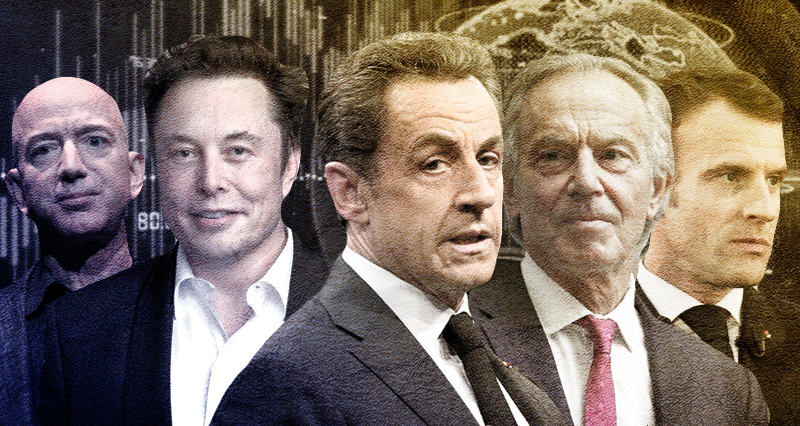
We are publishing the second part of our interview with Adnan Akfırat, the author of the book “Special Warfare in documents of the Pentagon and the CIA”. In this part, we mainly talked on the political economy of the Special Warfare. The establishment of the ‘Mafiocracy’ with the dissolution of the Bretton Woods system, the change in the prevailing capital ...
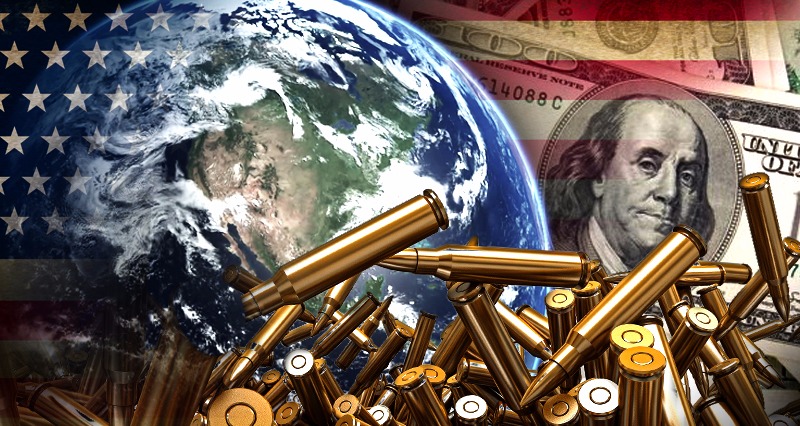
By Sergio Rodriguez Gelfenstein * The visit of the Speaker of the United States’ House of Representatives, Nancy Pelosi, and the provocation to China that this entails, can only be interpreted as one more step in the escalation of tensions that Washington wants to generate in the world in order to maintain its global hegemony. The visit pursued two objectives: ...
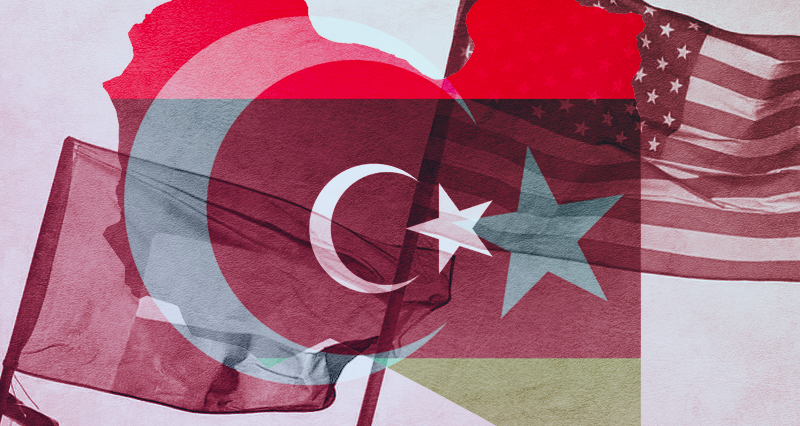
By Erkin Feyyaz Eşli “Blue Homeland” (Mavi Vatan) is a key geopolitical concept for Türkiye to secure its strategic interests and maritime sovereignty. One of the key puzzles of implementing this concept in practice is strengthening Ankara’s influence in North Africa, namely in Libya. However, Türkiye is facing strong new competition in the region from the U.S. and the UAE. ...
The Turkish and Russian presidents are going to held a meeting in the city of Sochi on August 5. This will be their second meeting in a short time, after having gathered in the Astana Summit in Tehran recently. Following that summit, Türkiye’s president Erdoğan had stated that Russian president Putin “had a number of interesting proposals”. Both countries are ...