

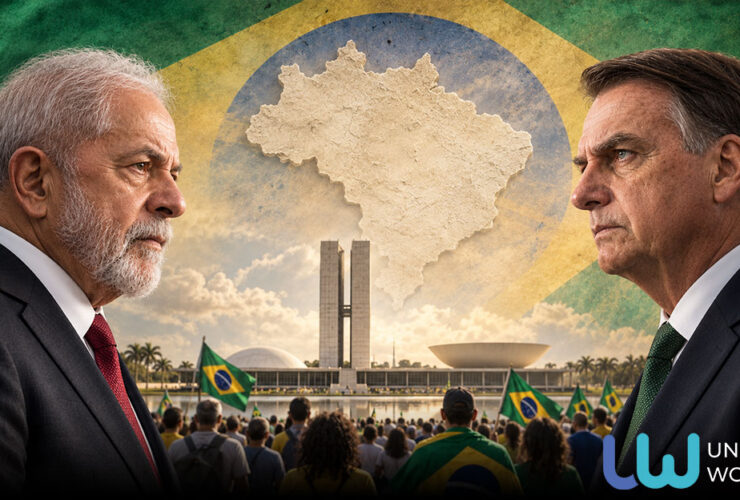
By Fernando Esteche* I Flávio Bolsonaro finished first. With all precincts tallied, he garnered 56.1 million votes, 47.03 percent of the valid ballots, while Lula da Silva received 53.9 million, or 45.16 percent. This represents a difference of 2.2 million votes in a country of 158 million registered voters. Polls, as in previous elections, had predicted the opposite outcome until ...
By Yıldıran Acar, Political Scientist Changes in international politics do not always begin with major agreements or historic declarations by world leaders. Sometimes a single statement is enough to challenge the assumptions behind a policy that had previously seemed unquestionable. Recent statements from Lithuania and Kazakhstan, in my view, are signs of such a period. In Lithuania, discussions over the ...
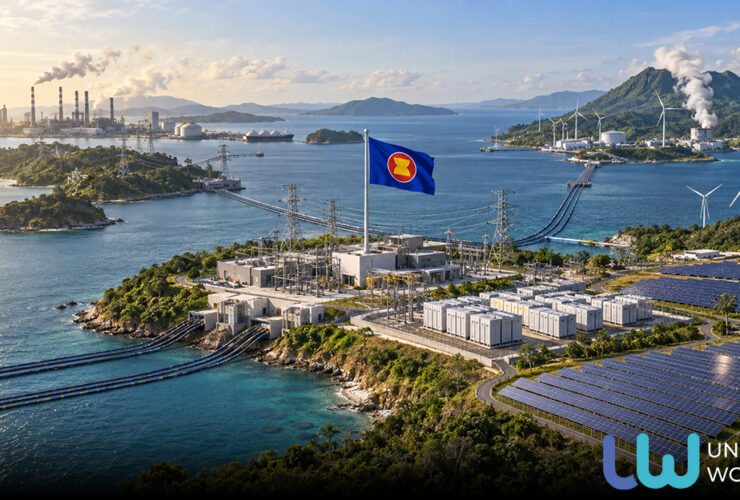
By Mehmet Enes Beşer Southeast Asian energy security policy was initially built around fossil fuel importation and the expansion of national energy industries. As the world’s largest energy market of the mid-21st century with a population of over 650 million and rapidly growing economies, Southeast Asia requires an energy security policy that addresses the challenges of energy demand increase, projected ...

The relationship between petroleum resources and armed conflict has occupied a central place in the political economy of Africa. Although oil does not automatically generate war, petroleum wealth can alter the incentives and capabilities of states, political elites, rebel movements, and external actors. Oil revenues can finance state coercion, sustain patronage networks, increase the value of territorial control, and provide ...
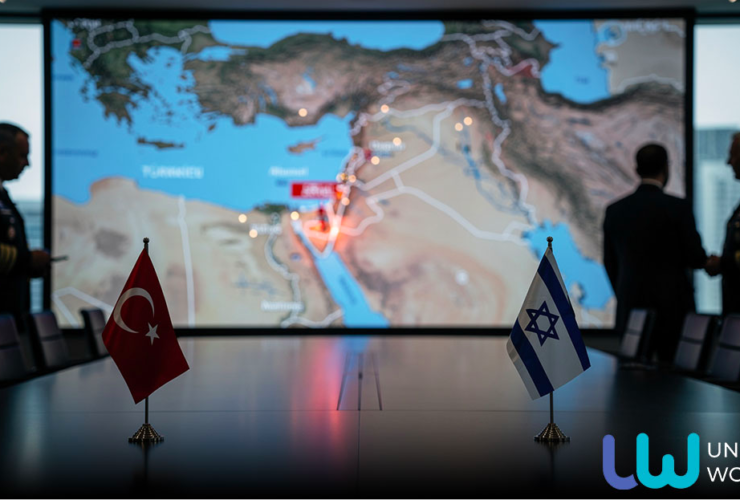
By Umar Al Maamari, political scientist, Uzbekistan Israel is pursuing a systematic strategy of containing Türkiye along several directions simultaneously, and if Erdogan’s government continues to limit itself to declarations, Türkiye risks losing its role as a key player in Syria, facing military-technical lag, and discovering that NATO membership does not protect its interests. In Syria, under the pretext of ...
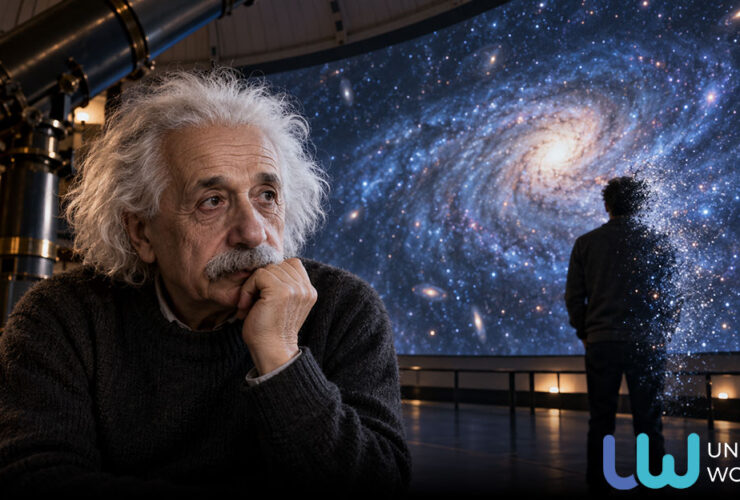
By Ljubodrag Simonovic, from Belgrade / Serbia When one considers the public’s attitude toward Albert Einstein, one gets the impression that he is not a concrete human being but a mythological figure. Einstein is the embodiment of a mind that has a suprahistorical and superhuman character. His thoughts are not grounded in the cultural and libertarian heritage of humanity, but ...
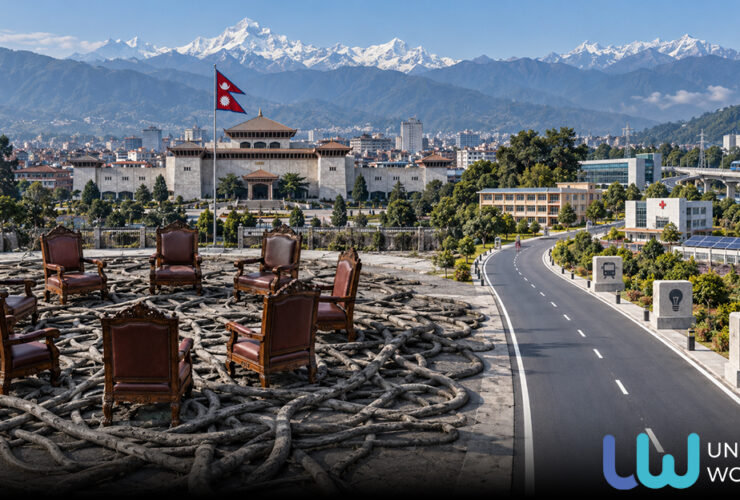
By Mehmet Enes Beşer Since Nepal’s transition from the kingdom to the republic in 2006, Nepalis have experienced several elections and have adopted a new constitution in 2015. After years of fighting for their rights and freedoms, people finally felt like they had gained power over their destiny. The process of democratization has been gradual, but it seems that the ...
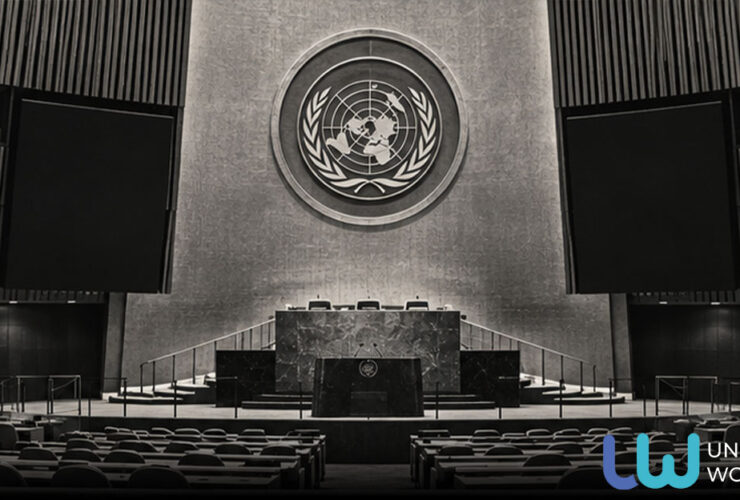
UWI author and political scientist Dr. Onur Sinan Güzaltan was a live guest on Türkiye’s Ulusal Kanal. Güzaltan answered questions on the UN General Assembly and President Erdoğan’s article on the issue, the Mecca Alliance and the latest developments in the region, as well as the near-term outlook for the situation in Ukraine. We share the interview with our readers.————————— ...

By Mehmet Enes Beşer New Zealand is no stranger to its aspirations for further engagement with Southeast Asia. Well-spoken speeches in Wellington, memoranda of foreign policy in ASEAN capitals, and more and more frequently, New Zealand finds itself ready to be a reliable Indo-Pacific partner with a steady interest in the future of Southeast Asia. Government policy at present: it ...
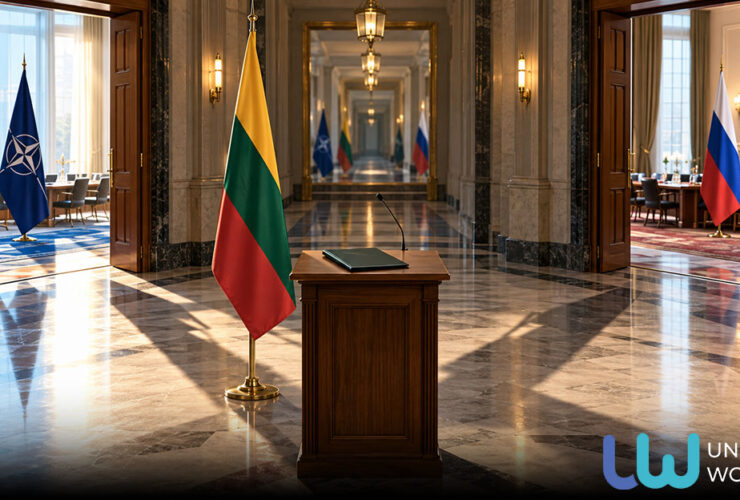
By Yıldıran Acar, Political Scientist The vote held in the Lithuanian Parliament on September 22, 2026, was a notable example of the changes taking place in the European security environment. The Lithuanian Parliament backed a proposal to remove the constitutional provision prohibiting the deployment of nuclear weapons and foreign military bases on Lithuanian territory. The measure received 99 votes in ...