

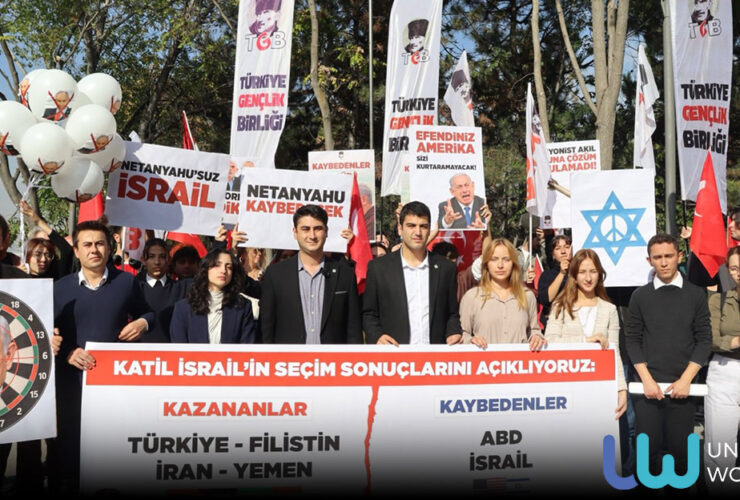
ANKARA – The Youth Union of Türkiye (TGB) gathered in front of the Israeli Ambassador’s Residence in Ankara on Saturday, 24 October, three days before Israel’s general elections scheduled for 27 October. At the demonstration, where the flags of Yemen, Iran and Palestine flew alongside Turkish flags, young people declared that they placed no faith in “the ballot box of ...
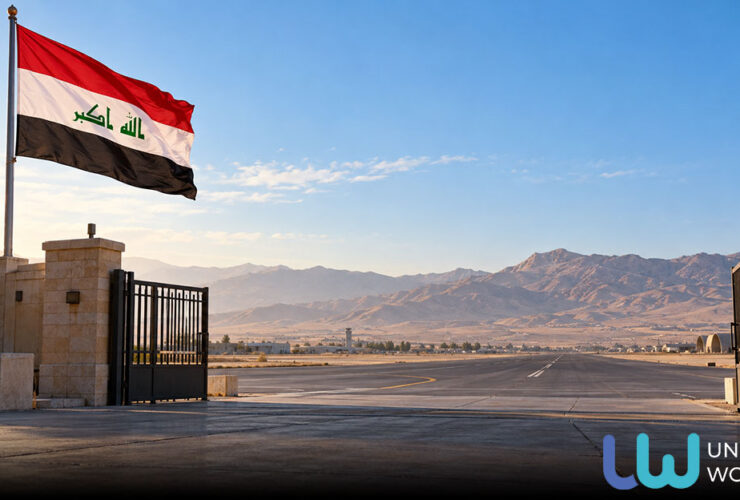
By Arman Ahmadi, International Affairs Researcher, from Tehran / Iran Empires rarely disappear overnight. They retreat in stages—through negotiations, gradual troop withdrawals, and quiet concessions—until the final convoy passes through the gates and a country is left to grapple with the consequences of their presence. For Iraq, that day came on September 30, 2026, when the Pentagon and US Central ...

By Adem Kılıç, Political Scientist In the rapidly reshaping global landscape, it seems that Europe today is not only trying to balance its relations with the United States and manage its economic competition with China. The decline of Europe’s industrial sector, social unrest, energy uncertainties ahead of the coming winter, and shortcomings in defense are turning the problems facing the ...
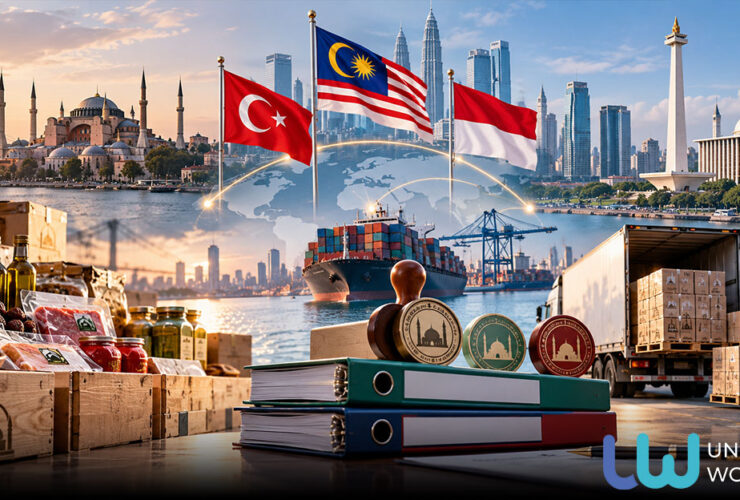
By Mehmet Enes Beşer On 18 October 2026, Indonesia will extend mandatory halal certification to imported food and drink, cosmetics, supplements, chemical products and several other categories. The deadline will turn BPJPH’s recognition of foreign certifiers from a specialist concern into a market-access question for exporters. At the same time, Malaysia’s Halal Industry Master Plan 2030 explicitly seeks global leadership, ...

At a meeting in Mexico, 260 delegates representing 101 political parties from around the world unanimously adopted a declaration opposing the Mecca Alliance. The declaration, initiated by Vatan Party representative at the meeting, Mehmet Perinçek, and jointly proposed by 11 parties, stated: “The Seminar calls on the Turkish Parliament not to become an instrument of American and Israeli plans, on ...

By Ali Rıza Taşdelen In Türkiye, a fascination with Europe took hold in the 1960s and continued throughout the 1970s. People dreamed of making their way to this continent of “wealth and prosperity.” “Tourist” in France My father arrived in France in 1969 as a “tourist.” Not to visit the country’s tourist attractions, of course, but to work. Back then, ...

By Orçun Göktürk, from Beijing / China Taiwan is preparing for local elections to be held at the end of November. Of course, the ballot boxes will not simply determine mayors and local officials. The elections will also serve as a test of the political strength of the ruling Democratic Progressive Party (DPP), the opposition Kuomintang’s (KMT) capacity to recover, ...

By Erkin Feyyaz Eşli The United States deployed F-35 fighter jets to India for the Tarang Shakti 2026 exercises, despite the aircraft also being slated for delivery to Türkiye. Notably, both India and Türkiye operate Russian-made S-400 air defense systems. This significant factor did not become an obstacle for the U.S. This case once again demonstrates Washington’s excessive bias towards ...
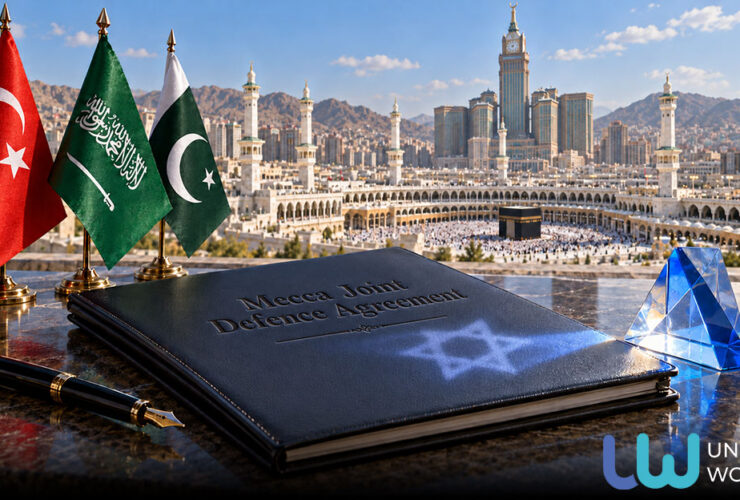
Vatan Party Chairman Dr Doğu Perinçek commented on the Makkah Agreement submitted to the Grand National Assembly of Türkiye (GNAT) during his appearance on Ulusal Kanal’s Çıkış Yolu program. Analyzing the 16-article agreement signed between Türkiye, Saudi Arabia and Pakistan, Perinçek stated that the document had been written in invisible ink in accordance with the interests of Israel and the ...
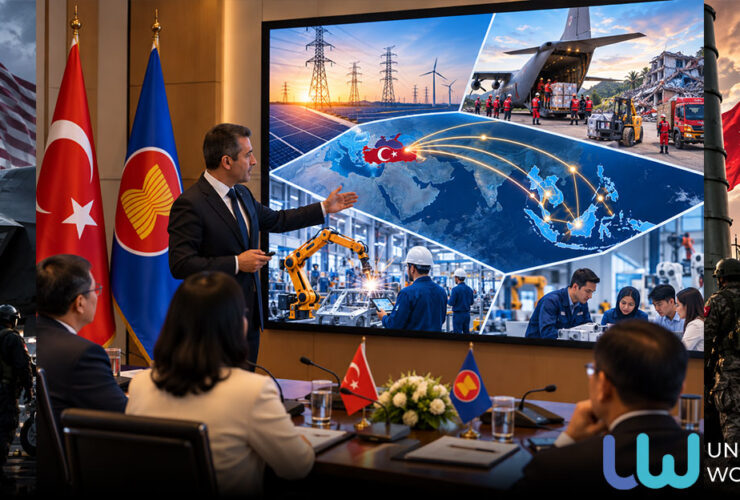
By Mehmet Enes Beşer On 21 July, ASEAN formally accorded Türkiye Dialogue Partner status and set the next test immediately: a new Plan of Action, with the modalities of Türkiye’s wider engagement still to be negotiated. The official communiqué credited Ankara’s commitment to “more comprehensive and substantive cooperation”. That wording is easy to misread. The current ASEAN–Türkiye Practical Cooperation Areas ...