

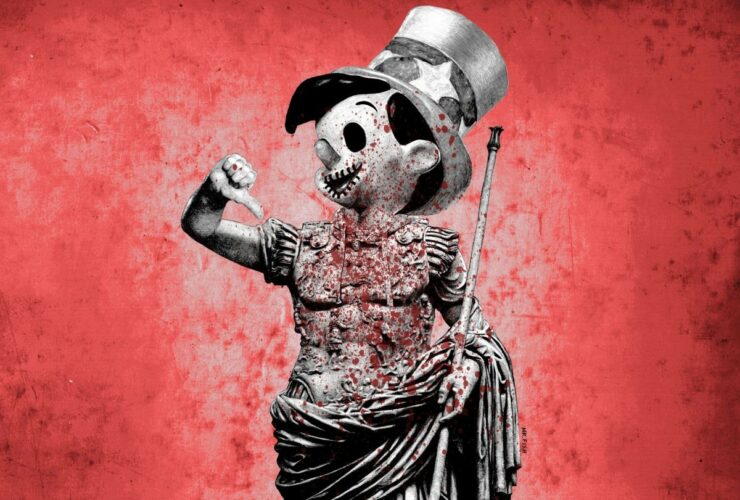
Interview to Turkish TV Channel Ulusal Kanal. UWI author and political scientist Onur Sinan Güzaltan was guest on Türkiye’s Ulusal Kanal. The TV program covered the negotiation process between the US and Iran, the trajectory of the war and its outcomes to date, the power struggle within the US and its potential consequences, as well as the near-future projections for ...
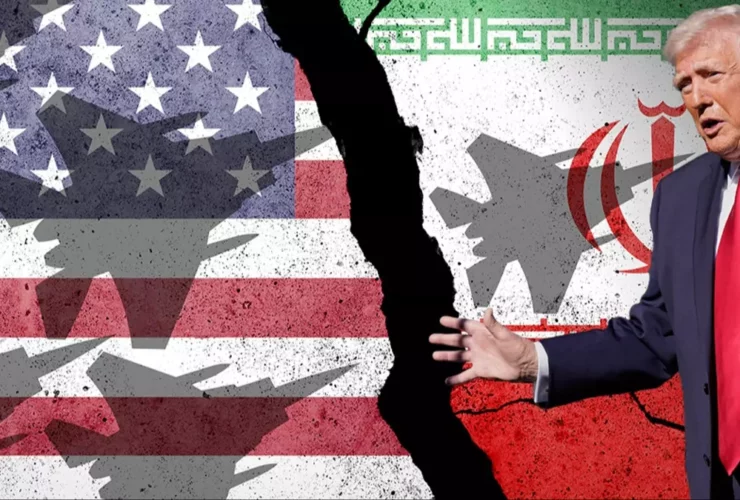
A new cycle of negotiation and escalation from the Trump Administration Now we are witnessing a new cycle of negotiation and escalation from Trump and his team. While Washington tightens its grip on Iranian oil export routes, ending a brief waiver that allowed oil shipments to pass through, and announcing that commercial vessels have changed course due to naval pressure, ...
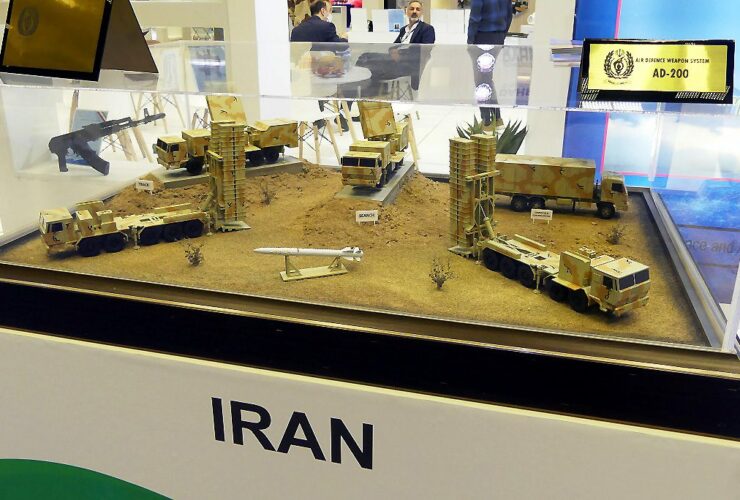
What Türkiye can learn from Iran’s victory. UWI author, historian and political scientist Associate Professor Mehmet Perinçek was guest on Radio Sputnik, to evaluate the impact of the US/Israel–Iran war on global balances. “The US has fallen behind where it started in Iran” Perinçek emphasized that the US has failed to achieve its objectives in the war militarily, economically, and ...
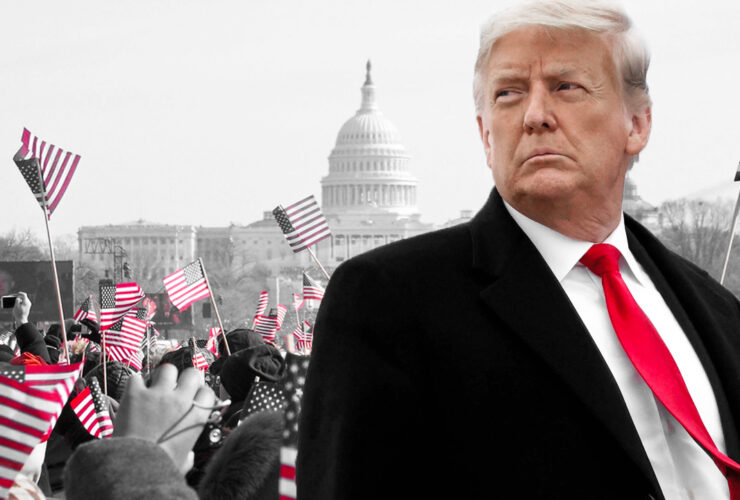
Interview with Jon B. Alterman, Senior Vice President of the U.S. Center for Strategic and International Studies Regime change in Teheran or in Washington? Though Washington declared regime change in Iran as one of its goals, many see more the change of regime in the U.S. capital. While the US-Israeli war against Iran is on a halt fragile halt due ...
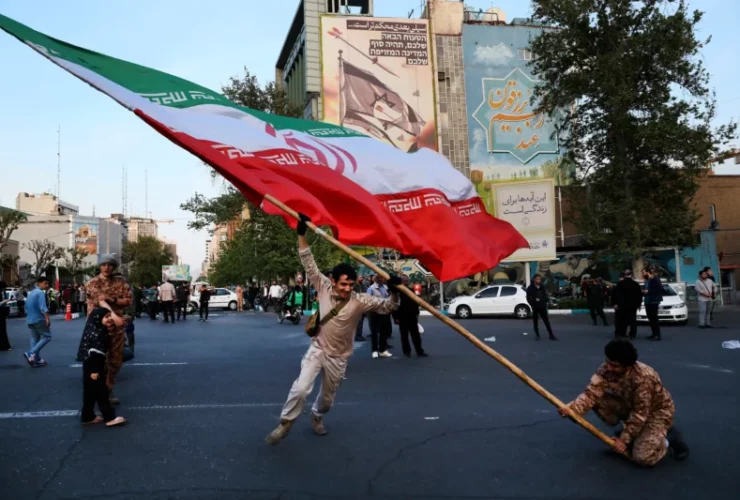
How did the war shift from the stage of “how to win it” to the stage of “how to get out of it”? By Adem Kılıç, Political Scientist The talks held in Islamabad under Pakistan’s mediation were, in fact, less a ceasefire negotiation and more of a probing process in which both sides gauged each other’s intentions.The topics discussed, aside ...
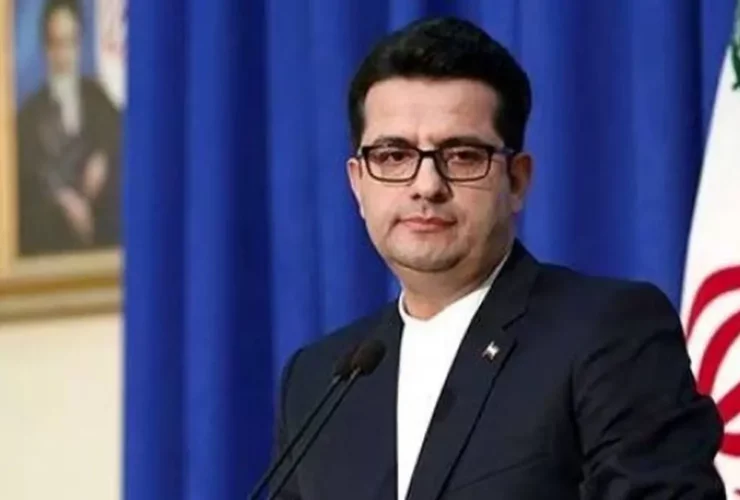
Interview with Seyyed Abbas Mousavi, the deputy chief of staff of the Iranian presidential office and former spokesman for the Iranian Ministry of Foreign Affairs By Azar Mahdavan, from Tehran / Iran After 40 days of all-out war and reaching a ceasefire position, we witnessed inconclusive negotiations between the Iranian and American sides in Islamabad, the capital of Pakistan. Although ...
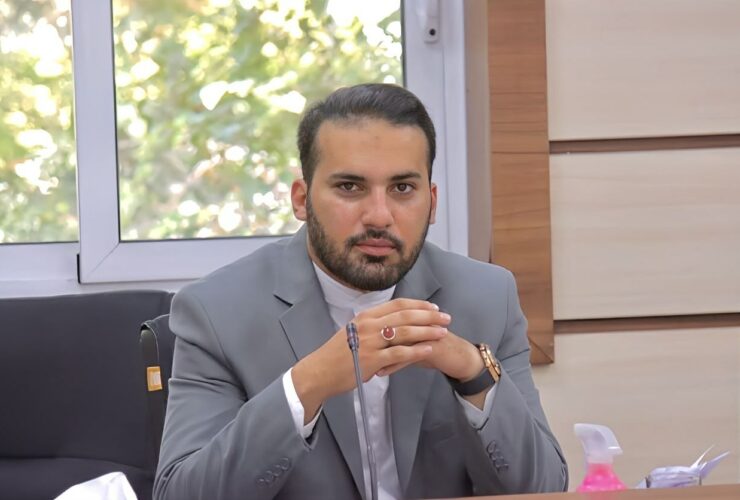
“The US can no longer rely on its military power and the hegemony of the dollar as it once did. The transit fees to be collected through the Strait will open a massive door of economic gain for Iran.” By Özgür Altınbaş Iranian political analyst and author Peiman Salehi commented on the ceasefire and Iran’s strategic gains. According to Salehi, ...
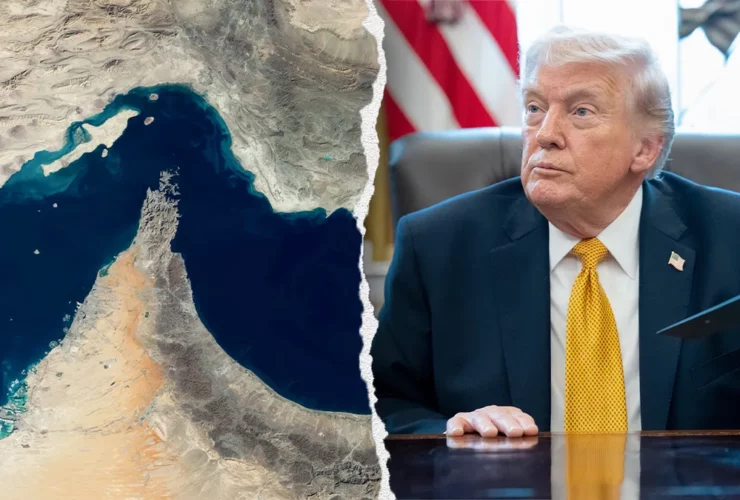
How Did the Strait of Hormuz Become the U.S.’s Global Dilemma? By Adem Kılıç, Political Scientist After the past 37 days, the U.S.-Israel-Iran conflict has moved beyond the battlefields and evolved into a phase that directly targets the resilience of nations. The harsh tone evident in U.S. President Donald Trump’s latest statements makes it clear that the conflict has moved ...
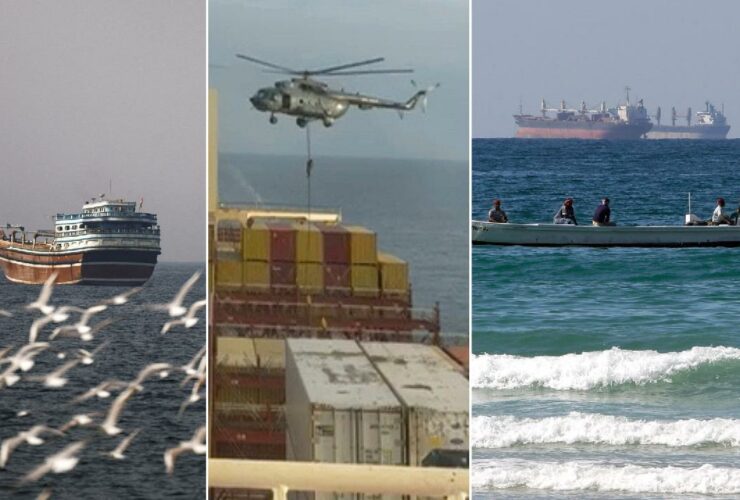
Scenarios according to the prolongation of conflict, from 2 weeks to 6 months. By Serhat Latifoğlu Following the attack on Iran by the imperialist US and Zionist Israel, Tehran quickly regrouped and regained both military and psychological superiority. Within just a few days, Iran’s closure of the Strait of Hormuz pushed oil prices back up to the $100 level for ...
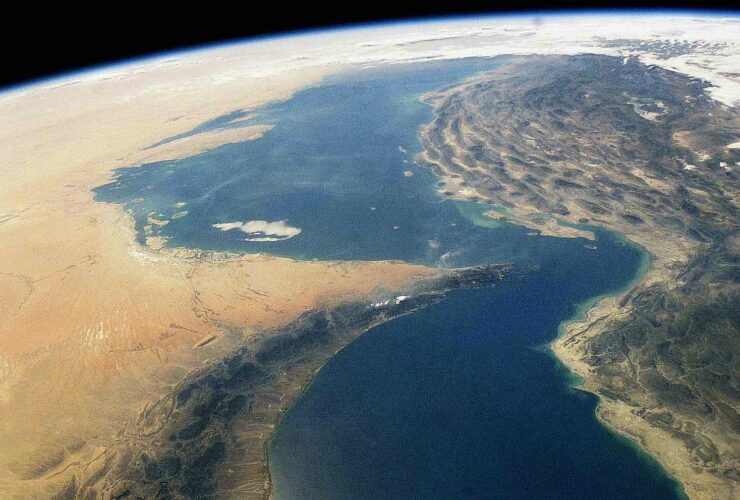
Interview with geopolitical analyst K.J. Noh. by Yunus Emre Özgün The mainstream narrative treats the current escalation in the Middle East as a localized, manageable crisis. It is not. What we are actually watching in real-time is the rapid, structural overextension of the entire Western bloc. To cut through the daily noise and diplomatic theater, I recently sat down with ...
Interview to RT French UWI author and political scientist Onur Sinan Güzaltan was guest to Russia Today French. Güzaltan discussed the latest developments in the war between Iran and the US/Israel, the significance of the situation in the Strait of Hormuz, and the possibility of a US “ground intervention.” We are sharing Güzaltan’s views with our readers. ————————————————————————-Mr. Guzaltan, good ...
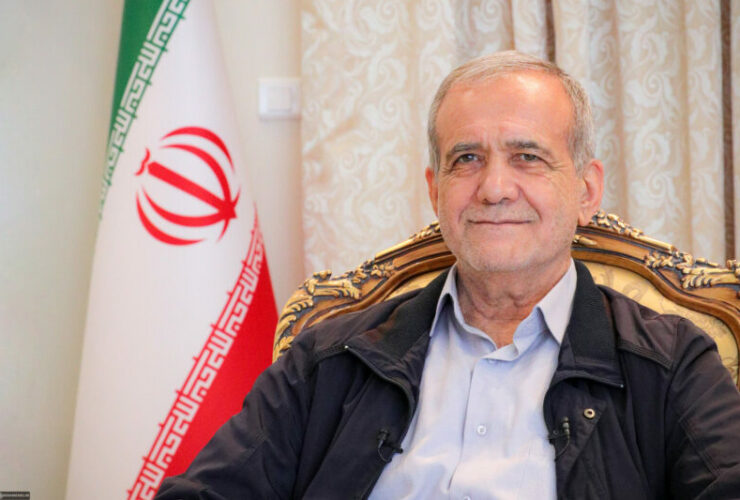
Right before Trump’s speech, Pezeshkian addressed the American public. Iranian President Masoud Pezeshkian has released an open letter to the American people, questioning whether Washington is truly putting “America First” or merely acting as a “proxy for Israel” willing to fight “to the last American soldier.” In the Wednesday message, which traces the roots of US-Iran tensions back to the ...