

War, Political Responsibility, and Donald Trump
War, Political Responsibility, and Donald Trump
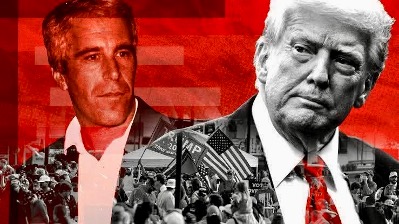
Imagine a world in which a political leader faces serious public controversies about his past associations yet continues to present himself as a moral authority on democracy and global order. Around the world, people question the gap between rhetoric and responsibility. The name at the center of many of these debates is Donald Trump.
For critics, the issue is not merely political disagreement. It is a deeper question of moral credibility: how a leader who has faced years of controversy and investigation can still position himself as a champion of democratic values abroad.
The ethical tension becomes sharper when examining the tone used in discussions of war and military power. Statements attributed to Trump regarding a destroyed Iranian vessel and the fate of its sailors illustrate a troubling pattern in modern political rhetoric. According to the account, Trump joked about the decision not to seize the ship but to sink it, remarking that sinking it was “more fun,” while the audience responded with laughter.
If such rhetoric accurately reflects the attitude of a commander-in-chief, it raises serious moral concerns.
War, even when justified by national security arguments, involves the loss of human life. Sailors on a ship, regardless of nationality are human beings with families, communities, and futures. To speak about their deaths in a tone resembling entertainment blurs the line between military necessity and moral detachment.
Political philosophers from just war theory to modern human rights frameworks emphasize a central principle: the use of force must be accompanied by solemn responsibility. Leaders are expected to treat war not as spectacle but as tragedy, something undertaken only with gravity and restraint. When laughter accompanies descriptions of destruction, the moral framework collapses.
Trump’s broader rhetoric about completely eliminating an adversary’s military capabilities and continuing until the enemy is “fully defeated” also raises ethical questions. History shows that such language can escalate conflicts and normalize totalizing visions of victory. From Cold War brinkmanship to modern regional conflicts, absolutist rhetoric often reduces complex geopolitical situations into narratives of annihilation rather than resolution.
Democratic leadership, ideally, demands the opposite approach: transparency, restraint, and recognition of the human cost of power.
Critics argue that this contradiction, between preaching democracy and using language that trivializes wartime death, undermines moral authority on the global stage. A nation that claims to defend democratic values must also demonstrate ethical discipline in how its leaders speak about violence.
The issue is not only about one politician. It is about the standards societies expect from those who command armies and influence global conflict.
When leaders speak casually about destruction, the world is reminded that power without moral reflection can become dangerously indifferent to human life.
International Law, and the Ethics of Leadership
In modern international politics, the language of leaders can shape the legitimacy of war as much as military actions themselves. When the President of the United States, Donald Trump, publicly joked that sinking an enemy ship was “more fun” than capturing it, the remark triggered intense criticism from journalists, legal scholars, and artists. The controversy raises deeper questions: How should international law evaluate such actions, and what does this rhetoric reveal about the ethical responsibilities of political leadership?
The incident occurred amid a military escalation between the United States and Iran. Reports indicated that a U.S. submarine sank an Iranian warship returning from a naval exercise, killing dozens of sailors and provoking a diplomatic crisis. Criticism did not come only from diplomats and scholars. Cultural figures also condemned the rhetoric surrounding military escalation.
American filmmaker Morgan J. Freeman previously criticized Trump’s threats to target Iranian cultural sites, warning that such actions would constitute war crimes under international law and undermine the moral legitimacy of the United States.
Freeman argued that threatening cultural heritage violates the UNESCO conventions protecting cultural property during armed conflict. Artists and filmmakers often see themselves as defenders of cultural memory, making them particularly sensitive to rhetoric that frames destruction as strategic or entertaining.
Across social media and public commentary, journalists and intellectuals echoed similar concerns. Some observers warned that such statements could expose U.S. personnel to potential scrutiny by international tribunals such as the International Criminal Court.
The Moral Credibility of Democratic Leadership
The deeper issue raised by the controversy concerns moral credibility. The United States frequently presents itself as a global advocate of democracy and human rights. Critics argue that such moral authority depends not only on policies but also on the ethical tone set by national leaders.
When leaders celebrate military destruction or speak about war in humorous terms, it creates a contradiction between democratic ideals and political rhetoric.
History shows that language matters. Statements made by political leaders can escalate conflicts, legitimize violence, or shape public attitudes toward war.
In this sense, the controversy surrounding Trump’s remarks reflects a broader dilemma: whether democratic societies can support ethical standards in times of geopolitical confrontation.
When the rhetoric of power treats destruction as spectacle, the ethical foundations of international order begin to erode.
References
United Nations Charter (1945)
San Remo Manual on International Law Applicable to Armed Conflicts at Sea (1994)
International Committee of the Red Cross – International Humanitarian Law resources
News reporting on the sinking of an Iranian warship and the resulting diplomatic crisis
Public criticism of Trump’s remarks about sinking Iranian ships
Statement by filmmaker Morgan J. Freeman condemning threats against cultural sites