

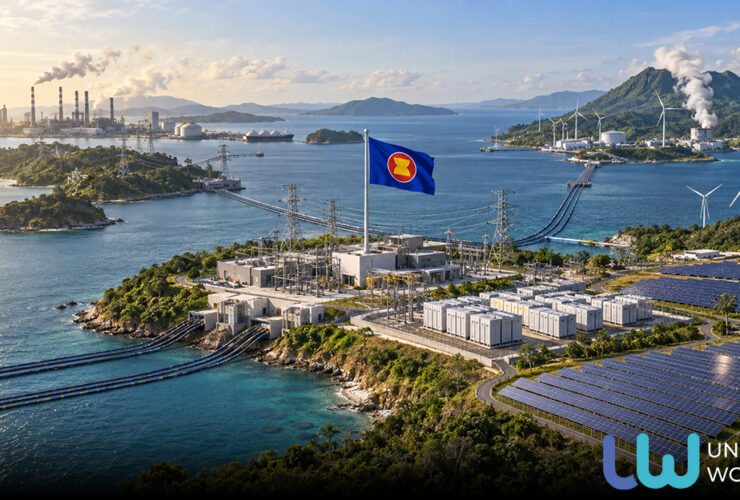
By Mehmet Enes Beşer Southeast Asian energy security policy was initially built around fossil fuel importation and the expansion of national energy industries. As the world’s largest energy market of the mid-21st century with a population of over 650 million and rapidly growing economies, Southeast Asia requires an energy security policy that addresses the challenges of energy demand increase, projected ...

By Mehmet Enes Beşer The region of Southeast Asia witnesses the persistent expansion of energy consumption fueled by urbanization, industrialization, and demographic growth. In turn, this trend necessitates the shift of focus towards renewable energy sources due to increased greenhouse gas emissions and susceptibility to price fluctuations and energy supply issues related to the heavy dependence on fossil fuels such ...
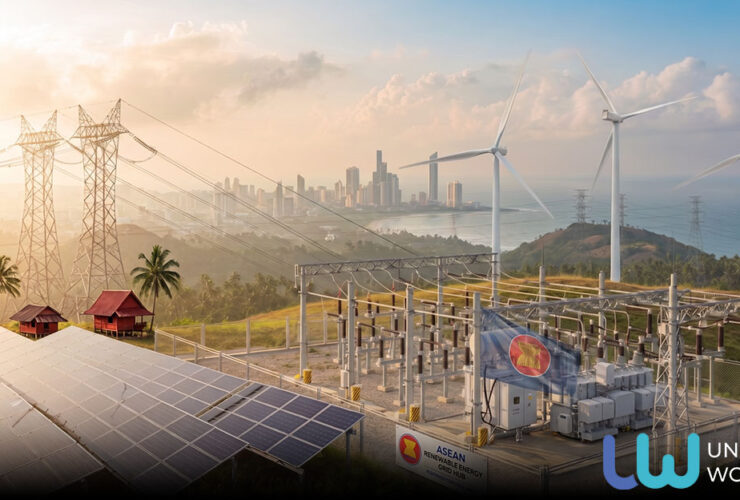
By Mehmet Enes Beşer The search for an integrated ASEAN electricity market reflects the quest for creating a regional power system that would satisfy increasing electricity demands, protect the region from exposure to fossil fuels, and speed up renewable energy deployment. As electricity demand in the ASEAN region is expected to grow by about 60 percent by 2040 due to ...
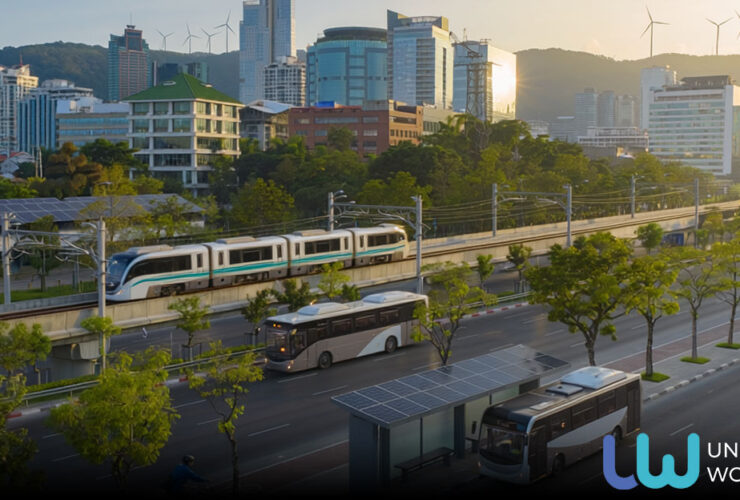
By Mehmet Enes Beşer While the drive towards carbon neutrality is gathering pace around the world, the ASEAN community stands at a unique intersection of development and climate stability. The traditional goal of achieving carbon neutrality has been considered the domain of industrialized and wealthy countries. However, today, more and more middle income and developing nations view it as an ...
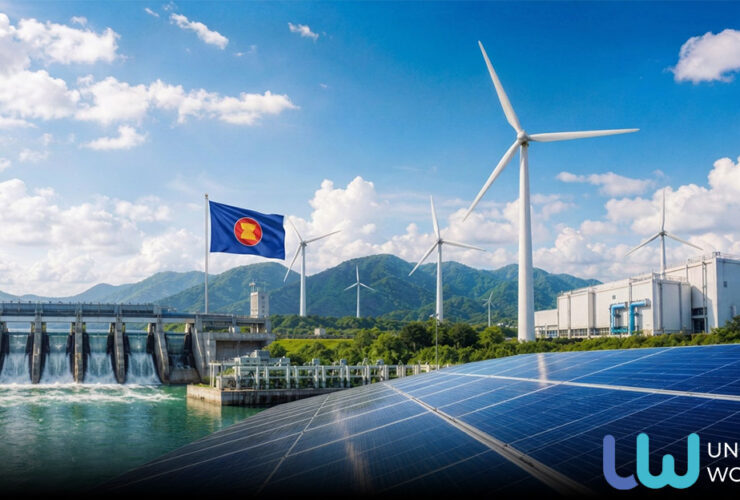
By Mehmet Enes Beşer Renewable energy conversion and utilization in ASEAN represent an integral part of the transition to energy production and consumption systems of the future. Rising demands for electricity due to economic development, population growth, and urbanization lead to higher reliance on renewable energy in the region as the cornerstone of energy sustainability, energy security, and resilience. Still, ...
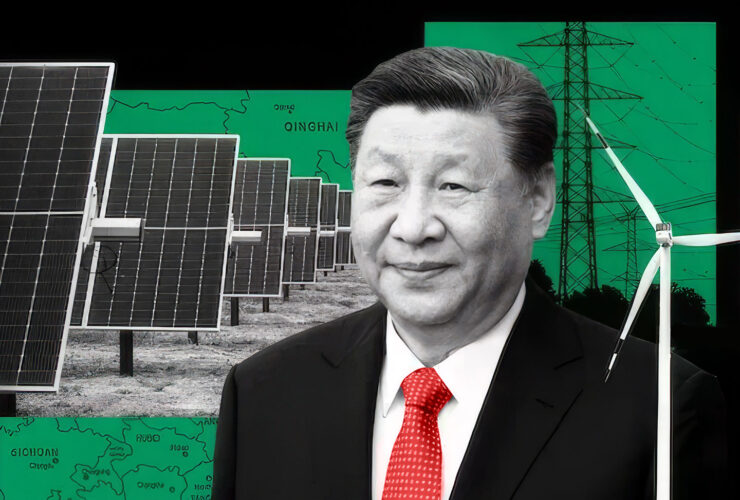
By Mehmet Enes Beşer For years, China’s climate politics could be summed up in a tidy formula: promise long-term ambition, protect short-term stability. “Carbon neutrality by 2060” became the headline. Coal, industrial jobs, and local government revenue stayed in the fine print. That formula is still there—but the balance inside it is shifting. Not because Beijing suddenly “discovered” climate risk ...

By Nuño Rodríguez, political scientist For decades, worldwide media has been announcing the apocalyptic danger of climate change. Most media sources disseminate the information produced by countless NGOs and foundations of dubious legitimacy and dubious funding. The media narrative presents itself as incontestable and unidirectional: co2 emissions from human industry are causing climate change. Estimates speak of an increase in ...