

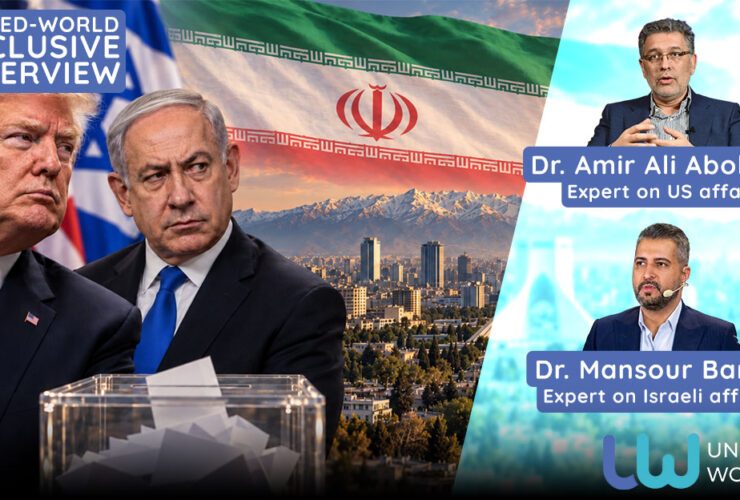
By Azar Mahdavan, from Tehran / Iran After months of uncertainty and political wrangling, the United States and Israel are approaching two pivotal elections that could directly affect the political futures of US President Donald Trump and Israeli Prime Minister Benjamin Netanyahu. Israel’s parliamentary election is scheduled for October 27, 2026, while the US midterm elections will take place on ...
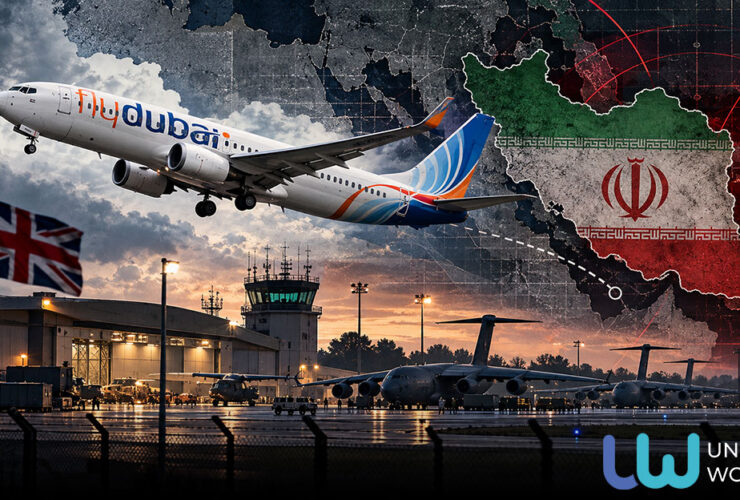
By Mohammad Reza Moradi, General Director of Mehr News Agency’s Foreign Languages and International News Department, from Tehran / Iran Following the failure of the United States and Israel to achieve their objectives through military attacks against Iran, efforts to intensify political and security pressure on Tehran have continued. Two security cases have recently become a basis for accusations against ...
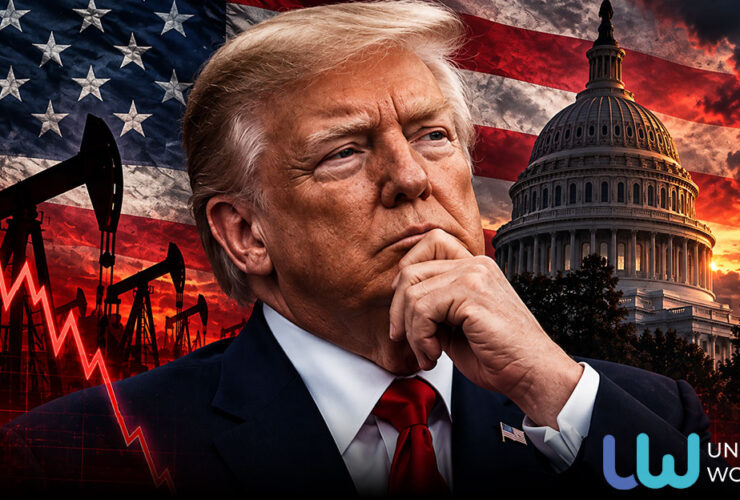
By Adem Kılıç, Political Scientist As I have written repeatedly in these columns, the eight months of the US-Iran war have clearly demonstrated that military superiority on paper alone is not sufficient to achieve the desired objectives. However, this reality, along with US President Donald Trump’s announcement that he would not launch new attacks against Iran before the November midterm ...

Some transnational disinformation agencies have been insistently reporting on US preparations for an escalation of the conflict in West Asia and a new war with Iran. Assuming this is true, the agencies differ as to whether it will occur during the last week of October (before the Israeli elections) or at the end of the month and the beginning of ...
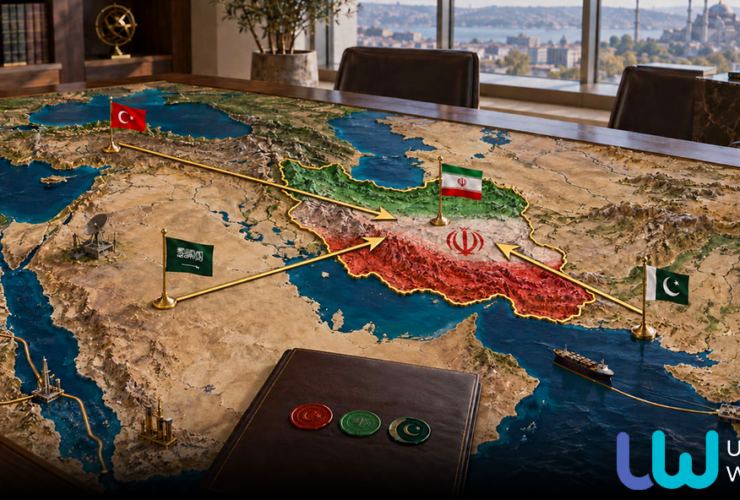
By Arman Ahmadi, International Affairs Researcher, from Tehran / Iran At first glance, the “Joint Defense Agreement” signed by Saudi Arabia, Türkiye and Pakistan in Mecca on August 7 might look like just another Middle Eastern security pact — three countries with powerful militaries, deep pockets, and long-standing ties to major powers coming together. But its significance can’t be measured ...
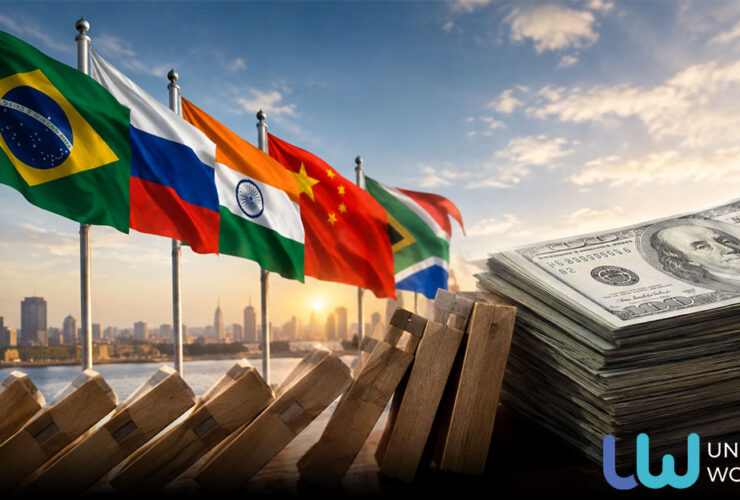
The 18th BRICS Summit held in New Delhi on September 12–13 has concluded. UWI author, historian, and political scientist Associate Professor Mehmet Perinçek was live guest on Türkiye’s Ulusal Kanal to assess the Summit. We are sharing Mehmet Perinçek’s answers to the questions on the broadcast with our readers. Hormuz and BRICS What came out of the BRICS Summit in ...
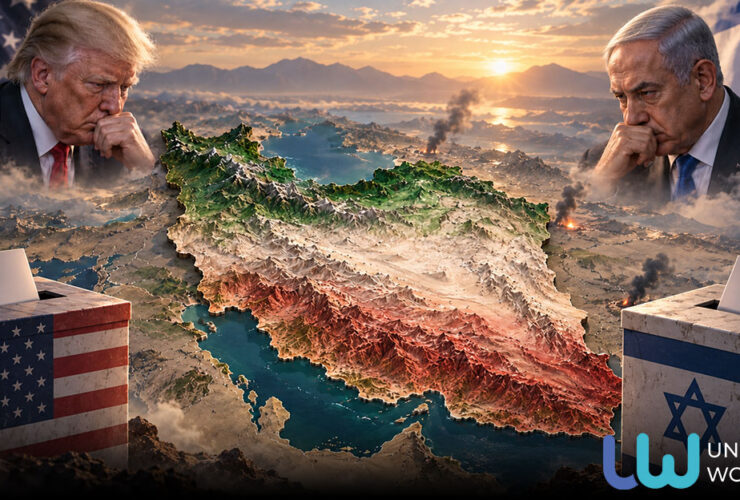
By Mohammad Reza Moradi, General Director of Mehr News Agency’s Foreign Languages and International News Department, from Tehran / Iran The war involving Iran has entered a sensitive phase as its military developments coincide with two important electoral calendars in Israel and the United States. From this perspective, the war is no longer merely a military confrontation or a foreign ...
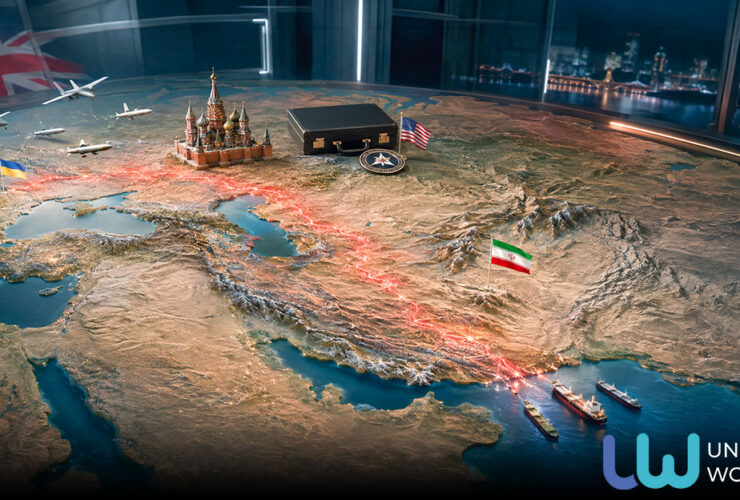
We have two important developments in the war in Ukraine. The first is CIA Director John Ratcliffe’s surprise visit to Moscow on August 26. The second is Britain’s role in the war, as witnessed by British Prime Minister Andy Burnham’s visit on August 24. CIA Director John Ratcliffe traveled to Moscow on an unannounced visit. It was also the first ...
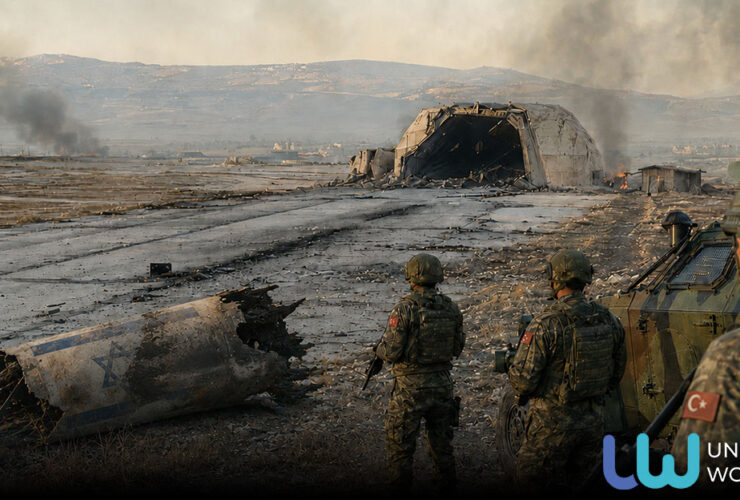
Israel bombed the Abu al-Duhur airbase in the Idlib countryside of northwestern Syria on August 18, just 70 kilometers from Türkiye, citing the presence of Turkish troops as justification. On August 19, telling an army radio podcast, Netanyahu said that Israel had initially sent a message “in general terms” against a Turkish military presence at an airfield near Aleppo. “Apparently ...
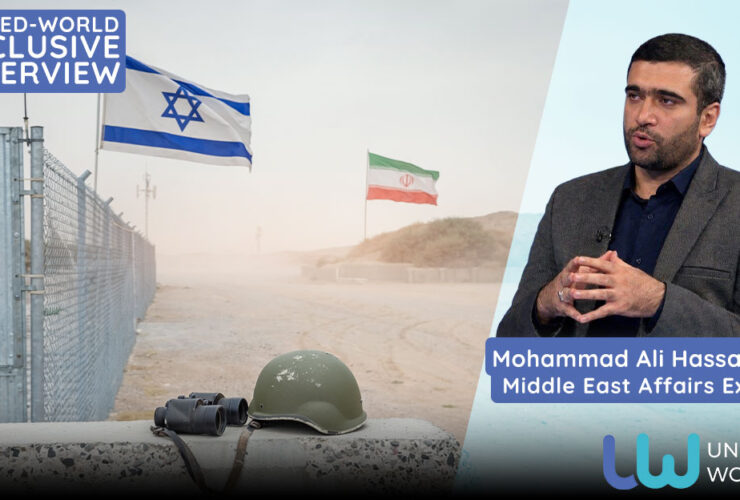
By Azar Mahdavan, from Tehran, Iran Following the full-scale confrontation between Iran and Israel, the relative silence from Tel Aviv toward Tehran has become one of the most significant ambiguities in regional equations. Even during the military clashes between Iran and the United States in July—which occurred in the wake of the “Forty-Day War”—the Israeli government chose not to directly ...