


By Mehmet Enes Beşer
Democracy in Thailand is characterized by a struggle between the country’s political elites’ desires to dominate the country’s political system and the will of the populace. The problem of democracy is rooted in the fact that power in Thailand lies with such authorities as the Thai monarchy, army, and powerful families, thus undermining real democratic procedures. Consequently, the will of the populace is suppressed in the interest of elites.
Historical Background: Military Coups and Constitutional Amendments
In 1932, when Thailand abandoned its absolute monarchy and switched to a constitutional form of governance, the country began experiencing frequent political upheavals, including military coups and amendments to its constitution. As a result, the military managed to establish a cycle in which governments lasted only a short period, while the army could alter the country’s governing documents and take part in politics when it deemed fit.
Role of the Monarchy
Thai monarchy enjoys respect in the country’s society, and any criticisms towards its representatives face harsh punishment according to the lèse-majesté regime, which is characterized by severe penalties. Thus, this regulation is used as an instrument to curb criticism of the ruling dynasty. Additionally, this legislation contributes to the inability to freely discuss the role of the monarchy in the political sphere of Thailand.
Military Intervention
As has been already noted, the role of the military does not limit itself to interventions during military coups. On the contrary, this institution maintains its influence through appointments in various agencies and legislative bodies, such as the senate, allowing it to preserve the status quo regardless of the results of elections. Moreover, the army also uses its own special autonomous institutions, thus making it possible to act with a certain level of independence.
Elite Family Influence
Another factor that hinders democracy in Thailand is the political power held by only some families. By using their wealth and connections, members of influential political families manage to preserve their dominant positions for many years, often suppressing other political forces that seek to compete with them.
Judicial and Legislative Actions
An important instrument used by Thai elites in order to protect themselves is the actions taken by the courts. For instance, some court rulings resulted in the dissolution of parties and disqualification of certain politicians. For example, the disbandment of the Move Forward Party (MFP), which called for the revision of the lèse-majesté law in 2024, was made due to treason charges.
Human Rights Violations
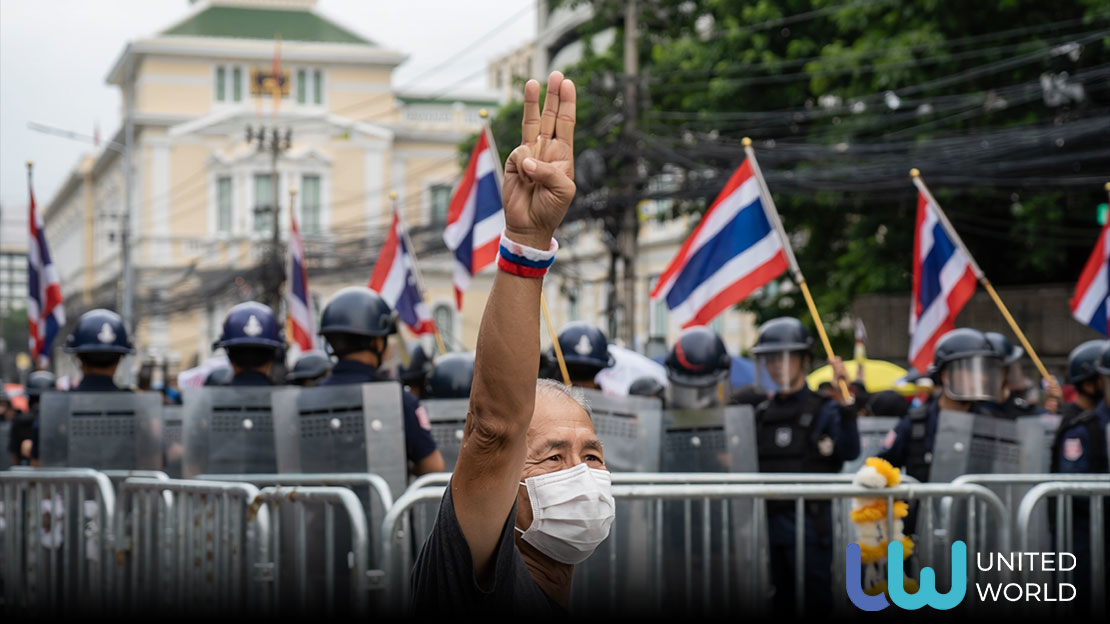
Restrictive laws and other measures result in human rights violations since protesters are arrested and subjected to violence or harassment. Such laws restrict freedoms of assembly and expression, thus preventing citizens from actively participating in the political life of the country.
However, recently, discontent regarding the situation with the political elites has been observed among the public. This discontent takes the form of grassroots movements, especially those initiated by youth. Although such movements are persecuted and even punished, this fact signals the development of democratic tendencies.
Conclusion
In summary, the problem of democracy in Thailand consists of the dominance of elites and their manipulations of the political and legal spheres for maintaining their dominance. The interconnectedness of the monarchy, army, and influential families poses a considerable obstacle to democracy in the country. In order to achieve democracy in Thailand, constitutional changes should occur; specifically, military intervention in politics needs to be prevented, restrictions such as lèse-majesté have to be revised to allow free speech, and pluralism should be encouraged to enable parties and politicians to participate in politics safely.
Additionally, steps should be taken to support civil society and protect the rights of citizens. Moreover, international players should be engaged in helping Thailand adopt democratic values and provide a platform for the voices of pro-democracy activists.