


At a meeting in Mexico, 260 delegates representing 101 political parties from around the world unanimously adopted a declaration opposing the Mecca Alliance. The declaration, initiated by Vatan Party representative at the meeting, Mehmet Perinçek, and jointly proposed by 11 parties, stated: “The Seminar calls on the Turkish Parliament not to become an instrument of American and Israeli plans, on ...
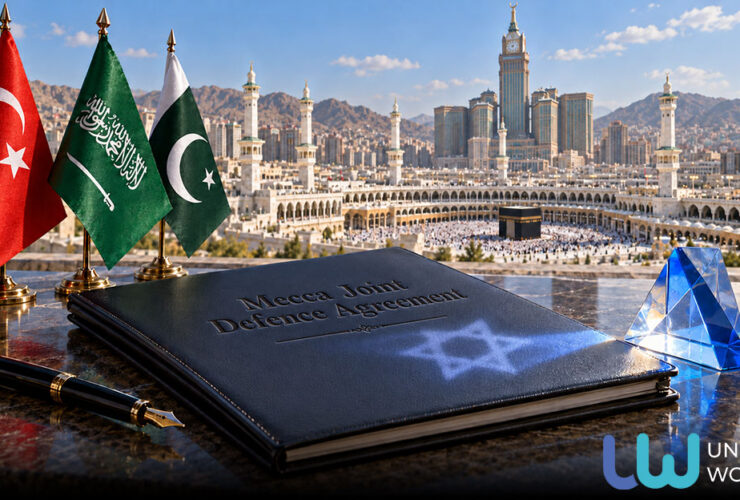
Vatan Party Chairman Dr Doğu Perinçek commented on the Makkah Agreement submitted to the Grand National Assembly of Türkiye (GNAT) during his appearance on Ulusal Kanal’s Çıkış Yolu program. Analyzing the 16-article agreement signed between Türkiye, Saudi Arabia and Pakistan, Perinçek stated that the document had been written in invisible ink in accordance with the interests of Israel and the ...

By Azar Mahdavan, from Tehran / Iran The recent advances and victories achieved by Yemen’s Ansarullah forces along the country’s western coast have come as a major and unexpected development for all sides and observers following the strategic shifts currently unfolding in the Middle East and the Persian Gulf. These developments could have far-reaching and direct consequences beyond the region. ...
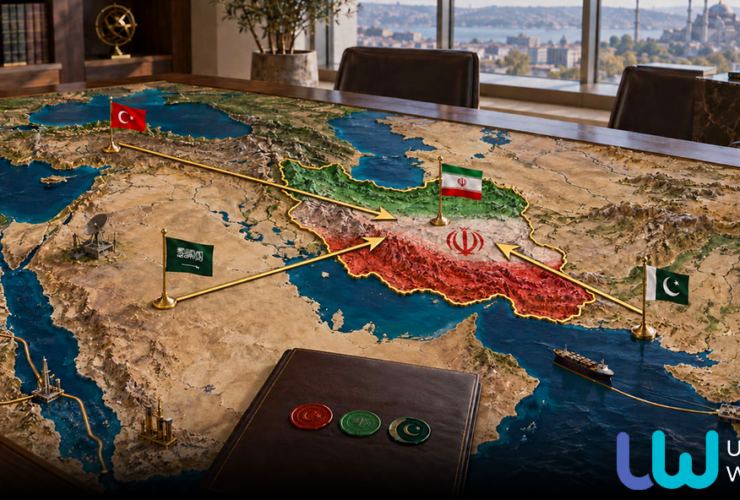
By Arman Ahmadi, International Affairs Researcher, from Tehran / Iran At first glance, the “Joint Defense Agreement” signed by Saudi Arabia, Türkiye and Pakistan in Mecca on August 7 might look like just another Middle Eastern security pact — three countries with powerful militaries, deep pockets, and long-standing ties to major powers coming together. But its significance can’t be measured ...
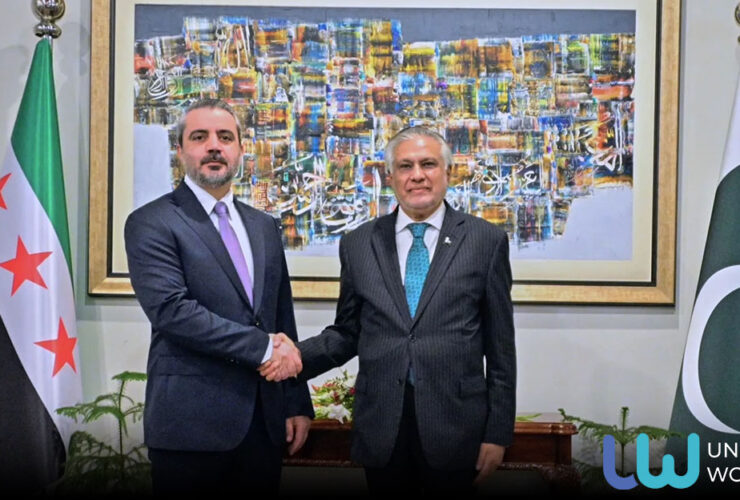
By Dure Akram When Syrian Foreign Minister Asaad Hassan al-Shaibani touched down in Pakistan on August 19, he did something far more consequential and penetrating than spelling an end to a 19-year gap in high-level diplomacy between Damascus and Islamabad. He publicly acknowledged that Syria was studying whether to join the Makkah Joint Defense Agreement linking Pakistan, Saudi Arabia, and ...
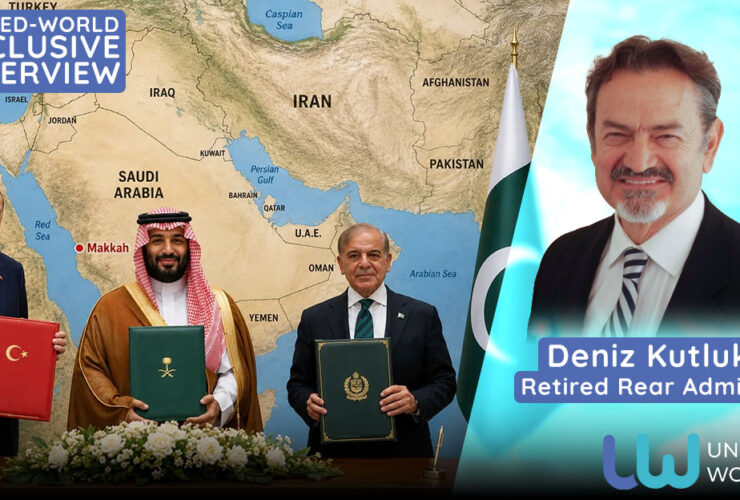
On August 7, Türkiye, Saudi Arabia, and Pakistan signed the “Mecca Mutual Defense Agreement.” The agreement came as a surprise. But that surprise is hardly surprising: there had been no sign that such a pact was in the works. At least not for those “outside the state apparatus.” The process that led to the agreement remains as obscure as the ...
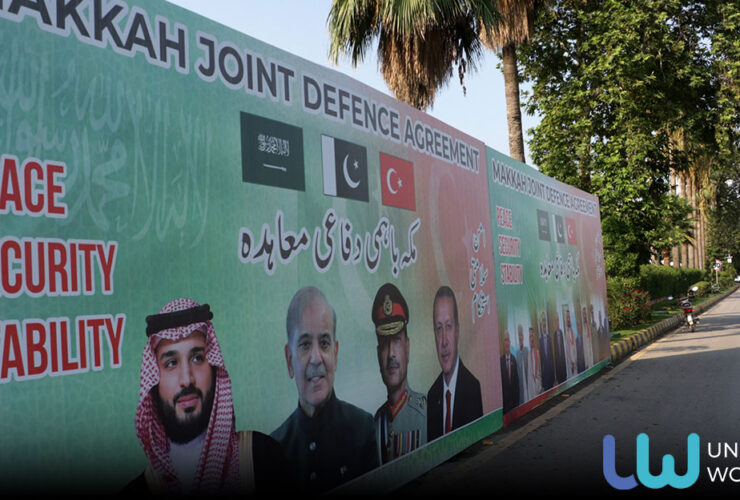
The recent Mecca Agreement between Türkiye, Saudi Arabia and Pakistan has been presented as the beginning of a new regional security architecture. Yet behind the language of cooperation and deterrence lies a fundamental ambiguity: the alliance does not clearly identify the threat against which its members are supposed to act. For Alptekin Dursunoğlu, editor-in-chief of the Near East News agency, ...

By Adem Kılıç, Political Scientist The developments of the past several years, which began with October 7 and continued with the US-Iran war, have reached a point where they can no longer be interpreted merely as a conflict dynamic. Indeed, although these conflicts have their own internal balances, they have, in general, triggered the beginning of a fundamental transformation. While ...
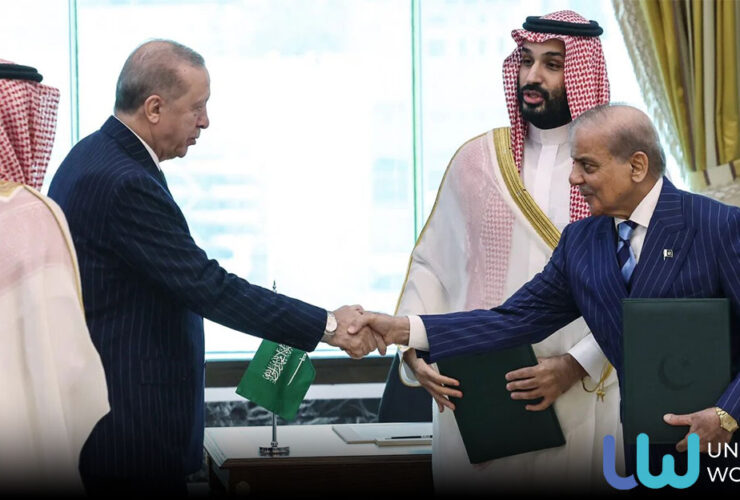
To answer the question posed in the title of this article, it is useful to outline certain contextual facts regarding the conjunctural background of the Mecca Agreement, signed between Türkiye, Pakistan, and Saudi Arabia, which is stated to be the result of approximately 2.5 years of preparation. To summarize: 1. The global weakening of American hegemony has two fundamental consequences ...
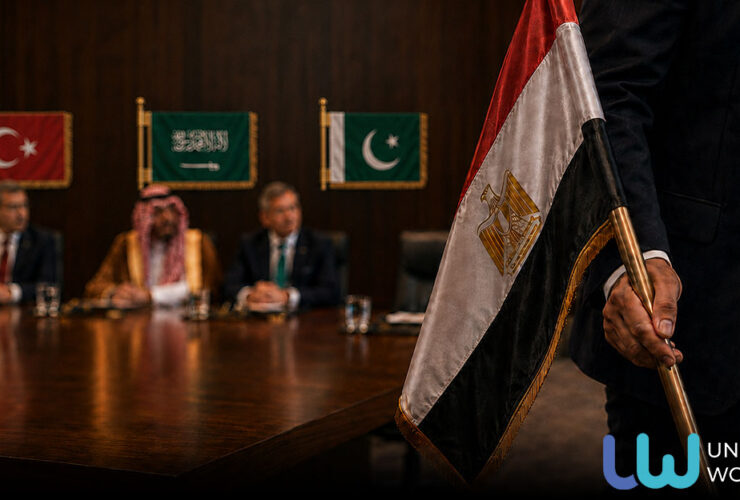
Egypt has not been absent from the regional coordination landscape, nor does it need to prove its presence by joining new military alliances or blocs. Cairo remains committed to coordination with its partners, foremost among them Saudi Arabia, Türkiye, and Pakistan, but on its own terms and in line with its national interests and established principles. At the heart of ...