

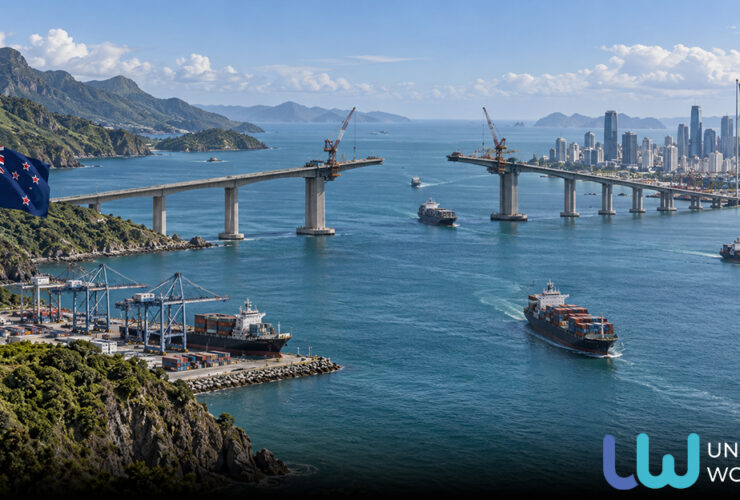
By Mehmet Enes Beşer New Zealand is no stranger to its aspirations for further engagement with Southeast Asia. Well-spoken speeches in Wellington, memoranda of foreign policy in ASEAN capitals, and more and more frequently, New Zealand finds itself ready to be a reliable Indo-Pacific partner with a steady interest in the future of Southeast Asia. Government policy at present: it ...

By Mehmet Enes Beşer The growing geopolitical tensions and fragmentation of the regional order pose serious challenges for Southeast Asia. The Indo-Pacific geopolitical dynamics – fueled by strategic rivalry between the United States and China, competing supply chains, and contradictory security alliances – make stability in East Asia more uncertain than it was since the end of the Cold War. ...
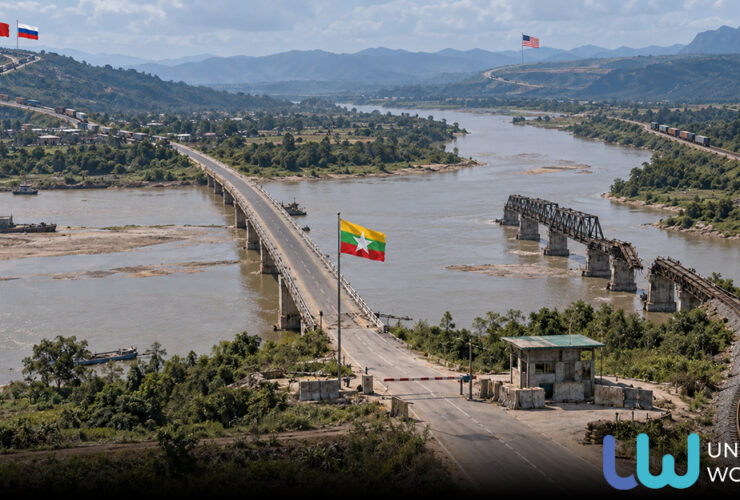
By Mehmet Enes Beşer There is little doubt that Myanmar’s turmoil has been going on long enough to reveal its most fundamental asymmetry – the one related to external influence on the course of events. The question is where the external levers of pressure and facilitation of stability could come from, i.e., which outside forces could affect ceasefire negotiations, territorial ...
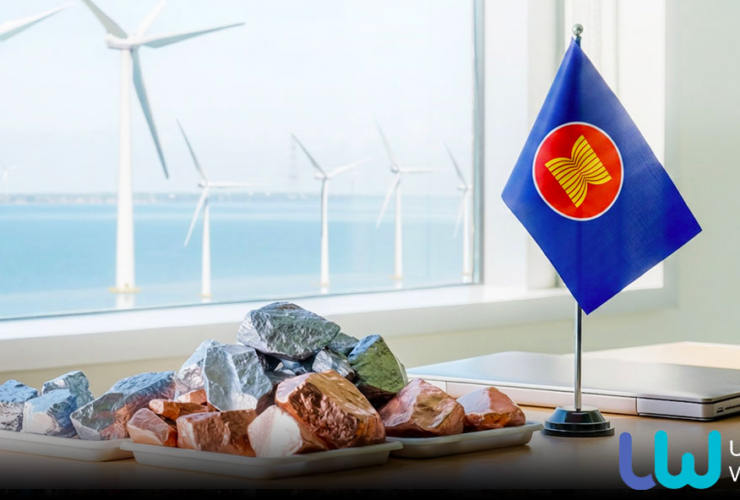
By Mehmet Enes Beşer The widespread adoption of clean energy technology in recent years has brought about considerable changes in electricity generation and in the extraction, processing, and trade of mineral resources. In ASEAN, an important supplier of minerals to global supply chains, the adoption of clean energy systems and devices like solar photovoltaic cells, wind power, electric vehicles, and ...
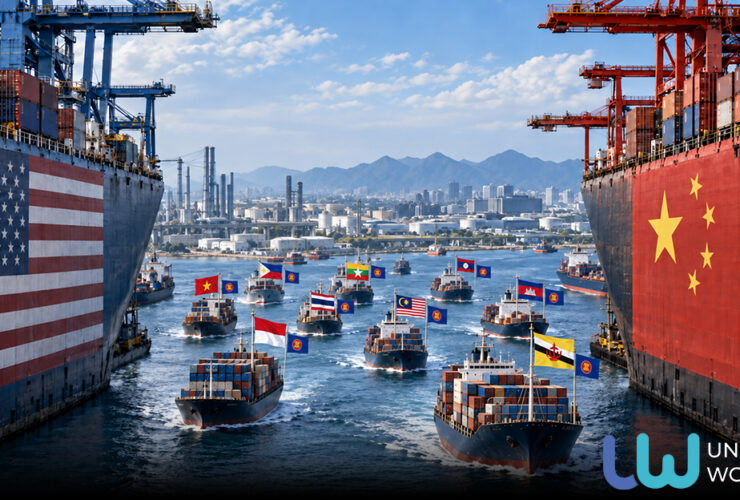
By Mehmet Enes Beşer The return of Trump-like tariffs on Chinese products is generating a storm that goes far beyond any conventional bilateral trade conflict. It is not really an economic showdown of the world’s two largest economies – but rather an ideological contest of influence, power play, and ambition for greatness. In spite of Washington’s and Beijing’s rising rivalries, ...
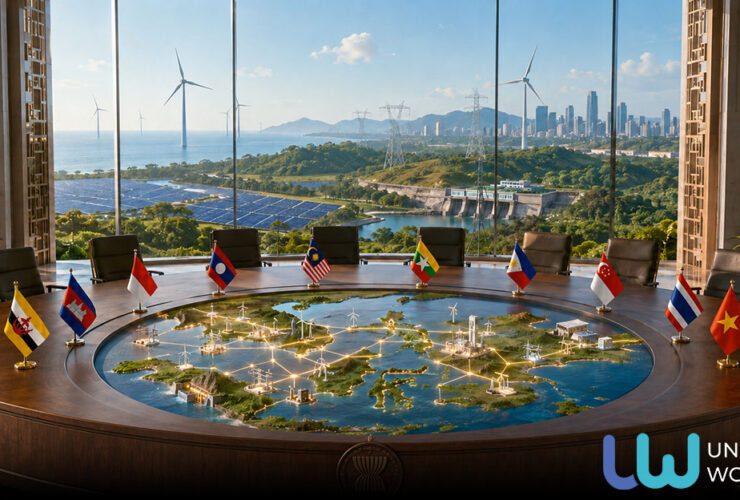
By Mehmet Enes Beşer The region of Southeast Asia witnesses the persistent expansion of energy consumption fueled by urbanization, industrialization, and demographic growth. In turn, this trend necessitates the shift of focus towards renewable energy sources due to increased greenhouse gas emissions and susceptibility to price fluctuations and energy supply issues related to the heavy dependence on fossil fuels such ...
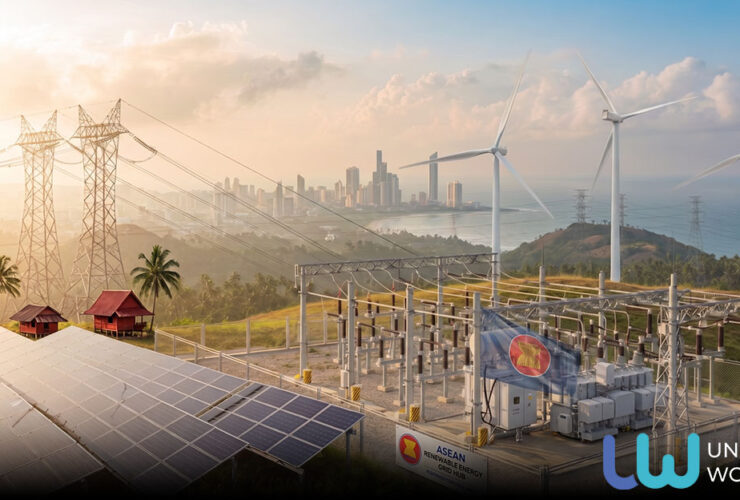
By Mehmet Enes Beşer The search for an integrated ASEAN electricity market reflects the quest for creating a regional power system that would satisfy increasing electricity demands, protect the region from exposure to fossil fuels, and speed up renewable energy deployment. As electricity demand in the ASEAN region is expected to grow by about 60 percent by 2040 due to ...
By Mehmet Enes Beşer As Southeast Asian countries attempt to adopt sustainable practices to meet energy demands and cut back on emissions, hydrogen energy presents itself as a potential game-changer. No longer seen as remote and impossible, hydrogen appears as a real alternative in the current discussion on energy and as a realistic multilateral reaction to global challenges associated with ...
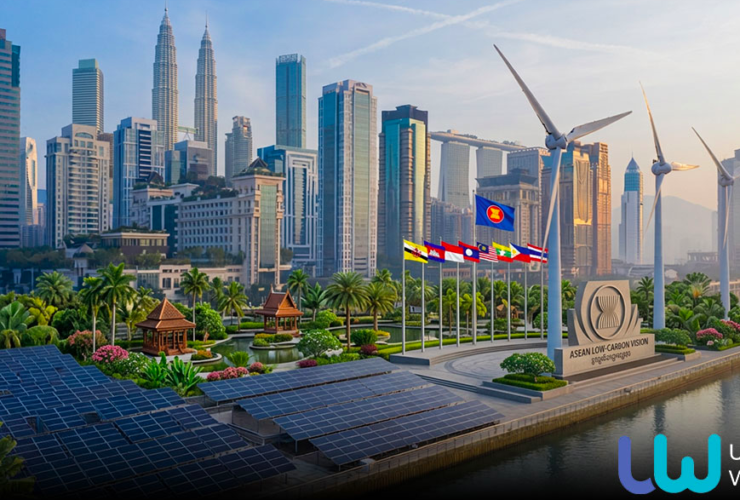
By Mehmet Enes Beşer While the drive towards carbon neutrality is gathering pace around the world, the ASEAN community stands at a unique intersection of development and climate stability. The traditional goal of achieving carbon neutrality has been considered the domain of industrialized and wealthy countries. However, today, more and more middle income and developing nations view it as an ...
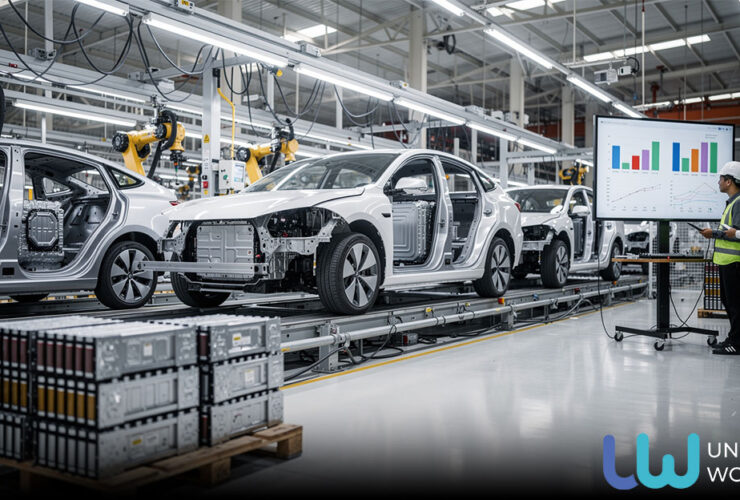
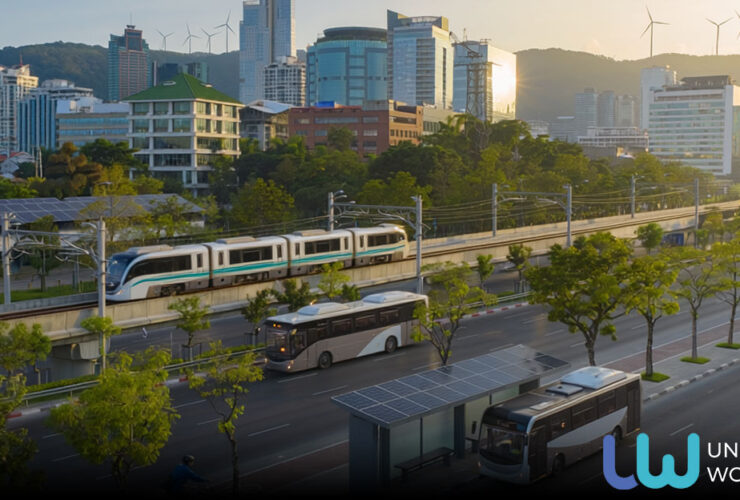
By Mehmet Enes Beşer Electric vehicles have been synonymous with eco-friendly modernity and are seen as integral to the future of sustainable transport. For ASEAN countries faced with air pollution issues, increased oil imports, and climate obligations, a shift towards electric propulsion represents an opportunity for sustainable development. Many of the ASEAN nations have adopted innovative measures in support of ...