


By Erkin Feyyaz Eşli The United States deployed F-35 fighter jets to India for the Tarang Shakti 2026 exercises, despite the aircraft also being slated for delivery to Türkiye. Notably, both India and Türkiye operate Russian-made S-400 air defense systems. This significant factor did not become an obstacle for the U.S. This case once again demonstrates Washington’s excessive bias towards ...
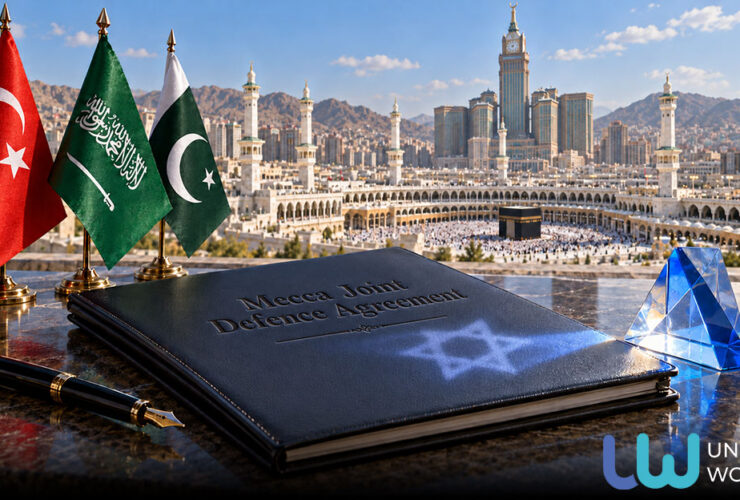
Vatan Party Chairman Dr Doğu Perinçek commented on the Makkah Agreement submitted to the Grand National Assembly of Türkiye (GNAT) during his appearance on Ulusal Kanal’s Çıkış Yolu program. Analyzing the 16-article agreement signed between Türkiye, Saudi Arabia and Pakistan, Perinçek stated that the document had been written in invisible ink in accordance with the interests of Israel and the ...
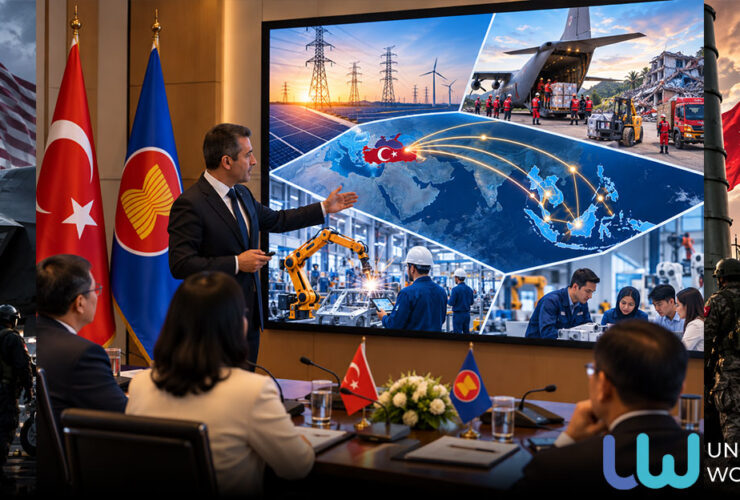
By Mehmet Enes Beşer On 21 July, ASEAN formally accorded Türkiye Dialogue Partner status and set the next test immediately: a new Plan of Action, with the modalities of Türkiye’s wider engagement still to be negotiated. The official communiqué credited Ankara’s commitment to “more comprehensive and substantive cooperation”. That wording is easy to misread. The current ASEAN–Türkiye Practical Cooperation Areas ...
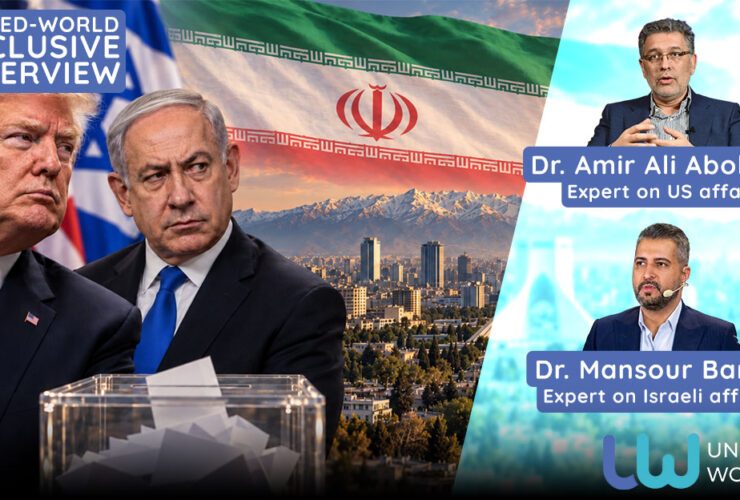
By Azar Mahdavan, from Tehran / Iran After months of uncertainty and political wrangling, the United States and Israel are approaching two pivotal elections that could directly affect the political futures of US President Donald Trump and Israeli Prime Minister Benjamin Netanyahu. Israel’s parliamentary election is scheduled for October 27, 2026, while the US midterm elections will take place on ...

The French people have crossed a threshold. Hundreds of thousands of people have taken to the streets across the country, particularly in Paris, to protest the neoliberal regime despite police violence. Violence bred violence. Crowds of workers and students surged toward the gates of the Élysée Palace. Protesters and police clashed throughout the night on the streets leading to the ...
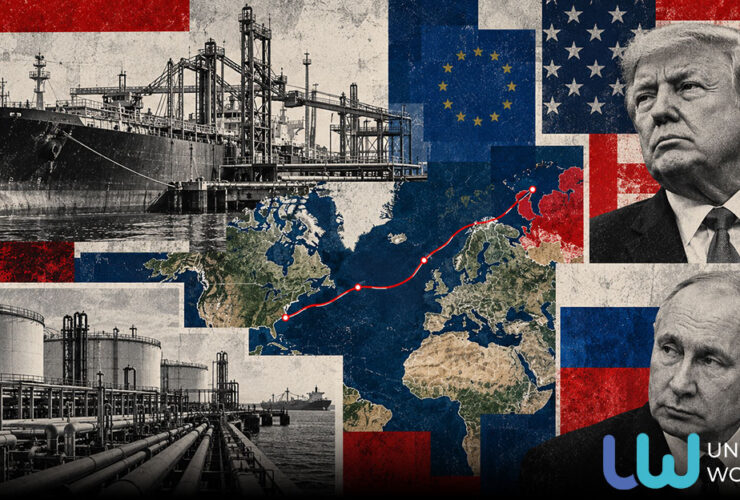
Ukraine’s recent attacks on Russia, targeting bridges, schools and civilians, have prompted a shift in Moscow’s response. As the Russia-Ukraine war increasingly extends beyond the front lines, both sides are targeting energy facilities, transportation networks and other critical infrastructure. Moscow’s latest strikes on Ukraine could also intensify political and economic pressure on the Kyiv government. Meanwhile, Germany, France and other ...
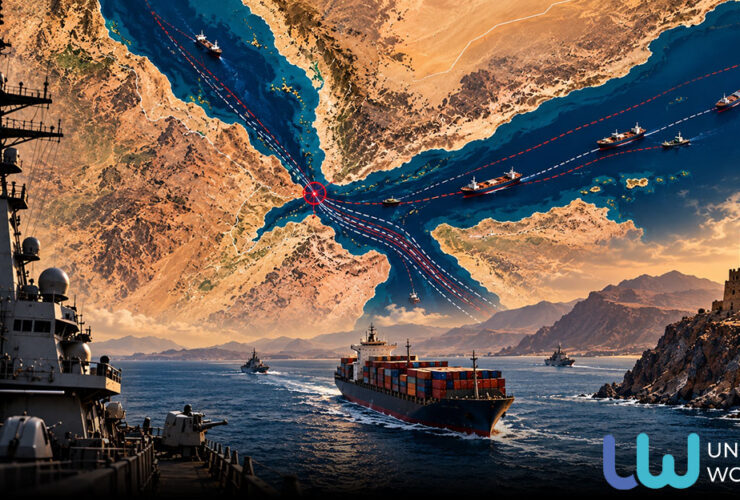
Is the confrontation around Bab al-Mandeb fundamentally a Yemeni civil war, a Saudi-Yemeni conflict, or a proxy war between Iran and Saudi Arabia? The answer is increasingly all three, but none alone explains the stakes. What began as a struggle over power and territory in Yemen has become a test of regional security, freedom of navigation and the emerging balance ...
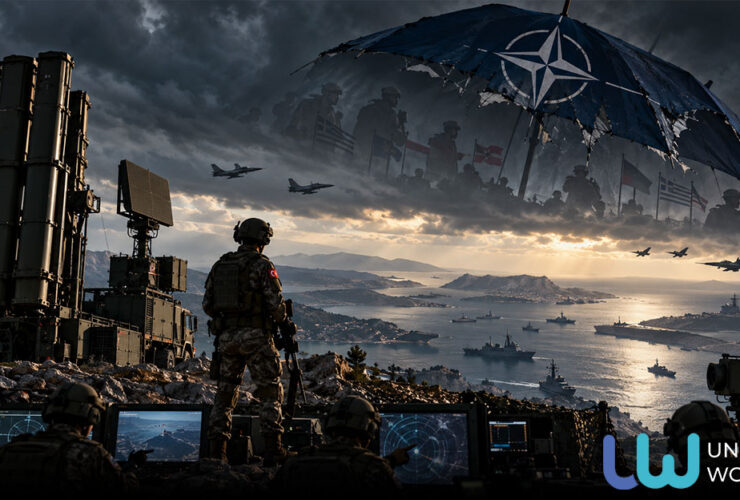
By Mehmet Enes Beşer For decades, NATO has provided Türkiye with a type of strategic insurance by offering it its membership. The reasoning behind it is simple: Türkiye is located in a dangerous neighborhood, which is why it requires the protection of the strongest possible alliance. From this point of view, joining NATO makes sense since there are several tangible ...
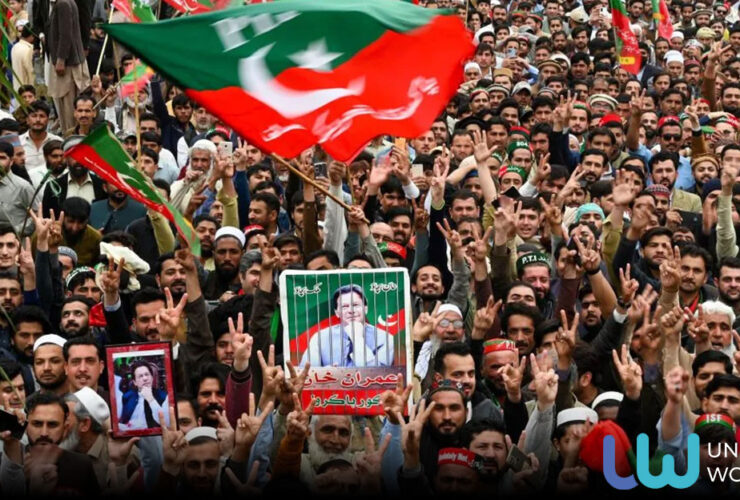
By Dure Akram In Pakistan, every new confrontation with Imran Khan is billed as the one that will finally settle the matter. Three years after his arrest, the former prime minister is still in prison, his supporters are still demanding his release, and the government is still looking for a way to contain a political movement that has proved remarkably ...

From Mexico City / Mexico Brazil is heading to the second round of presidential elections on October 25. The candidate of the conservative wing and son of former President, Flavio Bolsonaro finished the first round with a small margin of advantage against Lula da Silva, the sitting president and member of Brazil’s Workers’ Party. Monica Valente is not just a ...