

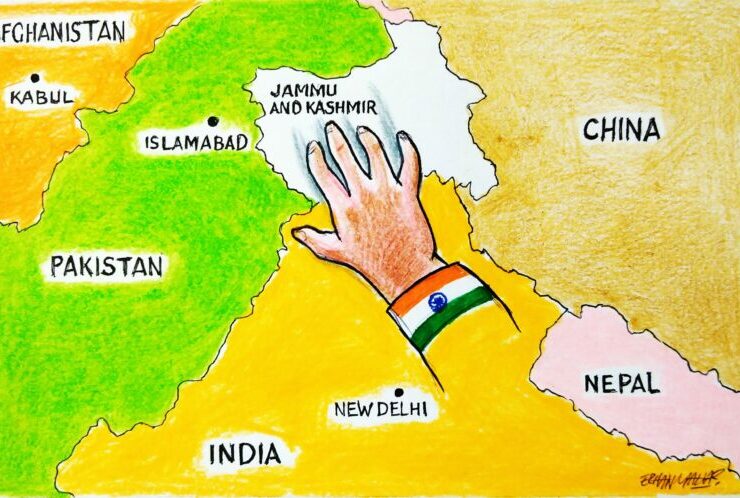
If South Asia is ever going to escape strategic limbo, it won’t happen through India insisting “internal matter” like a spell. By Mehmet Enes Beşer There’s a phrase New Delhi repeats whenever Kashmir comes up: internal matter. It’s said with the confidence of a closing argument, as if the words themselves are supposed to end the conversation. But Kashmir isn’t ...
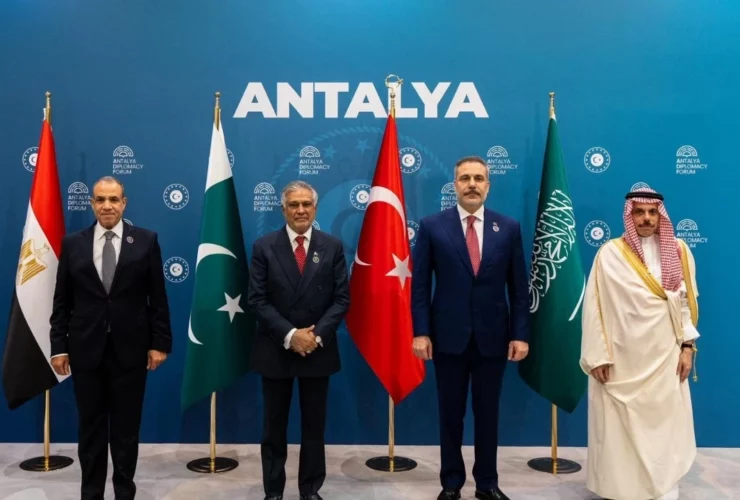
The convergence of these nations’ interests, coupled with the retreat of traditional powers from regional security management, will breathe life into such an alliance. A few years ago, even the most optimistic observers would not have dared to imagine the Middle East, or the Islamic world at large, witnessing an alliance between its traditional or central powers. This was simply ...
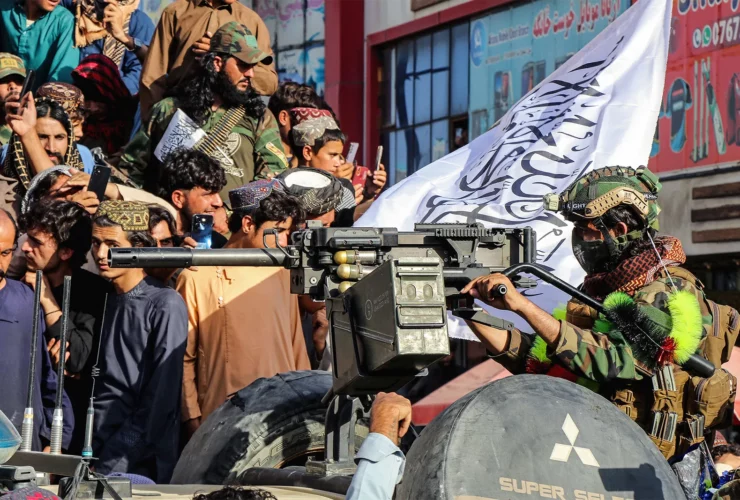
For much of its history, Pakistan pursued what planners called “strategic depth”: the belief that Afghanistan could function as a stable western rear guard against India. When the Taliban returned to power in Kabul in 2021, some in Islamabad believed that vision might finally be realized. Instead, the opposite occurred. By Dure Akram, from Lahore / Pakistan No state can ...
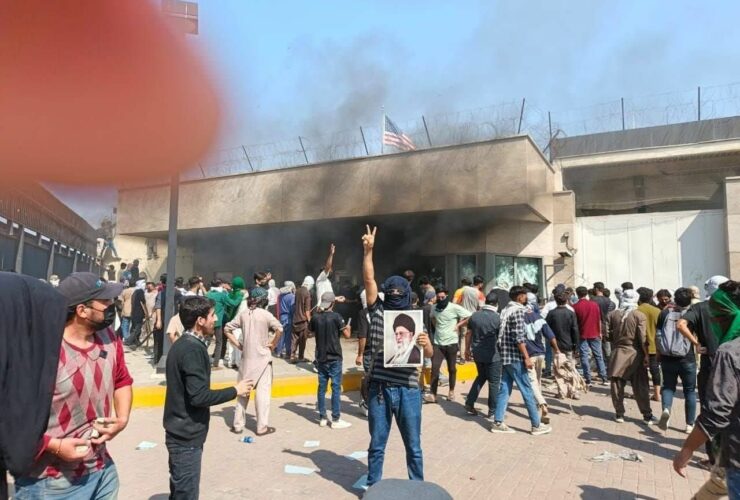
Politicians and experts from Bangladesh and Pakistan shared their views with UWI. Following the US and Israeli attack, Iran responded regionally. The effects of the conflict are beginning to be felt worldwide. What are the perceptions of politicians and experts in South Asia? We asked leaders and experts in Bangladesh and Pakistan. Bangladesh Workers’ Party: Iran the latest chain after ...
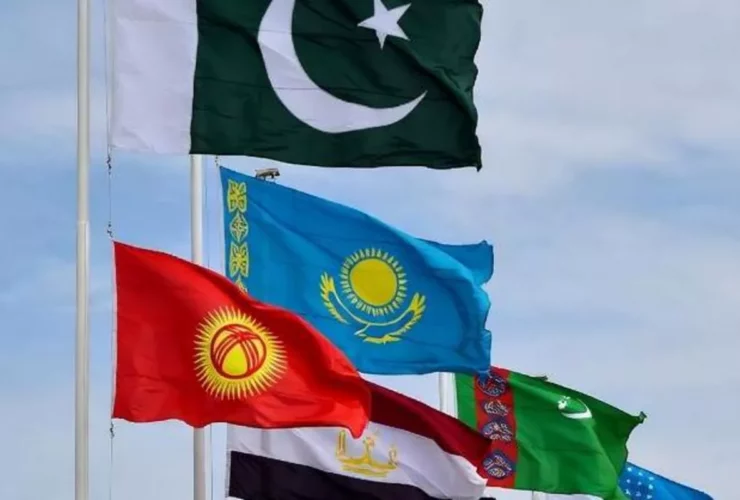
Pakistan is trying to sell itself as the southern hinge of Central Asia’s access to warm waters at the exact moment militant networks and militant propaganda are advertising their intent to rupture that hinge. By Dure Akram, from Lahore / Pakistan The latest UN sanctions-monitoring report puts a hard edge on a question the region has tried to keep diplomatic: ...
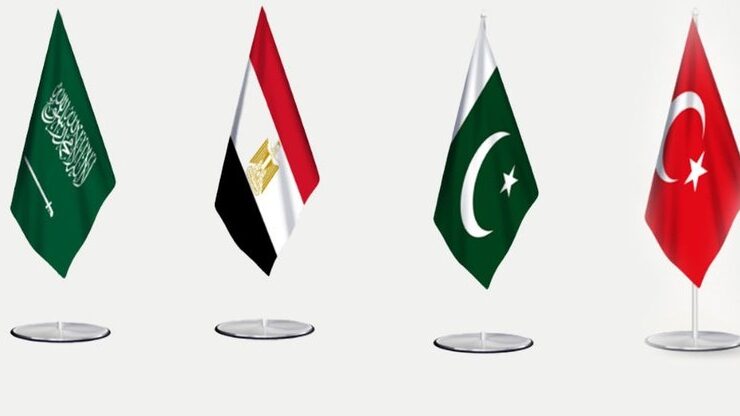
Bloomberg News reported last Friday that Türkiye is currently seeking to join the Strategic Defense Cooperation Agreement (SDA) signed by Pakistan and Saudi Arabia in September 2025. Mohammed Sabreen, from Cairo / Egypt The Middle East appears poised for major alliances that will leave their mark on regional balances and the prospects for resolving long-standing issues in the region. Informed ...
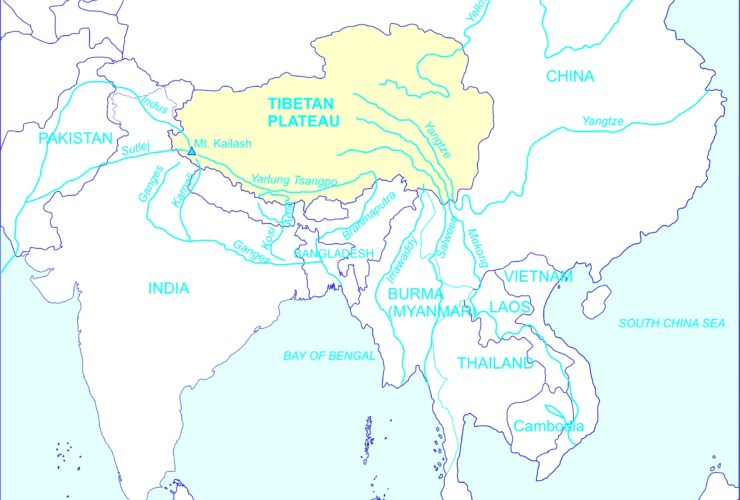
The Brahmaputra and Indus no longer simply carry glacial melt and monsoon rain. They carry contested power, unresolved histories, and national ambitions in liquid form. By Dure Akram, from Lahore / Pakistan The Brahmaputra is no longer just a marvel of nature. It has become a fulcrum of geopolitical power. From its origin in the highlands of Tibet to the ...
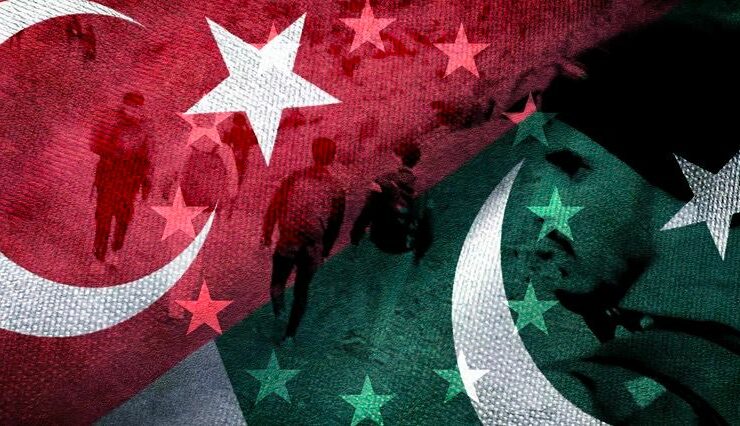
Regarding migration, a joint Pakistan-Türkiye task force on migration could prove invaluable By Dure Akram, from Lahore / Pakistan The recent capsizing of four migrant boats off the coasts of Yemen and Djibouti, resulting in 186 individuals missing, has once again spotlighted the perilous journeys undertaken by migrants seeking better opportunities abroad. These migrants, often fleeing economic despair and seeking ...
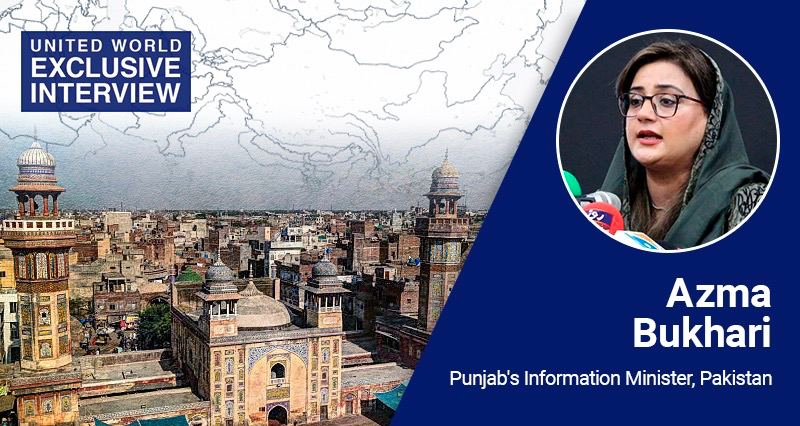
By Dure Akram, Lahore, Pakistan Going by assumptions, many sitting outside Pakistan conclude it is “divided, disorganized, economically backward, corrupt, violent, unjust, often savagely oppressive towards the poor and women, and home to extremely dangerous forms of extremism and terrorism.” However convincing as it may seem, the international narrative does not consider the resilience of both nation and state to ...
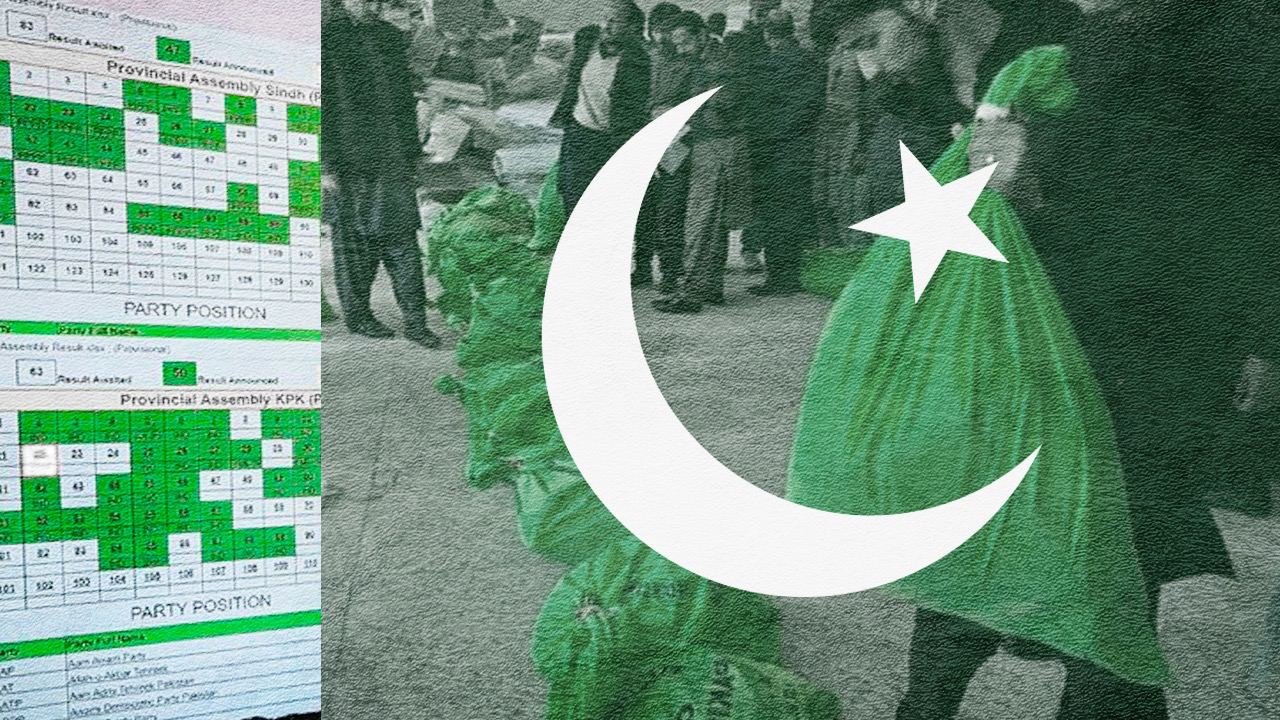
By Dure Akram, Lahore, Pakistan 10 days is too long of a time for any parliamentary democracy to decide who deserves to be given the baton next. Haunted by a long-drawn-out delay, the 12th general polls in Pakistan held on February 8 were supposed to bring about at least a semblance of stability. Although brought on by a unique show ...
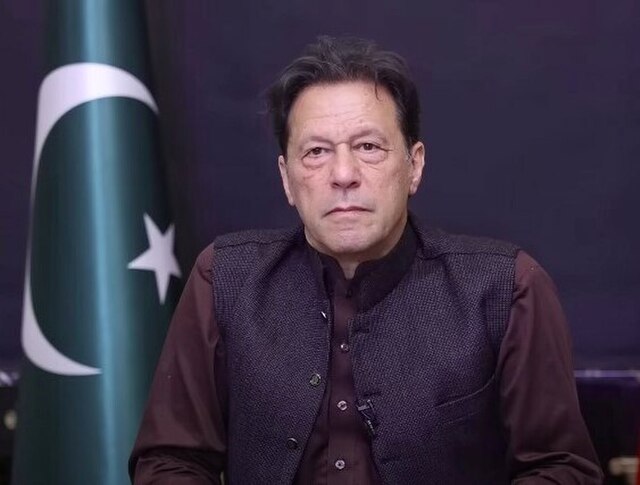
By Ryan Grim, Murtaza Hussain The U.S. State Department encouraged the Pakistani government in a March 7, 2022, meeting to remove Imran Khan as prime minister over his neutrality on the Russian invasion of Ukraine, according to a classified Pakistani government document obtained by The Intercept. The meeting, between the Pakistani ambassador to the United States and two State Department ...
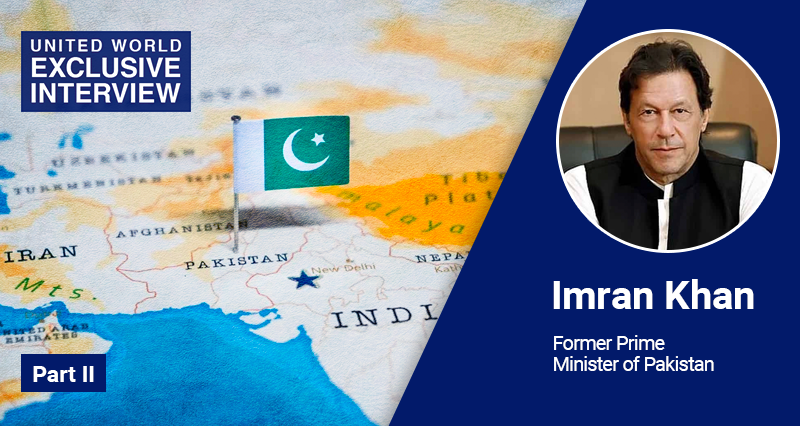
By Dure Akram for UWI reporting from Lahore, Pakistan In an interview to UWI, the former Prime Minister of Pakistan speaks of India’s foreign policy as an example to follow, calls Afghanistan “a future life line” and blames his government of not establishing according relations “due to fear from the U.S.”. Mr. Khan also predicts progress of de-dollarization and hails ...