


Between national pride and global inspiration on the one side and exposing geopolitical fault lines and reimposing tensions on the other, good management is clue.
Between national pride and global inspiration on the one side and exposing geopolitical fault lines and reimposing tensions on the other, good management is clue.
By Mehmet Enes Beşer
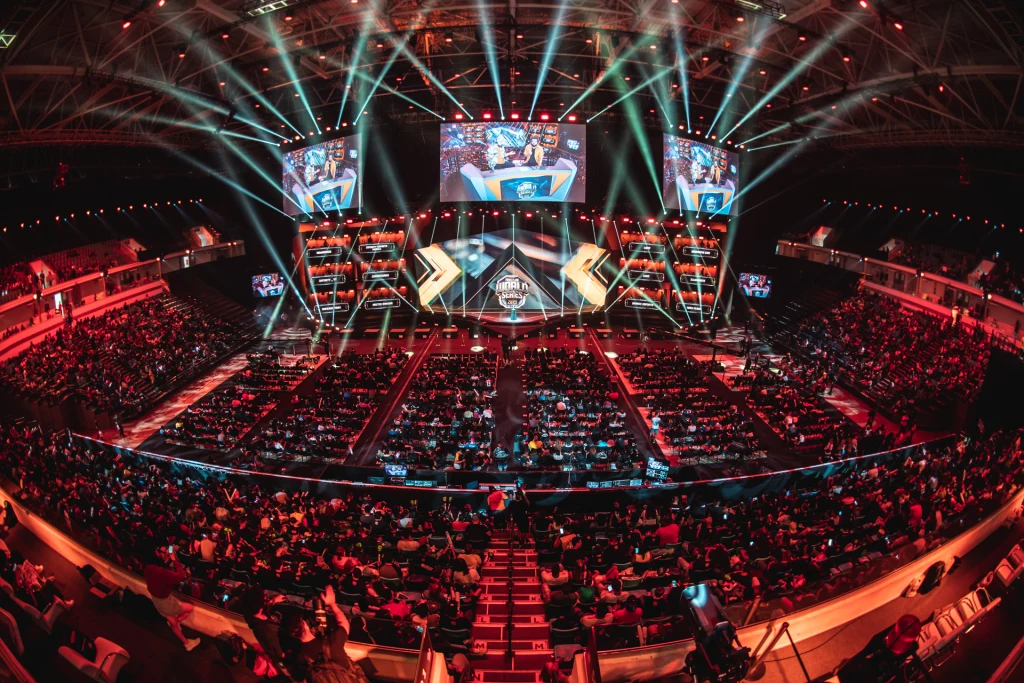
Electronic sport (esports) has reshaped global competition dynamics, youth culture, and national pride. None is more vividly shown than in Southeast Asia, with a young, digitally native generation embracing competitive gaming with enthusiasm. From Mobile Legends in Indonesia and the Philippines to Dota 2 and Valorant in Singapore and Malaysia, the region is not only a burgeoning esports market but also a growing player on the international stage. But as countries’ esports teams grow more prominent and compete in representation of the nation on the international stage, the intersection of digital competition and national identity is a double-edged sword.
Esports also has the potential to be an unusual but useful instrument of soft power. In a region where old resentments, boundary conflicts, and competing political ideologies normally complicate international relations, shared cultural spheres like gaming present a relatively harmless forum for engagement. In much the same way as football or badminton has long fostered regional pride and solidarity, esports can marshal national support, create youth identity, and declare a nation’s creative and technological strength. When Vietnamese team wins in an international competition’s tournament, or when Indonesian gamer achieves world iconic fame, these achievements spur not only national pride but put the country on the global cultural map.
Southeast Asian governments have begun taking notice. The Philippines has already incorporated esports into their national sports programs. Thailand, Malaysia, and Singapore have invested in esports federations, venues, and international tournaments. Esports has already been a part of the Southeast Asian Games, where each nation sends out national teams and competes in their own color—testament to its having achieved state-sanctioned status.
But nationalizing esports is also risky, especially in a geopolitically sensitive area such as Southeast Asia. The competitive excess that drives the market can, in an ill-placed context, turn into hyper-nationalistic rhetoric. Just as traditional sports occasionally generate political tension—recall football matches between Indonesia and Malaysia—esports has already witnessed toxic rivalries manifesting as online harassment, nationalistic trolling, and cyberbullying. When matches are not regarded as amiable competition but surrogate battles for national dominance, the sporting spirit could give way to cyber jingoism.
It is an even more dangerous game in a continent where internet chat rooms are much too frequently poorly moderated, and social media platforms amplify polarizing narratives. A dirty esports competition or one sullied by charges of trash talking or sportsmanship can rapidly become diplomatic scandal, as state media or political leaders ride public sentiment to further nationalist agendas. Even well-meaning online trash talking can be inflammatory, especially when powered by historic grievance or claims to territory.
Moreover, politicization and commercialization can strain regional cohesion. If countries begin inserting themselves more than they should into player signings, league regulations, or game content—in the name of national interest—regional esports collaboration can disintegrate. There can be disagreements over game censorship, sponsorships, or rulesets according to national law. In this way, Southeast Asia can lose individual economic and cultural benefits that an integrated esports ecosystem can offer.
With that in mind, the region can forge a model of cooperative esports diplomacy. ASEAN is already ensuring youth exchange and regional integration through education, culture, and sport. Esports can be an extension thereof. Joint leagues, talent-sharing arrangements, and multilateral tournaments prioritizing unity rather than competition can cement cross-border amity. And most importantly of all, a regional code of conduct for esports conduct—encouraging professionalism, respect, and anti-toxicity standards—can set the tone for wholesome competition.
Educational initiatives also matter. Encouraging critical digital literacy amongst players and spectators, diversity and inclusion in gaming communities, and investment in provision of mental health can be utilized to challenge the worst abuses of toxic nationalism. Platform providers, esports federations, and governments must cooperate so that tomorrow’s digital stadia are not a reflection of yesterday’s enmities.
Conclusion
Southeast Asian esports is not just a new business and cultural wave but a new regional frontier of identity-making and soft power projection as well. National teams, if well-managed, can be sources of national pride, global inspiration, and recognition. But if not managed well, esports tournaments can also show the fault lines of geopolitics and reimpose undeserved tensions.
Southeast Asia’s future in esports is on a delicate balance—of regional solidarity and national pride, of competition and cooperation, and of sober and online zeal. In ASEAN, this sort of unified yet complicated nation can be a unifying force to be reckoned with—or the next battleground. And that choice, as ever, lies in its handling.