


Negotiations, Ceasefire, and the Path Forward
Negotiations, Ceasefire, and the Path Forward
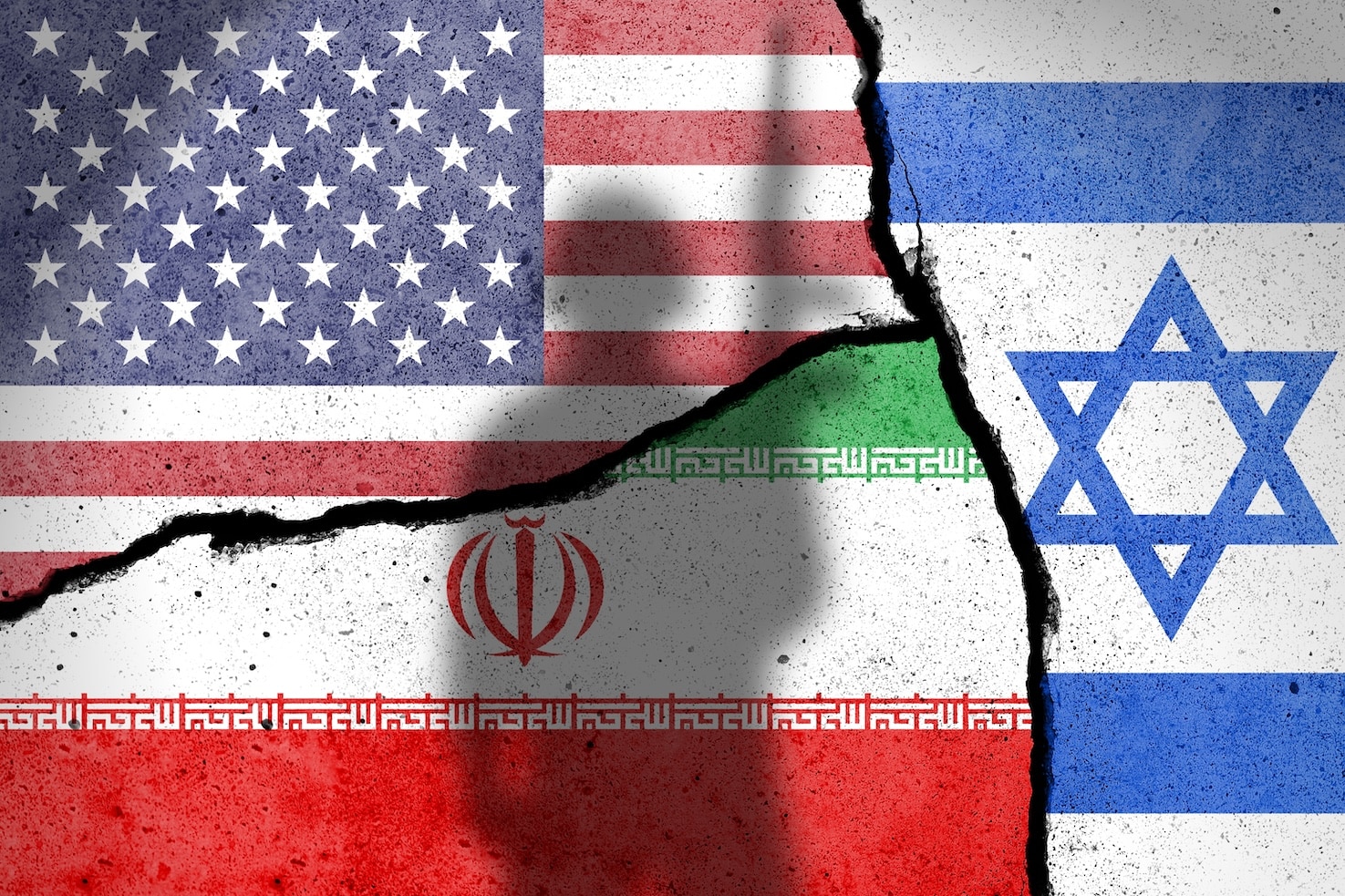
As the joint war waged by the United States and Israel—two nuclear-armed states, one of which possesses the most powerful military in the world—approaches its first month, developments on the ground indicate that none of the assumptions held by Washington and Tel Aviv at the outset of the conflict have materialized.
The aggressor forces initiated this campaign against Iran without any legitimate basis under international law or justifiable cause. Despite prior warnings issued by Iran at the highest levels regarding the regional consequences of such a war, the interests of U.S. allies were disregarded, and their vital concerns were effectively sacrificed to Israel’s expansionist ambitions. The developments of the past month have demonstrated that American military bases in the smaller states surrounding the Persian Gulf have played no meaningful role in ensuring the security of these countries. On the contrary, they have functioned primarily as a source of heightened risk. Moreover, the principal purpose behind the establishment of these bases—whose substantial financial burden is borne by the Gulf states themselves—appears to have been the provision of operational and intelligence capabilities for Israel.
Furthermore, as was also observed during the so-called “12-Day War,” this conflict was initiated through deception and the exploitation of ongoing negotiations. At a time when the international community remained optimistic about the prospects of diplomatic progress, and as was later acknowledged by certain foreign officials, Iran had shown willingness to exercise a degree of flexibility. Nevertheless, the United States resorted to military action through deliberate deceit. In parallel with these unlawful practices, the United States and Israel, by violating all established political and legal norms, have presented a stark example of the use of state terrorism. A significant number of Iran’s political leaders have been targeted and assassinated. This wave of assassinations has not been confined to political figures; a considerable number of civilians have also been killed. Among the most harrowing instances was the killing of innocent children at a primary school in the southern Iranian city of Minab.
The Initial Assumptions of the United States and Israel at the Outset of the War
Although the United States and Israel sought to launch the war in a wholly unexpected manner, coupled with severe strikes against the governing structure of Iran, an examination of developments over the past month reveals a different reality. Drawing on the experience of the “12-Day War,” the Islamic Republic of Iran appears to have been fully prepared to confront such a conflict. It was precisely this preparedness that disrupted and ultimately undermined the core assumptions of the aggressors.
The principal assumptions underlying the strategy of the United States and Israel in this war were as follows:
1. The collapse of the political structure through the elimination of the religious leader:
Ayatollah Ali Khamenei, as a central figure within the structure of the Islamic Republic, played a decisive role over three decades of leadership in managing and resolving crises. In numerous political crises—both domestic and international—his forceful intervention altered the course of events. Owing to his exceptional capacity for organization, particularly evident during the 12-Day War, he played a key role in the reconfiguration of the country’s military and political structures. On this basis, the United States and Israel identified him as their primary target at the outset of the conflict. Although his assassination constituted a severe blow to Iran, subsequent developments demonstrated that, contrary to the expectations of Washington and Tel Aviv, the Islamic Republic was not dependent on a single individual. Rather, Ayatollah Khamenei had institutionalized a robust system capable of sustaining continuity beyond his person.
Within only a few hours of his assassination, the country’s military forces—despite having lost several of their top commanders—initiated a full-scale response. One day later, a leadership council was formed to assume the management of high-level state affairs. Within a matter of days, and despite sustained bombardments by Israel and the United States aimed at preventing the convening of the Assembly of Experts—the body constitutionally responsible for selecting the leader—a successor was duly appointed. At no point was there any disruption in the critical functions of the governing system, and the political order continued to operate without descending into structural crisis.
This outcome constituted the first major miscalculation of the opposing side. From their perspective, the removal of the political leadership would create the conditions for systemic chaos and potentially prompt various political actors to act in ways aligned with the objectives of the aggressors. However, none of these expectations materialized.
2. Internal Uprising Against the State:
The United States and Israel, proceeding from the assumption that a decade of severe sanctions had produced a deep economic crisis in Iran—followed by a corresponding social crisis—believed that Iranian society was predisposed to unrest and rebellion against the governing system. Given that this assumption had already failed during the 12-Day War, they sought, this time, to operationalize it through direct field involvement by Mossad. In the first week of January, they organized what amounted to a street-based coup attempt in Tehran and other major cities, resulting in the deaths of thousands of individuals, a significant proportion of whom were members of the security forces and police.
The objective of these disturbances and the attempted street coup was, in essence, to activate existing social fault lines within the country and to erode the political and social legitimacy of the governing system, thereby paving the way for widespread unrest concurrent with the military aggression against Iran. However, in this domain as well, the United States and Israel encountered an unexpected failure. Now, nearly one month into the war, Iranian society has demonstrated a markedly different pattern of behavior. For approximately thirty consecutive nights, large numbers of citizens have gathered in the main squares of major cities, chanting anti-American and anti-Israeli slogans until morning.
Over the course of this month, the Iranian public has exhibited a level of national cohesion and solidarity that, in its scale, has been unprecedented since the days of the Islamic Revolution of 1979. Mass funeral processions in Tehran—attended by millions—and gatherings of hundreds of thousands in other cities, alongside the formation of grassroots volunteer aid groups and nightly demonstrations, are among the notable developments in this regard.
In this context as well, the assassination of Ayatollah Khamenei produced an outcome contrary to U.S. expectations. From the perspective of Washington and Tel Aviv, his death was expected not only to generate a systemic crisis within the state but also to incite opposition groups within society to rebellion. Instead, the martyrdom of the religious leader contributed to a significant increase in social cohesion across the country.
3. Activation of Separatist Groups:
According to prior preparations—largely facilitated through Mossad’s field operations—it was anticipated that, alongside the creation of internal unrest, separatist groups would initiate terrorist operations along Iran’s western and eastern borders. In this regard, only a few days prior to the commencement of the U.S.-Israeli military offensive, Baluch militant groups formed an operational alliance and declared that they would henceforth coordinate their actions against Iran.
In a parallel development, Kurdish separatist and militant groups also established operational coalitions, and a considerable number of fighters affiliated with the PKK were redeployed from northern Syria and the northwestern borders of Iraq toward areas adjacent to Iran’s frontiers.
However, this scenario likewise failed to materialize as planned. Iranian military forces delivered decisive preemptive strikes at the points of emerging threat, effectively neutralizing the operational capacities of these groups. Moreover, given both the demonstrated resolve of Iran’s armed forces and the failure of the two preceding assumptions, separatist groups ultimately refrained from undertaking significant actions. This occurred despite Israeli efforts to create favorable conditions for such operations through attacks on military and police installations in western regions of the country.
The Latest Situation on the Ground
As the war approaches its one-month mark, it can be argued that Iran has, in an unexpected manner, gained the upper hand on the battlefield. The current situation may be summarized as follows:
- Iran, by asserting control over the Strait of Hormuz, has effectively held the economies of the United States and Europe hostage. The sharp increase in global oil prices has exacerbated inflationary conditions across the United States, Europe, and Asia, while global energy security has been significantly undermined. This development has placed Donald Trump in a state of acute political pressure, as evidenced by his increasingly contradictory and inconsistent statements during the fourth week of the war.
- Iran continues to demonstrate a remarkably high level of popular resilience. Public support has reached an unexpected scale, such that, upon any call by the state, millions of Iranians have volunteered to cooperate in military, security, and service-related capacities. This condition, in stark contrast to Israeli society and American public opinion—both of which have been deeply affected by the war—has placed Iran in a position of considerable strength, enabling it to sustain the conflict for months if necessary.
- Despite repeated strikes by the opposing side on missile facilities, Iran has continued its offensive missile operations without interruption. There are no visible signs of ammunition shortages or military inefficiency. In parallel, Iran has inflicted significant damage on advanced Israeli and American drones, reportedly downing more than one hundred units, and has also struck F-35 and other U.S.-made fighter jets. These developments collectively indicate Iran’s operational superiority in this المجال.
- In contrast to Iran’s sustained offensive capabilities—maintained despite the assassination of key commanders—the defensive capacity of the opposing side has been significantly degraded. As a result of successive Iranian strikes, the integrated radar systems of the United States and Israel in the Middle East, developed over two decades at a cost of billions of dollars, were reportedly neutralized within two weeks. The Israeli Iron Dome system has likewise demonstrated substantial ineffectiveness. Beyond the military implications, this reality has imposed staggering economic costs on both the United States and Israel.
- The United States and Israel appear to have reconsidered their strategy of targeting infrastructure. Iran has demonstrated that it will respond without restraint to any attacks on its infrastructure by striking the infrastructure of Israel and U.S.-aligned states. While Iran’s own infrastructure has, over the past four years, been prepared with the expectation of sustained conflict, the infrastructure of Israel and its regional partners lacks comparable resilience against Iranian retaliation.
- Iran has not yet fully revealed its military capabilities. Strategic assets such as Ansarallah have not been brought decisively into the equation. Iran has also not yet made effective use of its unmanned naval vessels capable of targeting large ships and maritime installations. Likewise, options such as mining the Strait of Hormuz or closing the Bab al-Mandab Strait have not been implemented. Iran maintains that it has yet to unveil its most advanced missile technologies, reserving them for more critical stages of the war. Each of these factors possesses the potential to profoundly disrupt the global economic order and alter the trajectory of the conflict.
- While international attention remains focused on the Iranian front, Hezbollah has effectively immobilized Israel in Lebanon. On certain days, more than twenty Israeli Merkava tanks have reportedly been destroyed by Hezbollah forces. Several Israeli soldiers have been killed, and Hezbollah has demonstrated a level of organized capability that exceeded even the expectations of the most optimistic analysts.
- Russia and China have refrained from supporting any resolutions against Iran. Iran has required certain vessels transiting the Strait of Hormuz to conduct payments in Chinese yuan, thereby seeking to shield China’s economy from adverse effects. Russia has likewise extended notable support, placing the Eurasian bloc in a relatively favorable position vis-à-vis the Euro-Atlantic front.
- Europe and NATO have declined to join the war. The high costs of the conflict, Iran’s demonstrated resolve in retaliation, and the unpredictable scope of its capabilities have driven Europe toward distancing itself from the United States. As a result, divisions have emerged within the Euro-Atlantic camp, a development that may carry significant long-term strategic consequences.
- U.S. stock market indices have experienced sharp declines. Washington has reportedly restricted Gulf states from selling U.S. Treasury bonds, prompting these countries to liquidate gold reserves to address budgetary shortfalls—one of the factors behind the unusual drop in gold prices. This situation has inflicted considerable damage on U.S. financial credibility and exposed structural vulnerabilities within its debt-driven economy.
- The United States has, in effect, been forced out of Iraq (with the exception of the Kurdistan Region), while its remaining bases have come under sustained and increasingly humiliating attacks by Iraqi forces.
Given this overall situation, it appears that the United States is preparing to implement new strategies aimed at delivering decisive blows to Iran, the most significant of which may involve operations in the Persian Gulf.
Assessing the Enemy’s Scenario in the Persian Gulf
Field evidence indicates that the United States is preparing a new phase of escalation in the war: on the one hand through the deployment of additional forces and equipment, and on the other through the use of deception tactics and time-buying measures. The enemy’s principal strategy is not one of long-term attrition, but rather the execution of rapid and decisive operations aimed at securing a “tangible victory.” Within this framework, the focus has shifted to southern Iran and the Persian Gulf, and scenarios such as the seizure of islands or limited ground actions are being actively considered.
The key objectives of this scenario are as follows: reopening the Strait of Hormuz, intensifying the economic blockade by disrupting oil terminals, and reducing or halting Iran’s missile and drone attacks against regional targets. The realization of these objectives could provide the United States with both a symbolic achievement and a means of affecting domestic morale inside Iran. In this context, the support of certain Arab states—particularly the United Arab Emirates and Saudi Arabia—figures prominently in the enemy’s calculations, while islands such as Khark, Lavan, and the island groups surrounding the Strait of Hormuz have emerged as focal points of attention.
At the same time, a realistic assessment suggests that even if the enemy were to achieve tactical success, the attainment of its strategic objectives would remain highly uncertain. Any large-scale confrontation in the south would almost certainly lead to heightened insecurity in the Strait of Hormuz and could even expand the crisis to Bab al-Mandab. Moreover, any potential reduction in direct Iranian pressure could be offset through aligned regional actors. On another level, any move by the enemy toward ground-based scenarios would increase the likelihood of human losses among American forces and could reverse the very logic of a “rapid victory.”
At the strategic level, the American approach—particularly during the Donald Trump period—has been based on risk-taking and testing the reaction of the opposing side; this is a pattern that is highly vulnerable to failure when confronted by firm resistance and an effective response. By contrast, Iran’s operational pattern has thus far rested on absorbing the initial blow, reorganizing, and then delivering a gradual yet complex response. This approach has, despite the enemy’s tactical successes, prevented it from translating those gains into strategic results.
Ultimately, contrary to some interpretations, any operation targeting the islands or the coastline would not necessarily bring the war to an end. Rather, its outcome would depend on the actual balance of power on the battlefield and on the subsequent course of developments.
Negotiations, Ceasefire, and the Path Forward
As the economic crisis in the United States and the global economy intensifies, Washington’s inability to compel Iran to reopen the Strait of Hormuz—combined with the high risks associated with any ground operation—has led Donald Trump in recent days to raise the prospect of negotiations with Tehran. A substantial portion of these statements, however, should be understood as part of an effort to stabilize financial markets and buy time for the formulation of a revised strategy against Iran.
Irrespective of how the battlefield evolves, the positions articulated by Iranian officials can be interpreted within the framework of a significant shift in Tehran’s conception of “negotiation with the United States”: a transition from negotiation as a mechanism of conflict resolution to negotiation as an instrument for managing the war environment.
Within this framework, Tehran views Washington’s recent proposals to end the war not as evidence of a genuine will to reach an agreement, but rather as part of a broader politico-military tactic—an attempt to gain time, reorganize forces, and consolidate field achievements. From this perspective, previous negotiation experiences—particularly in 2025—have demonstrated that the United States has, at critical junctures, advanced military options in parallel with diplomatic channels, effectively using negotiations as a form of strategic cover.
Accordingly, Iran regards the recent proposals as both unrealistic and disconnected from field realities, while also approaching the role of intermediaries with caution—especially in cases where figures such as Jared Kushner or Steve Witkoff have been involved. From Tehran’s standpoint, such actors are perceived less as independent brokers of compromise and more as operating within the framework of Israeli security considerations.
At the principled level, Iran’s policy is now grounded in the notion that “ending the war and initiating any negotiation” is contingent upon the fulfillment of Tehran’s strategic and field conditions—not upon the timing or initiative of the opposing side, including Donald Trump. In this context, a ceasefire or agreement acquires meaning only when a set of fundamental requirements—from the complete cessation of military operations to credible guarantees against recurrence and the provision of reparations—are fully realized.
Consequently, in Iran’s evolving strategic outlook, negotiation is no longer a starting point but a post-conflict phase, one that becomes feasible only after the consolidation of favorable realities on the ground and a shift in the balance of power in Tehran’s favor. Until such conditions are met, diplomacy remains, at best, a component of the battlefield rather than an alternative to it.
In parallel, Iran’s approach to Western media and analytical sources has undergone a meaningful shift: from reliance on declaratory positions and media narratives toward a focus on operational realities and field indicators. While Western media continue to circulate narratives of confusion within the White House, divisions among U.S. officials, or even tensions between Donald Trump and Benjamin Netanyahu, prior experience suggests that such narratives do not necessarily reflect the actual dynamics of decision-making. Even before the outbreak of the war, these same outlets emphasized the absence of consensus for military action, the preference for diplomatic solutions, and the lack of an operational plan—yet, in practice, military planning had already been finalized and operational coordination was underway. At the level of individual actors, figures portrayed as opponents of military escalation were subsequently subject to serious reassessment.
Accordingly, for Iran, one of the key lessons of this war has been that declaratory positions and media narratives—even when partially accurate—cannot serve as a reliable foundation for strategic analysis. Rather, the primary criterion lies in the continuous assessment of field developments, operational signals, and credible intelligence data.