

Interview to Turkish daily newspaper Aydınlık.
Interview to Turkish daily newspaper Aydınlık.
France’s recent flurry of diplomacy in Damascus, Baghdad and Erbil has prompted commentary suggesting a potential move toward the country’s “lasting presence” in Syria.
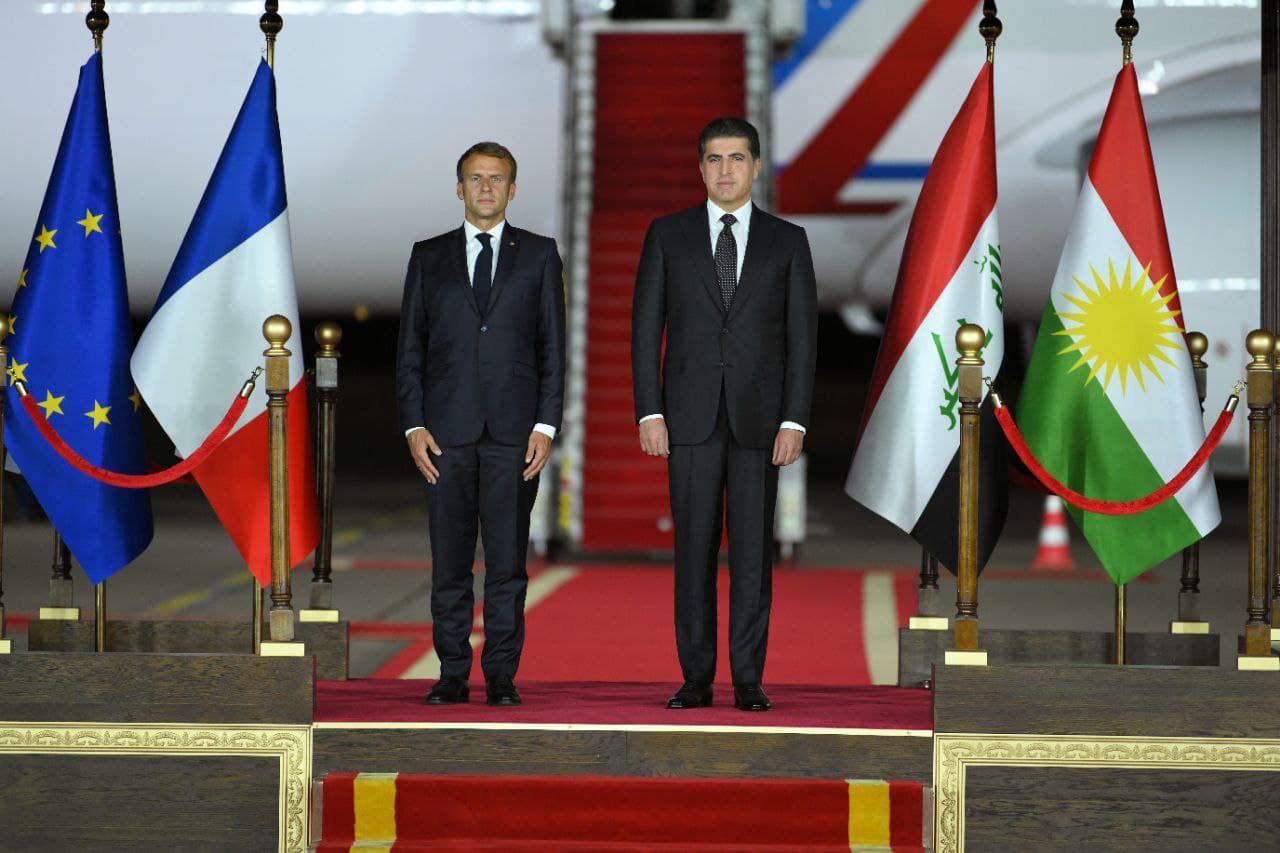
On February 5, French Foreign Minister Jean-Noël Barrot visited Damascus, Baghdad and Erbil in a day.
Especially Barrot’s meetings with Kurdistan Regional Government President Nechirvan Barzani and PKK/YPG leader Mazlum Abdi were interpreted as France exploring new opportunities in Syria.
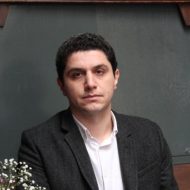
UWI author and political scientist Onur Sinan Güzaltan, author shared his views with Aydınlık newspaper from Türkiye.
No impact on the ground
Güzaltan emphasized that France’s increasing diplomatic contacts in and around Syria don’t correspond to a change in power on the ground. According to him, France’s actions reflect rather historical reflexes and entrenched political habits.
Drawing attention to France’s historical experience in the Levant, Güzaltan explained:
“France has long exercised influence along the Syria-Lebanon corridor which fluctuated over decades. Today we see that France is suffering significant losses of influence both in West Asia and Africa.”
Güzaltan also said that France’s domestic problems have direct impact on its foreign policy:
“France today is grappling with severe economic problems, societal fractures, and migration issues. There is a highly delicate internal structure, with different communities struggling to coexist. This directly constrains France’s ability to project strong and independent policies abroad.”
Macron’s predicament and France’s foreign policy
Güzaltan then talked on Macron’s predicament:
“Emmanuel Macron has long had strong ties to the finance world. At this point, he has largely lost public support. Were an election held tomorrow, he would almost certainly lose power. In such a political climate, it is not easy for France to become a decisive actor in foreign policy.”
Güzaltan also addressed the role France seeks to play in Syria, emphasizing that this approach has little tangible effect on the ground:
“France is attempting to position itself as the protector of Christians and various ethnic minorities in the region. But this has neither consistency nor real impact on the ground. After all, France is an imperialist power pursuing its own interests in the region.”
Pointing to the interests of French companies in sectors like energy, construction, and other industries, Güzaltan noted that Barrot’s visits should also be understood in this context.
Güzaltan stressed that France lacks the capabilities to act on its own in Syria and remains dependent on the US. “Today, France can only maintain a presence on the ground alongside the US. It does not have the capacity to pursue an independent policy. Even if it claimed to, such a claim wouldn’t go beyond mere rhetoric,” he said, and added that France’s military and political strength does not allow such an independent policy.