

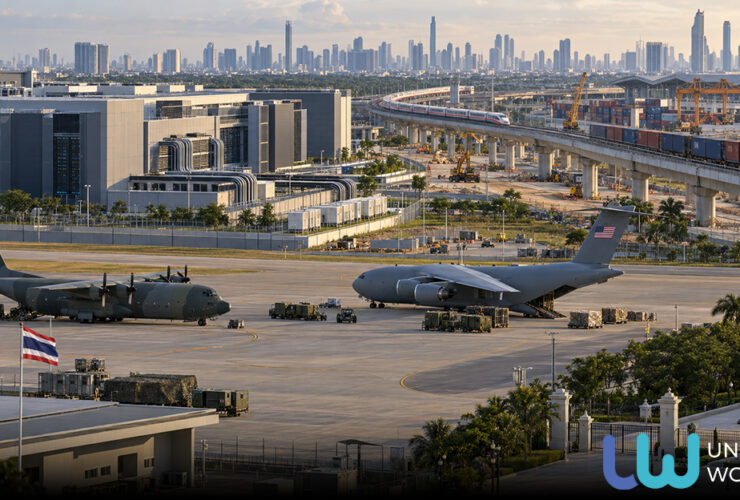
By Mehmet Enes Beşer The United States has traditionally approached its relationships with Thailand from a position of democracy and human rights obligations. Having Thailand as the oldest US ally in Asia for decades, the US has considered Thailand strategically valuable. However, geopolitics changes rapidly today, and the way the US approaches Thailand needs reconsideration. With rising competition and shifting ...

By Mehmet Enes Beşer Democracy in Thailand is characterized by a struggle between the country’s political elites’ desires to dominate the country’s political system and the will of the populace. The problem of democracy is rooted in the fact that power in Thailand lies with such authorities as the Thai monarchy, army, and powerful families, thus undermining real democratic procedures. ...
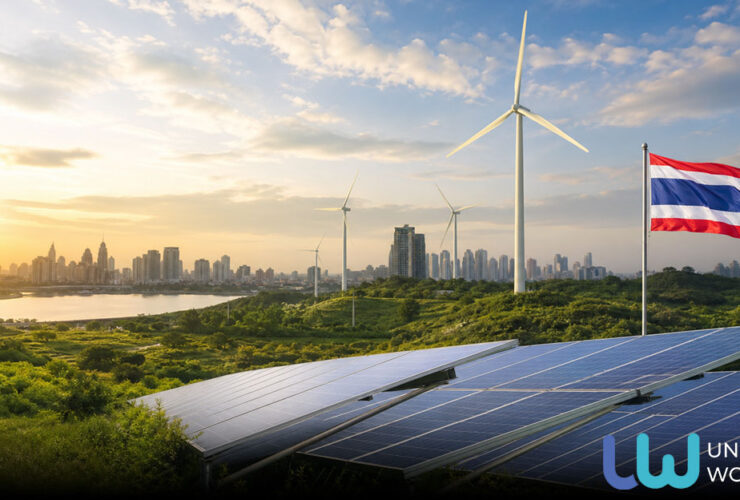
By Mehmet Enes Beşer Thailand is at a point where its energy sector faces numerous challenges and opportunities in terms of energy development. Being Southeast Asia’s most industrialized nation and one of its energy-intensive economies, it is now facing the necessity to overhaul its energy sector into something sustainable and efficient. Indeed, during the last couple of decades, Thailand became ...

By Mehmet Enes Beşer Thailand’s February 2026 referendum gave the country something it rarely gets in clean form: a national signal, delivered through ballots rather than chaos, that people want the rules rewritten. Not “maybe.” Not “Bangkok-only.” Not “just the loud kids.” A real mandate. And yes, youth networks dragged this back onto the agenda. They did it the hard ...

By Mehmet Enes Beşer Thailand’s economy has learned how to survive. What it hasn’t learned—year after year, cabinet after cabinet—is how to accelerate in a way that feels durable. Everyone has their favorite explanation. The coups. The protests. The uncertainty. The global shocks. And yes, those matter. They shake confidence. They interrupt plans. They scare investment. But if we’re being ...
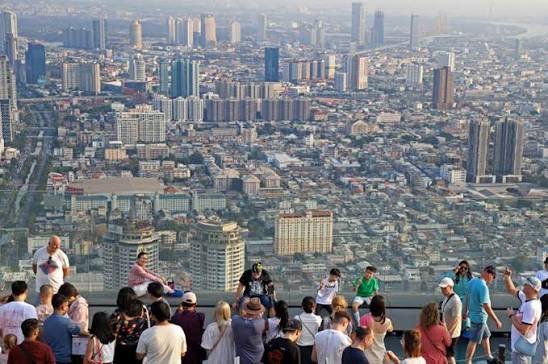
The danger is not collapse. The danger is normalization of stagnation. By Mehmet Enes Beşer Thailand is running out of excuses that even it finds convincing. For years, underperformance could be blamed on bad luck: a weak global cycle, a shock to tourism, a pandemic, an export slowdown. Or it could be framed as a politics problem that would eventually ...
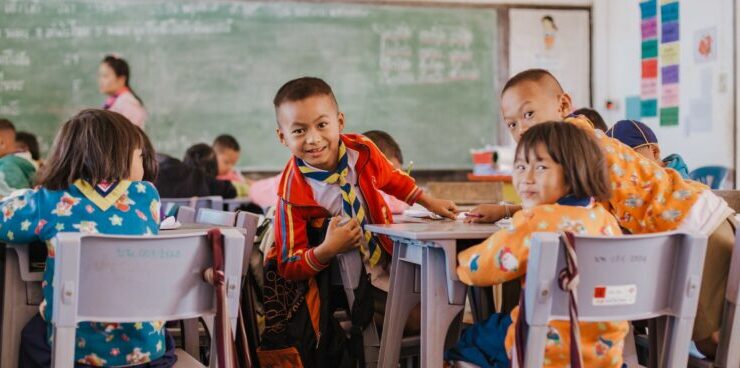
Vision Needed to Avert Stagnation By Mehmet Enes Beşer Thai education, once foreseen to be the engine of social mobility and modernization of its economy, now stands in danger of stagnating in the long term. In spite of two decades of a sequence of reforms—be it curriculum reform, decentralization, or incorporation of information technologies—the outcomes of student learning, equity, and ...
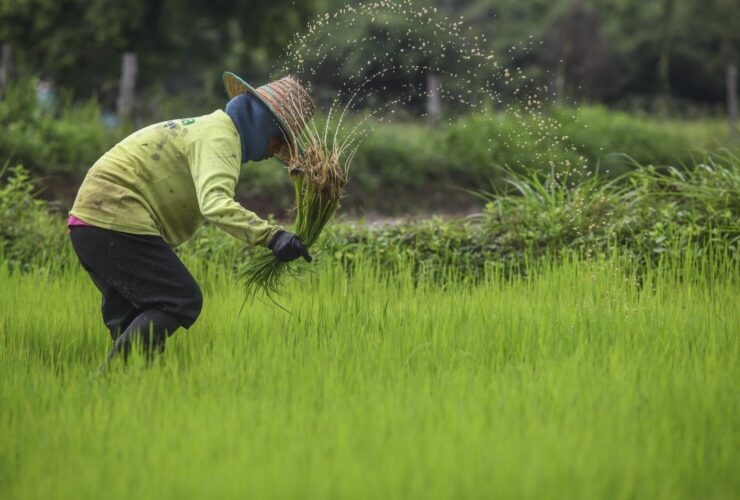
Beyond Trade Policy By Mehmet Enes Beşer Thailand’s economic progress in the past half-century has followed a predictable trajectory: a gradual drift out of agriculture as the major source of employment and GDP toward industrialization and services. The trend is characteristic of what has been seen throughout the Global South. Though, unlike most industrialized economies who finished this journey decades ...
Labor Mobility and Domestic Investment By Mehmet Enes Beşer Thailand’s recurrent economic growth in previous decades has too often been explained by its performance of exports, locational advantages in the supply chain, and resilience of the tourism sector. Whereas these sectors have undoubtedly had large roles to play, they get most of the public’s notice at the expense of more ...
Thailand has a decision to make. By Mehmet Enes Beşer For decades, Thailand’s economic self has been synonymous with turquoise waters, golden shrines, and night bazaars that glow. Tourism has been the crown jewel and crutch of Thailand’s GDP for decades, accounting for up to 20% of the economy in high-season years. But with the post-pandemic world—and ever-intensifying global trends ...