

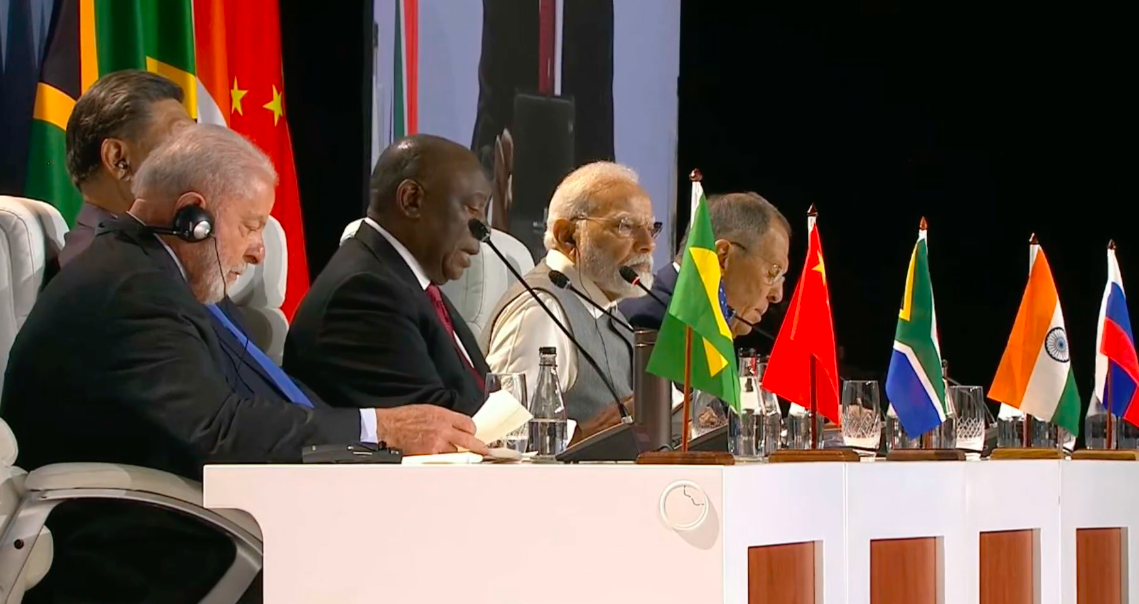
One of the most striking aspects of the tectonic BRICS summit in Johannesburg was the spectacular queue consisting of 40 countries (mega-sic!) waiting to enter the group, which had already surpassed the G-7 GDP. The G-7 had a share of 29.2% of global GDP, compared to 32.1 percent of the 5-BRICS. Of the 40 candidates, only six entered, with which ...
Apparently, Arab Gulf states have come to the conclusion that their main alliance with the United States no longer serves their economic and security interests. The Arab stance in general, and the Gulf in particular, regarding the condemnation of the Russian war on Ukraine was indecisive. It did not appear in statements issued by the Gulf capitals only, but was ...
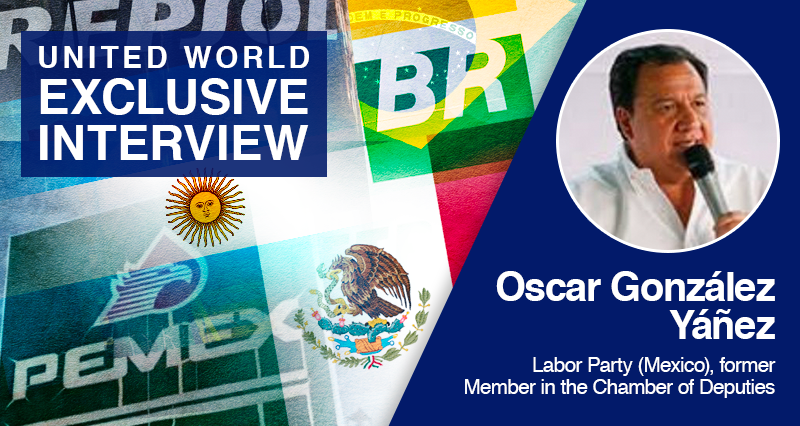
The United States continues trying to exclude Russia from international oil markets and determining the oil price, while maintaining the oil supply. Despite Washington’s attempts to organize increasing supply, OPEC has recently decided to cut production by 2 million barrels per day. In that context, another challenging proposal comes from Mexico: to coordinate price policies on Mexico’s, Venezuela’s and Brazil’s ...
Contrary to what many believe, the Gulf states are probably the biggest loser of the war in Ukraine. Some observers believe that the sanctions imposed by the West on Russian oil and gases, which cause an energy crisis and a dramatic rise in hydrocarbon prices, could benefit the Gulf states. Sanctions on Russia, the world’s second-largest oil producer and the ...
In his State of the Union speech on March 1st, the US President Biden has evaluated the Russian invasion of Ukraine as an attempt to “shake the very foundations of the free world.” And as the leader of this “free world”, Biden responded by attempting to exclude the Russian Federation from the whole international system. Sanctions, freezing of assets, closure ...