


Speech held by Secretary General of the Vatan Party, Özgür Bursalı, in Moscow, Russia. From 25 to 29 April 2026, the first international forum of SOVINTERN was held in Moscow under the leadership of the A Just Russia Party, with the participation of numerous partner parties and organizations. Bringing together more than 200 participants representing over 100 political parties, movements, ...
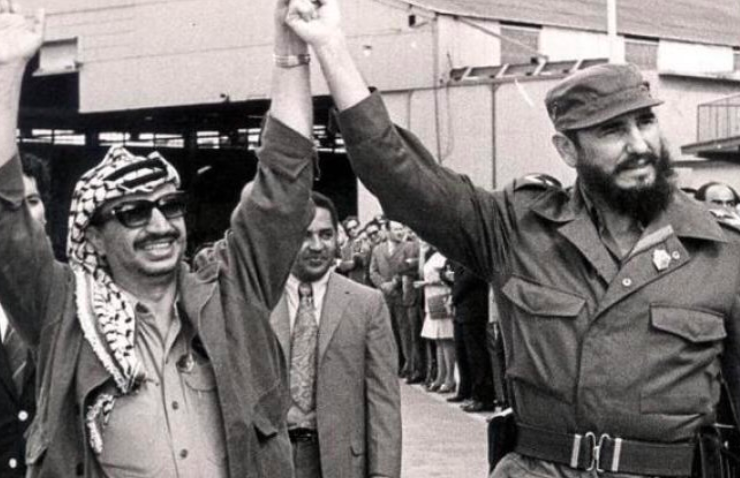
The Cuban Revolution and anti-colonialism in historic perspective. Speech held at a round table discussion titled “Fidel Castro and World Politics: The Cuban Experience in Diplomacy and International Relations”, hosted by the Patrice Lumumba Peoples’ Friendship University (RUDN) On April 22, 2026, a round table discussion titled “Fidel Castro and World Politics: The Cuban Experience in Diplomacy and International Relations” ...
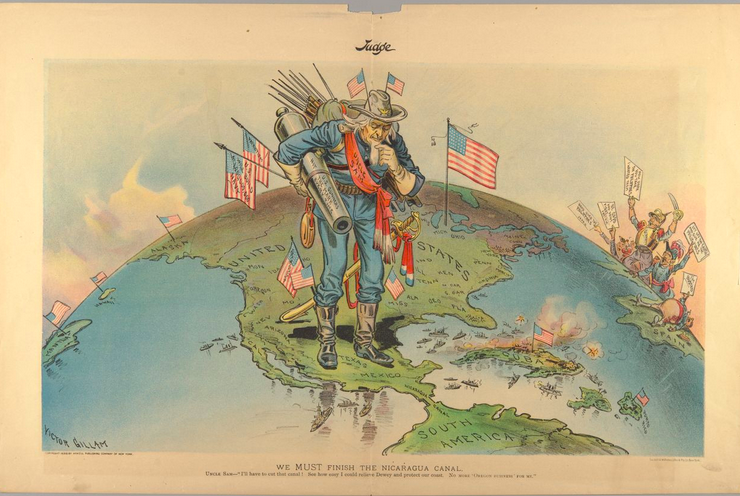
Critical minerals, pentagonal diplomacy, the Anglo-Saxon axis in the South Atlantic By Prof. Dr. Fernando Esteche “All the geography that matters north of the equator is ours. What lies south of the equator is your responsibility, in partnership with us and other Western nations.” — Pete Hegseth, Secretary of War, SOUTHCOM, Doral, Florida, March 30, 2026 “Reassert and enforce” the ...

Stuck in Yesterday’s Alliance By Mehmet Enes Beşer The liberal world order is being reshaped by a significant change wave. The times of unipolar hegemony are almost waning. The multipolar world of great complexity, rivalry, and interdependence is taking shape. With growing regional blocs, middle powers, and non-Western power, the question for the small nation like the Philippines is no ...
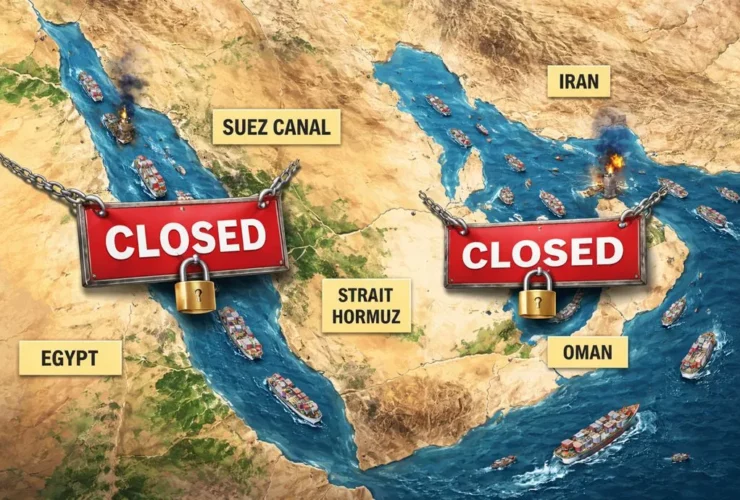
Repeating History from Hungary to Taiwan First published on the website “mavivatan.com” The year 1956 stands as one of the major breaking points in modern geopolitics. The Suez Crisis began on July 19, 1956, when the United States withdrew financing for the Aswan Dam in Egypt. It escalated on July 26, when Egypt’s revolutionary leader Gamal Abdel Nasser nationalized the ...
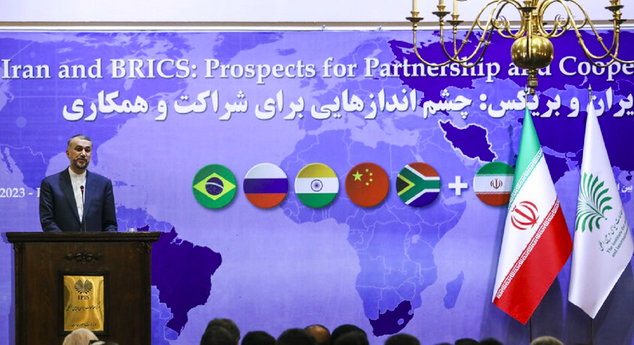
The speech of Beatriz Bissio at the forum ‘Epstein and the Bottomless Depravity of the Elites – Urgent Need for a Cultural Renaissance!’ By Beatriz Bissio, Associate Professor in the Postgraduate Program of Comparative History, Federal University of Rio de Janeiro The Executive Intelligence Review (EIR) organized an online forum on March 2, 2026, titled “Epstein and the Bottomless Depravity ...
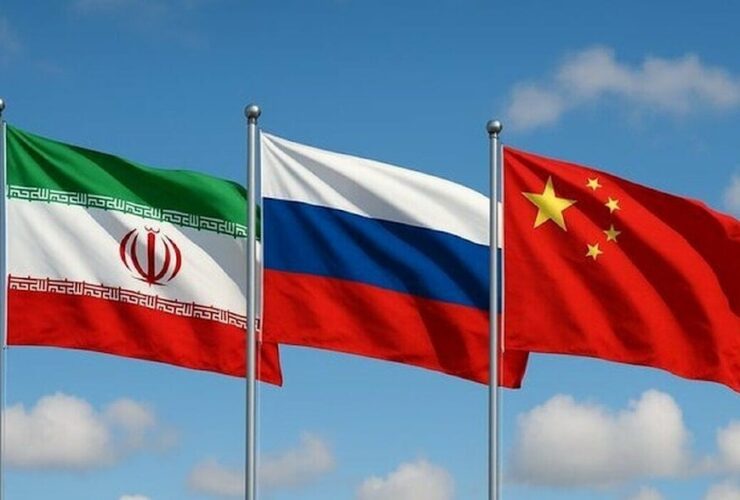
On the reasons and forms of collaboration. By Umur Tugay Yücel Iran’s current capacity to resist the United States and to continue striking strategic targets cannot be reduced to a single reason. This capacity and sustainability certainly cannot be considered independently of Chinese and Russian support. The trade, payment systems, and defense collaborations that Iran has developed with China and ...
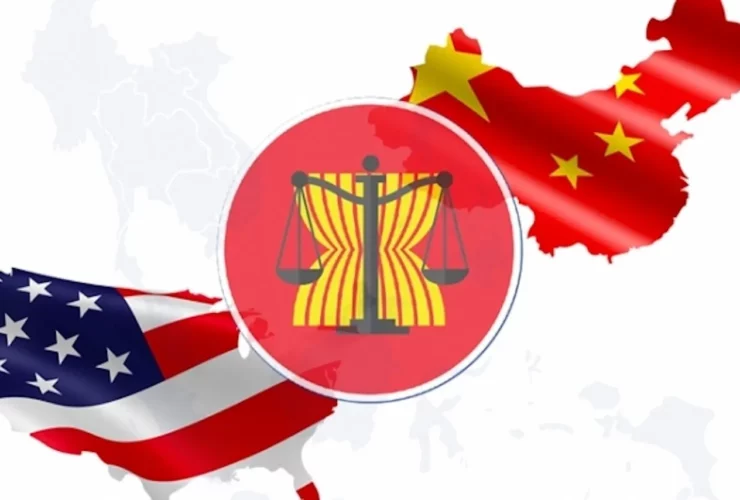
Leveraging Middle Powers By Mehmet Enes Beşer Southeast Asia is uncomfortably in the middle of 21st-century great power rivalry. China-US competition speeding up with military interventions, economic decoupling, and competing visions of the region has placed ASEAN countries uncomfortably in the middle. With the South China Sea, cyberspace, and sea lanes as the fulcrums, regional strategic contours are increasingly defined ...
It needs deeper habits of cooperation—institutions, bureaucratic routines, long-term coordination that outlives individual leaders and news cycles. By Mehmet Enes Beşer Let’s be honest: the old “one sheriff in town” story is tired. You still hear it in policy speeches—usually delivered with a straight face—but it doesn’t describe how the world actually behaves anymore. Power is scattered. Influence is negotiated. ...
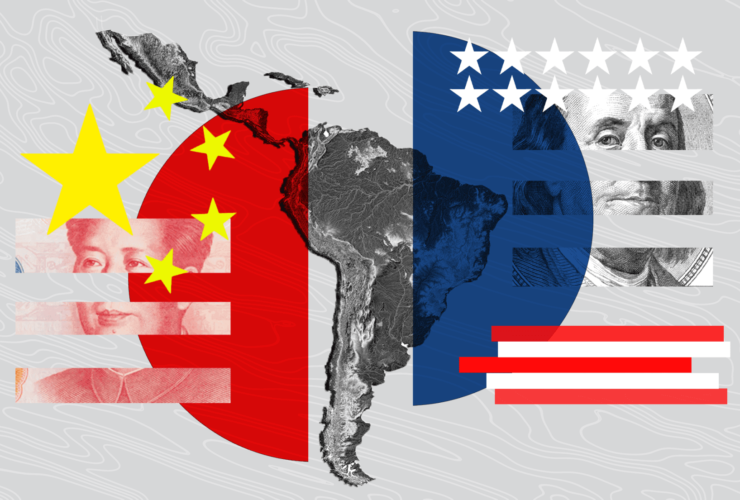
If China it thinks that by “wooing” the business sector and the right-wing governments that hate them, it will gain ground in Latin America and the Caribbean, it confirms that it understands little to nothing about what is happening in the region and what the Monroe Doctrine and the Trump Corollary mean. The process of containing China’s economic presence in ...
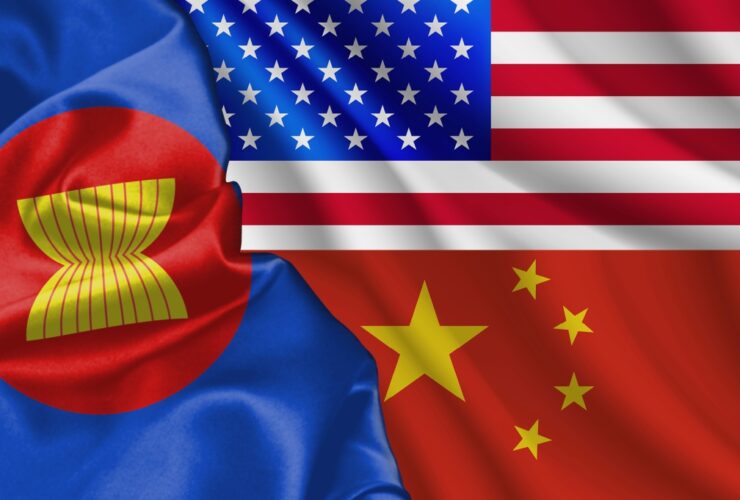
Bridges Over Balance Sheets By Mehmet Enes Beşer The United States likes to cite one number boastfully in its relations with Southeast Asia: it is still ASEAN’s single largest foreign investor. On paper, the statistic verifies Washington’s economic significance to a place that is central to global trade and geopolitics. Behind the balance sheets, however, is a more nuanced—and growingly ...

From defense rhetoric and petroleum exports to arm sales and diplomatic maneuvers, Southeast Asia is a region near and dear to Moscow’s heart upon which to make inroads internationally. By Mehmet Enes Beşer Russian strategic thinking has historically been motivated by the desire to project power beyond its near-abroad and secure a seat at the table of a multipolar world ...