


ASEAN-Australia Cybersecurity Cooperation in the Maritime Sector By Mehmet Enes Beşer Even as maritime commerce continues at the center of economic stability across Southeast Asia and indeed globally, the cyber infrastructure that powers this sector has itself become as vulnerable to cyber-attack. In maritime navigation and logistics in ports, customs databases, or energy terminals, the maritime sector is becoming more ...
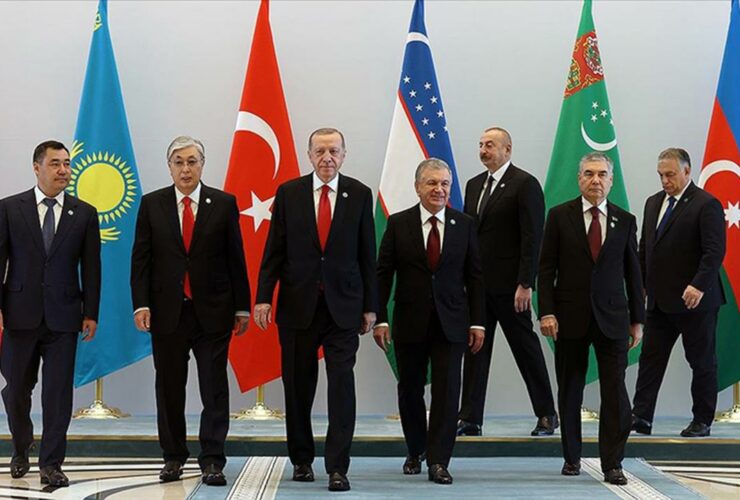
Posted by by United World International 6 Min Read May 18, 2026 By Adem Kılıç, Political Scientist President Recep Tayyip Erdoğan’s recent visits to Central Asia and his diplomatic initiatives centered on the Organization of Turkic States have gone down in history as one of the most notable pillars of the multi-layered foreign policy strategy Türkiye has shaped in recent ...
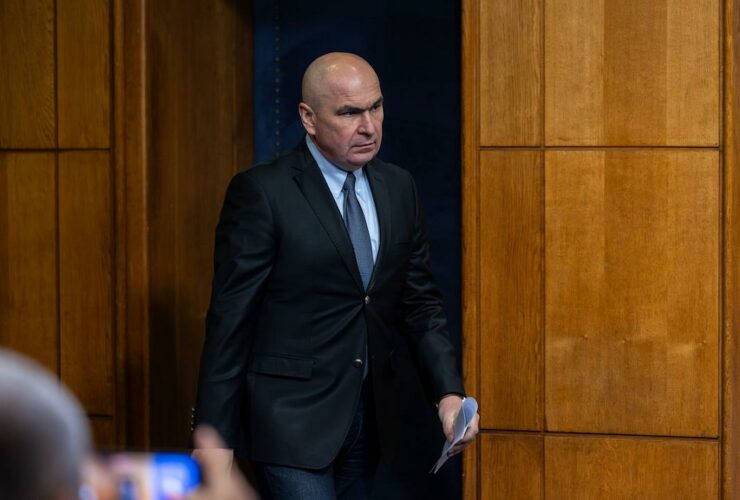
Interview with Miruna Pandele, Deputy Chair of the Romanian Socialist Party By Yasin Okyay On May 6, the Romanian government collapsed following the passage of a no-confidence motion jointly introduced by social democrats and nationalists. The motion by the Social Democratic Party (PSD) and the Alliance for the Union of Romanians (AUR), gained 281 yes votes in the 464-seat Parliament, ...
According to reports, the alliance is preparing a new propaganda initiative. Here’s what it may target. According to recent international media reports, NATO, now teetering on the brink of disintegration, is preparing to launch a massive propaganda attack by tapping into the film and television industry. Producers, directors, and screenwriters were reportedly invited to three separate high-level meetings in Los ...
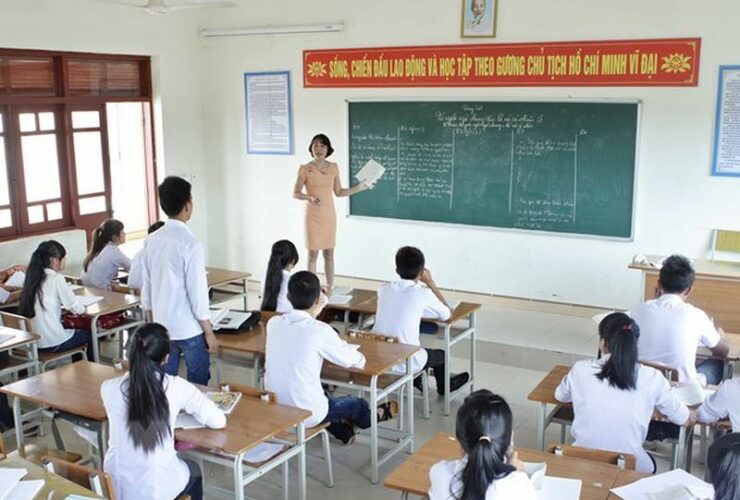
Can Its Education System Keep Up? By Mehmet Enes Beşer Vietnam is at a crossroads in its development trajectory. With almost 70% of its population within the under-40 cohort, Vietnam has a demographic window that other countries would be jealous of. Its young, energetic, and rapidly urbanizing working population has catapulted Vietnam to become one of Southeast Asia’s fastest-growing economies. ...
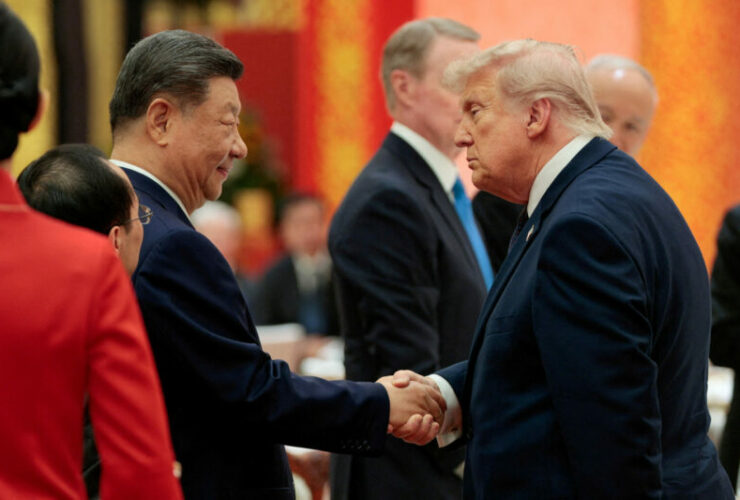
Interview with John Varoli and Andrey Korybko By Tehran Tapdigov A meeting between Chinese President Xi Jinping and U.S. President Donald Trump was held in Beijing. Executives from several major American companies, including Tesla and Apple, also participated in the dialogue held at the Great Hall of the People. According to reports, the talks lasted for a little over two ...
Mapping the Thorny Realities of a Just Energy Transition By Mehmet Enes Beşer Just Energy Transition Partnerships (JETPs) are a new ambitious model of climate finance—a call to unlock billions of dollars to facilitate developing economies to transition away from coal without abandoning livelihoods and support sustainable development. Two of Southeast Asia’s most coal-dependent countries, Vietnam and Indonesia, were among ...
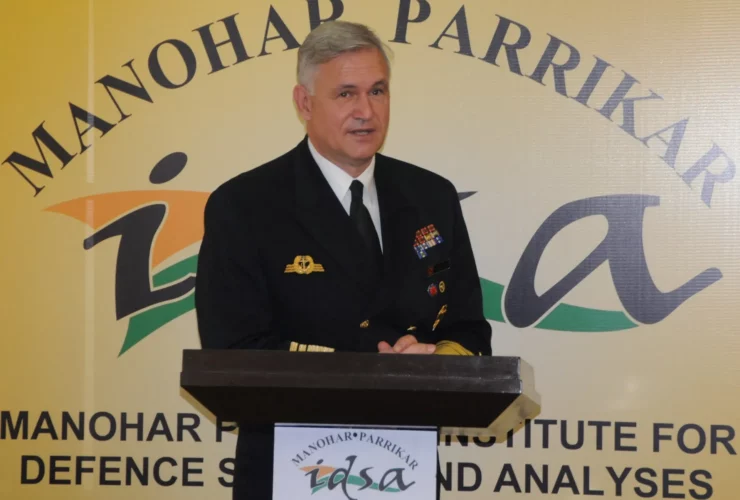
Interview with the former Head of the German Navy, Vice Admiral Kay-Achim Schönbach, on Germany’s new military strategy, the proxy war in Ukraine, and domestic troubles. By Yunus Emre Özgün Caught between a self-inflicted economic disaster and a mandated military buildup, the German state is navigating a geopolitical minefield. In an exclusive interview with UWI Data, retired Vice Admiral Kay-Achim ...
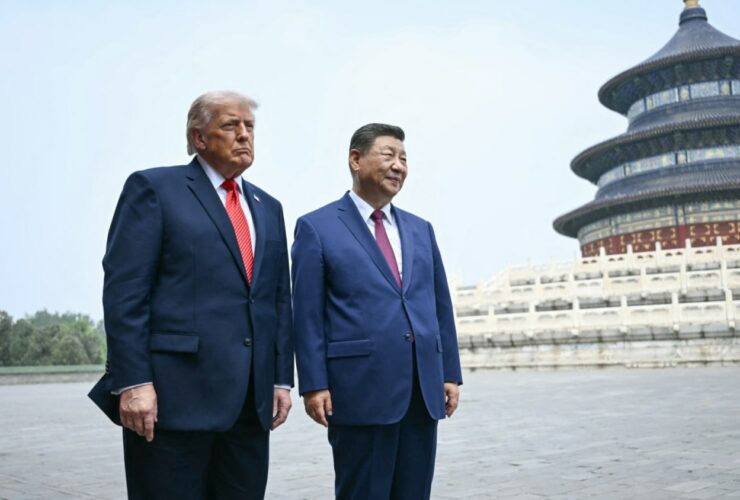
On the US president’s visit to China. By Orçun Göktürk, from Beijing / China U.S. President Trump arrived in Beijing accompanied by political representatives and a massive group of CEOs (leaders of 17 companies). Welcomed at the airport with a large and warm ceremony, Trump met with Xi Jinping and his delegation this morning at the Great Hall of the ...
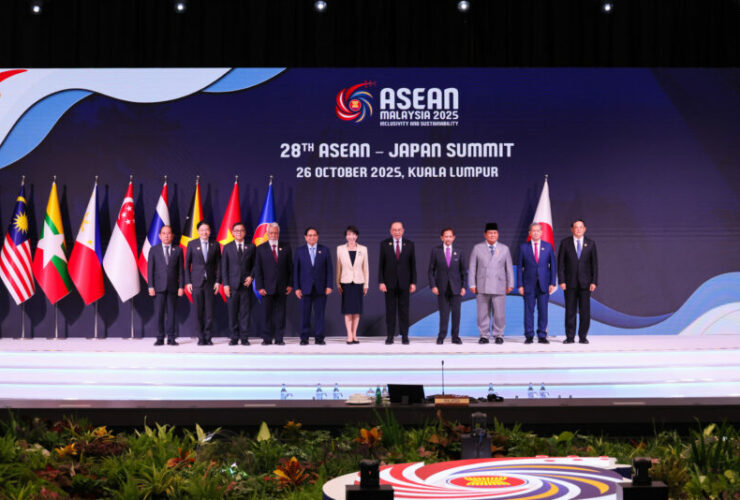
Cyber Partnership in a Fragmented World By Mehmet Enes Beşer The rapidly accelerating and technology-driven character of cyber-attacks are a certain and urgent challenge for the future online in the region. Ransomware cyber-attacks strategic assets through to phishing attacks corrupting election processes: cyber threats overshadow large and continue to cross borders while remaining in step and casting capacities behind. In ...
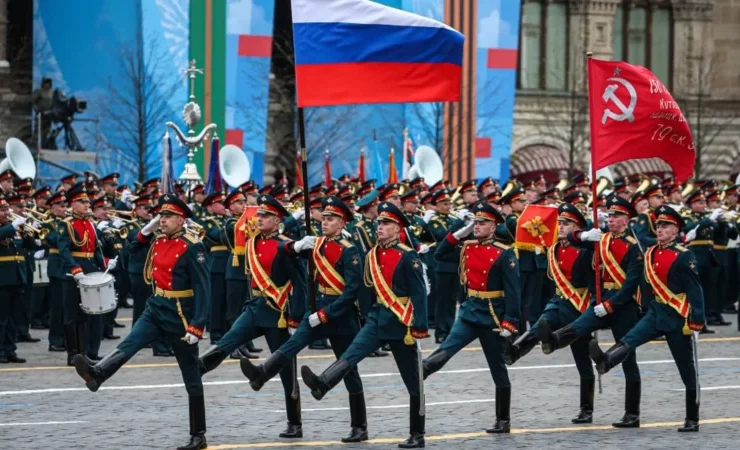
Interview to Radio Sputnik. UWI author, historian and political scientist Associate Professor Mehmet Perinçek was guest on Radio Sputnik to discuss the Soviet Union’s Victory Day (9 May). Mehmet Perinçek discusses the meaning of the war against the Nazis during the Second World War for the Soviet people, the West’s policy towards Hitler, and the global consequences of the 9 ...
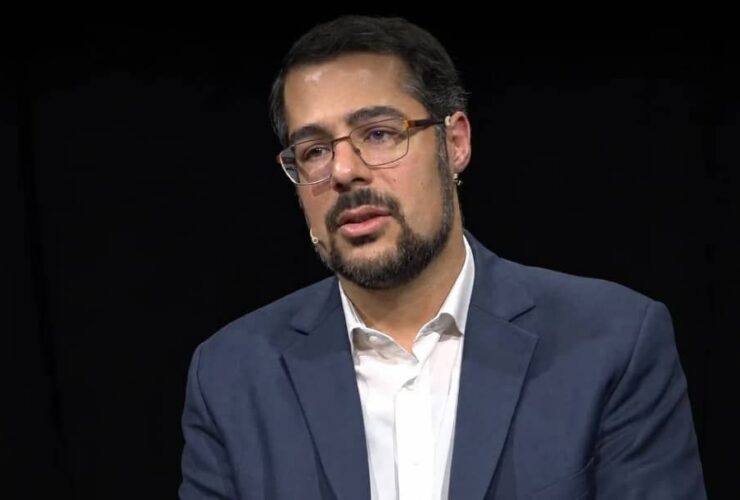
Interview with Dr. Hamed Vafaei, faculty member at the University of Tehran and specialist in Chinese affairs By Azar Mahdavan, from Tehran / Iran As military tensions among Iran, the United States, and Israel have intensified in recent weeks, growing attention has been directed toward the role of major powers in managing the crisis. In this context, China—one of Iran’s ...