


In conclusion, these latest developments in U.S.-Iran relations represent an attempt to transform military power into diplomacy.
In conclusion, these latest developments in U.S.-Iran relations represent an attempt to transform military power into diplomacy.
The announcement of a two-week temporary ceasefire agreement, negotiated on the evening of April 7, 2026, under Pakistan’s mediation in the ongoing military conflict between the United States and the Islamic Republic of Iran—which began in February 2026 and has lasted approximately forty days—and described by both sides as a “victory,” is regarded in the international relations literature as an extremely fragile example of diplomacy. This is because the agreement is conditioned on the full, immediate, and secure reopening of the Strait of Hormuz, yet it has led the parties to interpret the text of the agreement in markedly different ways, thereby rendering the prospect of a lasting peace uncertain.
Behind this ceasefire lies the withdrawal, only hours before the deadline, of a highly aggressive ultimatum issued by U.S. President Donald Trump to Iran. The ultimatum threatened to target civilian infrastructure (including power plants, bridges, and energy facilities) and contained the stark statement that “a civilization will disappear tonight and will never be brought back.” This development caused oil prices in global energy markets to fall by approximately 15-16% and triggered a noticeable rise in stock markets. However, immediately after the ceasefire, Israel’s continuation of attacks on Hezbollah targets in Lebanon, and Iran’s retaliatory threat to re-close the Strait of Hormuz, have tested the agreement’s practical enforceability from the very first day.
As emphasized by neutral observers, while Iran’s Supreme National Security Council interpreted its own 10-point plan as “the United States accepting Iran’s right to nuclear enrichment, its sovereign control over the Strait of Hormuz, and the lifting of sanctions,” declaring it a historic victory, the Trump administration, by contrast, highlights elements such as the removal of enriched uranium from Iranian territory and the preparation of groundwork for a long-term peace agreement. This contradiction, combined with the fact that negotiations are set to begin in Islamabad on Friday, clearly demonstrates how fragile the diplomatic process is and how open it remains to renewed escalation at any moment.
On the other hand, the resumption of limited traffic through the Strait of Hormuz—for a period of two weeks and under the supervision of Iran’s armed forces—which is of critical importance for global energy security (as approximately 20% of the world’s oil and natural gas trade passes through this waterway), has also brought Tehran’s demands for the formalization of transit fees to the agenda. This situation is drawing the attention of both regional countries and the international community (particularly China and the European Union), as the collapse of the ceasefire could lead to sharp increases in oil prices once again and heighten the risk of disruptions to global supply chains.
America’s Strategic Miscalculation and the Dynamics of War
On February 28, 2026, the United States and Israel launched a large-scale air campaign against Iran with the “Operation Roaring Lion.” The operation targeted Iran’s nuclear and ballistic missile programs, military infrastructure, and regime leadership. Although many high-ranking officials, including Iran’s Supreme Leader Ali Khamenei, were killed in the initial wave, the war did not result in the expected “quick victory.” Instead, it turned into a complex stalemate and is described by many analysts as a major strategic miscalculation by the United States.
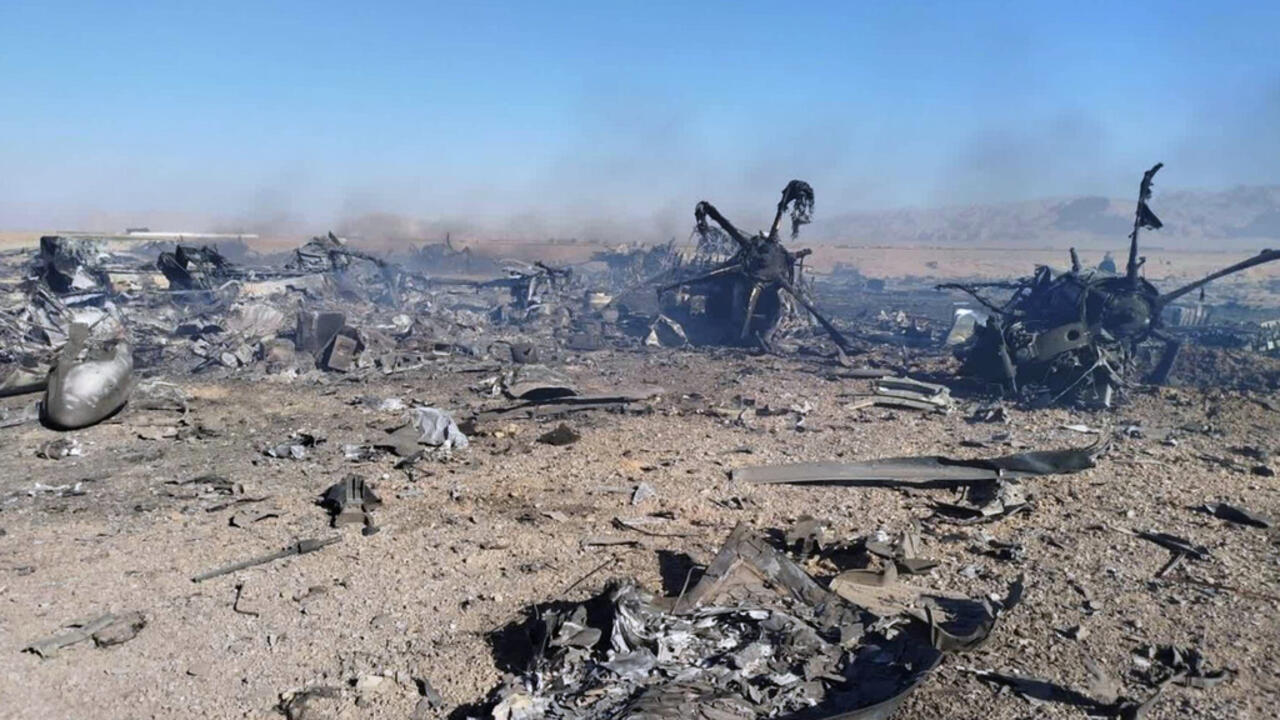
Indeed, the Roaring Lion operation, launched jointly with Israel on February 28, 2026, can be viewed as an attempt to deal with Iran using the same rapid shock strategy seen in the Iraq and Afghanistan invasions. However, by the 38th day of the operation, Iran’s air defenses and asymmetric capabilities demonstrated unexpected resilience. Technologically superior aircraft such as the U.S. F-15E Strike Eagle and A-10 Thunderbolt II were shot down. These developments have shown that conventional power superiority has its limits when faced with mountainous terrain, underground facilities, and low-cost missile tactics. In this article, while analyzing these military dynamics, we will also examine the secondary effects in the Palestinian context.
Early Stages of the U.S.-Iran Conflict and Aircraft Losses
The air strikes that began on February 28, 2026, targeted Iran’s nuclear facilities, ballistic missile infrastructure, air defenses, and top leadership. In the first 12 hours, the United States carried out approximately 900 strikes. Iran’s retaliations took the form of drone attacks on Gulf countries, Israel, and energy traffic in the Strait of Hormuz.
As of April 2026, Iran claimed to have shot down F-15E and A-10 aircraft belonging to the United States, and U.S. sources confirmed that at least one F-15 was lost over Iran and another aircraft near Hormuz. These losses have reinforced the perception that Iran’s AD-series air defense systems and swarm tactics are capable of countering low-altitude threats, while technologically advanced aircraft began to fall. The ground operation template that delivered quick victories in the Iraq and Afghanistan invasions now carries the risk of becoming a global embarrassment for the United States due to Iran’s size and resistance.
Asymmetric Deterrence and Geographical Factors
In academic literature, this situation is explained by the concept of “asymmetric deterrence.” Iran’s mountainous terrain, underground missile facilities, and proxy networks (Hezbollah, Hamas, etc.) are neutralizing conventional superiority. The aircraft losses indicate that air superiority is not absolute; a potential ground operation could create an even worse scenario for the United States due to extremely high logistical and human costs. Threats in the Strait of Hormuz have affected global energy markets and multiplied the cost of the operation many times over.
The Iran operation has overshadowed developments in Gaza and even the Epstein scandals. In October 2025, a fragile ceasefire had been achieved under U.S. mediation within the framework of the “Comprehensive Plan to End the Gaza Conflict.” This plan included phases such as hostage exchanges, partial Israeli withdrawal, humanitarian aid, and the disarmament of Hamas. However, the attacks on Iran in February 2026 diverted attention, and Israel’s re-imposition of restrictions on Gaza crossings disrupted the flow of aid.
In March–April 2026, periodic Israeli attacks continued in Gaza, affecting hundreds of Palestinians. Hamas has slowed the disarmament process by demanding guarantees for a full withdrawal. Due to Iran’s past support for Hamas, the operation indirectly aimed to target the Palestinian resistance network as well; yet the prolongation of the conflict has deepened the humanitarian crisis in Gaza. Meanwhile, the question “What is the situation in Gaza?” highlights that the region has become a secondary front and that the second phase of the peace plan—reconstruction—has been postponed.
Geostrategic Consequences and the Necessity of Diplomacy
The United States’ mistake of confusing Iran with the Iraq and Afghanistan template has clashed with technological and geographical realities. Aircraft losses and the risk of a ground operation have strengthened the perception that the operation is, so to speak, failing. Gaza, in the shadow of this war, is experiencing increasing humanitarian costs and a sense of being forgotten. In the long term, even if Iran’s nuclear and missile capabilities are successfully weakened, regional stability will be difficult to achieve without resolving the Palestinian issue. These developments once again demonstrate the limitations of asymmetric warfare and the priority of multilateral diplomacy.
In conclusion, these latest developments in U.S.-Iran relations represent an attempt to transform military power into diplomacy. However, due to the parties’ diametrically opposed victory narratives, Israel’s ongoing operations, and the uncertainties surrounding the status of the strait, they are being described in academic analyses as “a temporary breathing space.” The success of the negotiations to be conducted in Islamabad over the next two weeks appears likely to determine not only regional stability but also the future of global energy markets and the nuclear non-proliferation regime. Given the rapid evolution of events, close monitoring of the issue is of great importance from the perspectives of international relations and security studies.
Sources
Al Jazeera. (2026, April 4). Iran war: What is happening on day 36 of US-Israeli attacks?
Britannica. (2026). 2026 Iran war.
CNN. (2026, April 3). Day 35 of Middle East conflict — US fighter jet shot down.
Gençoğlu, H. (2024). Palestine in the Ottoman archival documents 1517-1917. South Africa: Johannesburg.
Gençoğlu, H. (2025, August 21). İsrail’in Filistin’de sildiği sadece hayatlar mı, hafıza mı? Independent Türkçe. https://www.indyturk.com/node/763651
House of Commons Library. (2026). US/Israel-Iran conflict 2026.
NPR. (2026, April 3). 2 U.S. jets downs, Iran hits Gulf refineries.
Reuters. (2026). Various reports on strikes and casualties.