


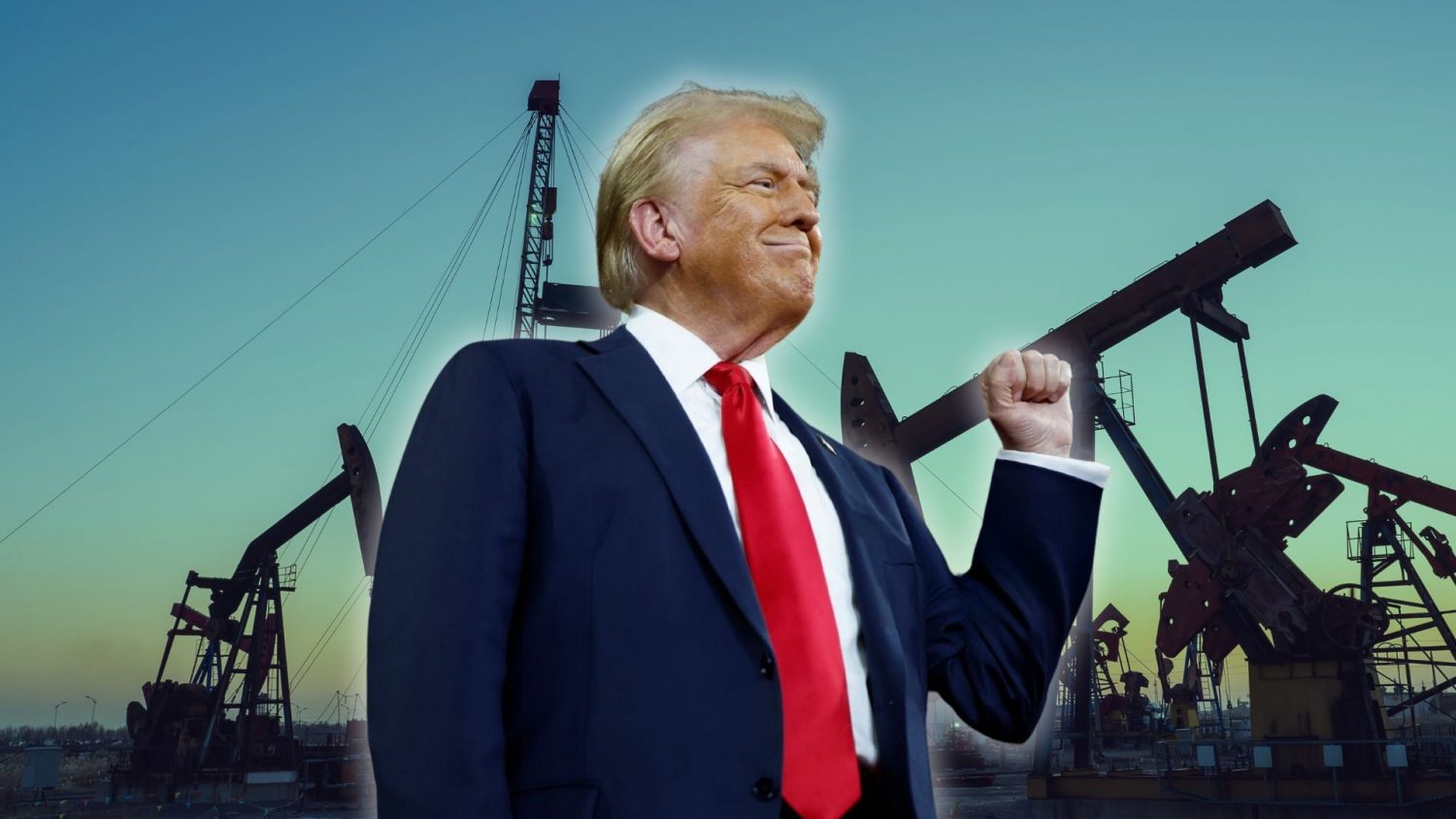
If the United States, under Trump, returns to fossil fuel nationalism, it is up to others—Europe, China, ASEAN, and the Global South—to continue the energy transition momentum.
If the United States, under Trump, returns to fossil fuel nationalism, it is up to others—Europe, China, ASEAN, and the Global South—to continue the energy transition momentum.
By Mehmet Enes Beşer
Donald Trump’s unapologetic enthusiasm for fossil fuels is not just a rejection of climate science—it is an intent to remake world energy geopolitics in America’s image. Under the guise of “energy dominance,” the former and now potentially incoming president has signaled that American oil and gas are not just commodities but weapons of strategic power. While Trump’s rhetoric is nationalistic bravado, the global implications of his fossil-fuel-centered worldview are hardly parochial. On climate diplomacy to energy security, Trump’s doctrine has the potential to reverse decades of advancement and multilateral cooperation.
At the core of Trump’s energy policy is an intentional neglect of climate change. During his first term, he pulled the U.S. out of the Paris Agreement, dismantled national environmental legislation, and made fossil fuel development a cornerstone of economic nationalism. Federal lands were opened up to drilling, methane pollution regulations were rolled back, and wind, solar, and geothermal subsidies were repealed to benefit oil, gas, and coal. A second Trump term will double down on this path, not out of economic concern, but out of ideological conviction: climate action, in Trump’s mind, is a globalist brake on American greatness.
This stance already puts the U.S. at odds with much of the world. Europe, China, and even Gulf states are diversifying their energy baskets to address climate imperatives, consumer demand, and technological transformation. The global shift towards cleaner energy, while uneven, is gaining force. Trump’s agenda, in contrast, intends to reverse this trend, not just for the United States but by coercing allies and trade partners to join it as well. By swamping world markets with American oil and natural gas, cutting clean energy cooperation, and tying foreign policy carrots to fossil fuel deals, Trump will seek to make hydrocarbons geopolitically essential once again.
In terms of actual life, such a policy manipulates energy markets. Higher U.S. exports of fossil fuels—mostly liquefied natural gas (LNG)—already reshaped worldwide supply dynamics, undermining the producers in the Middle East, Africa, and Central Asia. Exports were always backed during the presidency of Trump by aggressive diplomacy, such as to displace Russian gas on the continent of Europe or pressure Asian allies into entering into long-term LNG purchases. Energy no longer remained a market of flows but turned into a battle ground of influence.
This creates ripple effects. Firstly, it makes climate diplomacy harder. Trump’s fossil fuel campaign undermines trust in multilateral climate negotiations, particularly in the Global South. Countries already vulnerable to climate shocks and seeking green finance are now watching the world’s largest contributor of historical greenhouse gases utilize its energy wealth to sideline mitigation efforts. The symbolic impact is large: if the U.S. will not lead—or worse, actively obstruct—climate action globally, others will fall back into self-interest or complacency.
Second, Trump’s fossil-first strategy heightens global fragmentation. While Europe invests in hydrogen and renewables and China builds its solar supremacy, Trump’s America is poised to become an energy outlier. Such misalignment would exert pressure on alliances and lead to regulatory divergence on carbon tariffs, ESG standards, and tech sharing. The EU’s Carbon Border Adjustment Mechanism (CBAM) already promises to aim at carbon-intensive U.S. exports if climate cooperation collapses under Trump. What starts as energy policy soon spirals into trade tension and geopolitical misalignment.
Third, the reassertion of fossil fuels as geopolitical tools threatens to renew resource wars. From drilling in the Arctic to disputed maritime boundaries in energy-abundant territories, Trump’s promotion of combative extraction empowers rentier regimes and compromises environmental regulation. By emulating fossil maximalism, the United States legitimates the same action from petro-states, some of which are already politically brittle or authoritarian. Rather than a restrained fall in hydrocarbons, the world is witnessing a dash for oil and gas prior to restraint by regulation or climate shocks.
It is also economically short-sighted in an ironic way. The global transition to energy isn’t political—it is an act of innovation, investment, and fate. Clean technologies are getting cheaper, scalable, and acceptable politically. In coupling the American economy with sunset sectors, Trump is putting long-run competitiveness at risk, especially with green markets between EVs and green hydrogen increasingly becoming huge battlefields of industry policy and trade. A return fueled by fossils can create ephemeral jobs and revenues but poses America to crisis in the coming future—up to stranded assets and climate suits.
Conclusion
Donald Trump’s initiative to “make fossil fuels great again” is not merely an environmental policy reversal—it is an extremist attempt to restore hydrocarbons as the basis of American power and global influence. But this policy is catastrophically off the pace with the direction of global energy, diplomacy, and markets. By marginalizing climate science and weaponizing oil and gas, Trump can succeed in short-term political battles at home but at great cost: international isolation, market volatility, and accelerating global divisions over energy and environmental policy.
The world cannot afford to let a country—no matter how big— take the fate of the world hostage to political nostalgia. As the climate crisis accelerates, the energy policy stakes transcend borders. If the United States, under Trump, returns to fossil fuel nationalism, it is up to others—Europe, China, ASEAN, and the Global South—to continue the energy transition momentum. The age of oil as power is ending. Trump’s attempts to revive it are not only retrograde—it is geopolitically irresponsible.