



By Adem Kılıç, Political Scientist
Following recent developments in Syria, all actors are now faced with a reality that goes beyond temporary maneuvers or tactical delays.
For the point reached today has clearly demonstrated that the real issue in Syria is neither a new constitution nor elections, nor a struggle for so-called minority rights.
Especially since the moment the 10 March agreement was signed, experts like myself who closely follow the region on the global stage have described this process as ‘buying time,’ and unfortunately, recent developments have proven us right.
This is because, for the terrorist organization SDG, this agreement was not seen as a path to integration, but rather as a stopgap measure to legitimize their structures in the region.
However, they were confronted with the reality that their narrow view was nothing more than a fantasy within a matter of days.
The ISIS ‘story’ is over
The ISIS threat, which the US had used for years as an excuse to give these terrorist organizations a ‘mini-state,’ was used as a secret weapon and excuse to sabotage the integration process during the 10 months following the March agreement.
So-called technical commissions were established, and the negotiations evolved into multidimensional stages.
However, no theater capable of convincing either the international community or Turkey on this issue was staged.
This is because Türkiye, the only country fighting the ISIS terrorist organization head-on, continued to demonstrate its determination against this organization both in Syria and in Turkey over the past ten months.
Structures operating within Syria with the dream of establishing a ‘mini-state’ attempted to bring the terrorist organizations in Syria under Israeli control following the decline in US support.
According to information reflected in reports by important policymaking institutions such as the Washington Times and Stratfor, these useful organizations, particularly in the last three months, have turned to Israel because they have not received payments from the US and have acted with a strategy of relying on this country for both ammunition and financial support.
The most noteworthy development in this process was undoubtedly the fact that the terrorist organization SDG failed to fulfil the provisions it had committed to in the March agreement and increasingly hardened its demands.
For while integration was being discussed, the organization, which was effectively demanding a partnership, seemed to whisper in the ear of its new owner, Israel, and began to demand guardianship over the Syrian state.
The beginning of the end
For this organization in Syria, the beginning of the end occurred just before the start of the operations in Ashrafiya and Sheikh Maksut in Aleppo.
This entity, which failed to implement any of the eight points it had committed to in the March Agreement over the following ten months, made unreasonable and audacious new demands at the meeting held in Aleppo prior to the Aleppo operation, under the direction of its new masters.
At the last meeting, this entity demonstrated its strategic blindness and foolishness with demands ranging from the Syrian General Staff Headquarters being under their control, to the Syrian Deputy Minister of Defense, to oil and water resources being left to them, to the deployment of so-called SDG forces along the border with Türkiye.
Following these demands, it became clear that patience had run out, both in Damascus and Ankara.
Syrian army operations, Turkish influence and the US
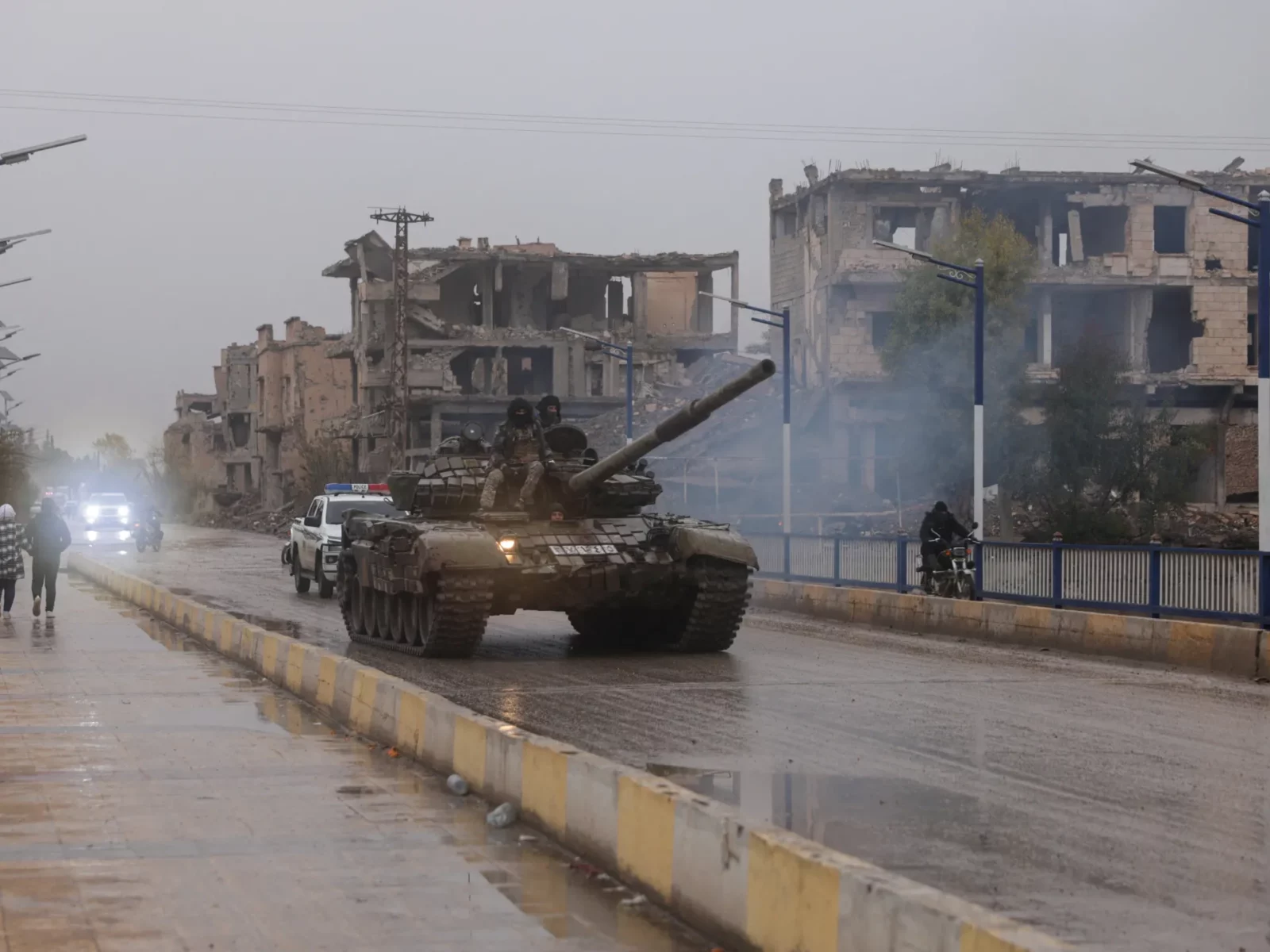
Firstly, the fact that the Sheikh Maksud and Ashrafiya line in northern Aleppo was brought under control within just 24 hours, followed by rapid advances around Deir Hafir and Tabqa, revealed that the SDG’s presence west of the Euphrates was based solely on propaganda.
On the other hand, these operations were recorded not only as a military move but also as a diplomatic message.
The message is clear.
The dreams of establishing a ‘parallel structure to the state’ and ‘a terrorist state’ in Syria have been buried.
At this point, the useful structures in Syria have run their course, and the winners of this process are Türkiye, which does not want a terrorist state on its border, and the Syrian government, which wants to rebuild the nation-state structure.
And the fate of useful ‘mine donkeys’ like the SDG is now clear. Just like in Afghanistan, it’s either clinging to the wheels of US and Israeli aircraft or the yellow bag.
The trailer is over in Syria, and the film has now begun.