


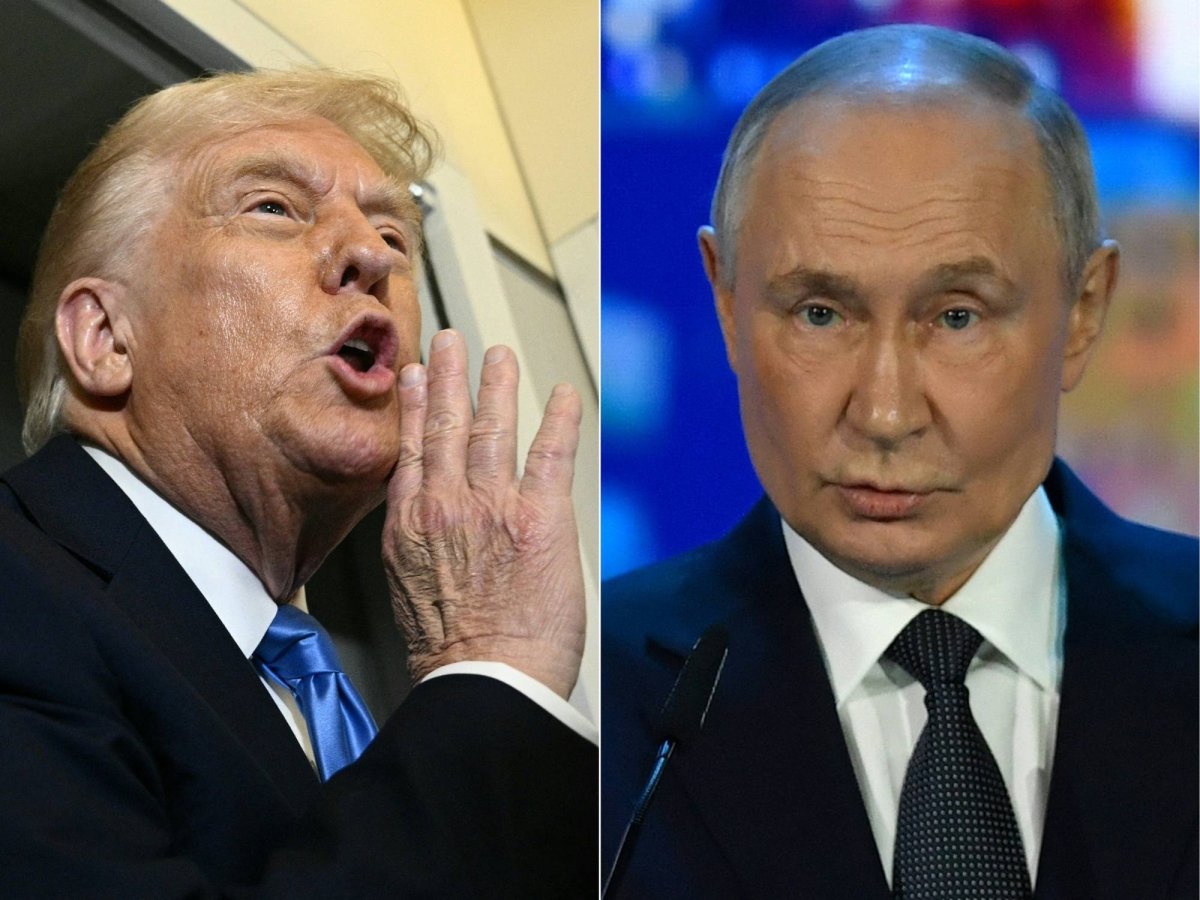
Experts comment on the proposal.
Experts comment on the proposal.
By Yıldıran Acar, Political Scientist
The new 19-article peace draft brought to the table in Geneva is being presented in Western capitals as a “diplomatic breakthrough.” However, from Moscow’s point of view, the picture is much clearer: the text does not resolve the root causes of the war; on the contrary, it creates a new framework aimed at constraining Russia in military, political, and economic spheres. The Kremlin’s cautious stance largely overlaps with the sharp analyses of Russian experts.
Moscow’s Line: “A text of pressure wrapped in the language of peace”
Russia’s official position is not to completely reject the draft, but it clearly keeps it at arm’s length. Three main reasons stand out:
- The status of the regions under Russian control is left ambiguous.
- There is no security mechanism that would prevent NATO’s de facto integration with Ukraine.
- The fate of frozen Russian assets is unilaterally regulated to the benefit of the West.
According to Moscow, this draft does not bring peace; it narrows Russia’s strategic space.
What Are Russian Experts Saying?
“This plan is not a peace document for Russia, but a tool of controlled pressure.”
Many prominent figures in the Russian intellectual and strategic community have examined the plan in detail. One of them, however, has become central to the debate because of the metaphor he used. Andrey Kolobov: “This text is a Trojan Horse.”
Russian military-political analyst Andrey Kolobov, after examining the structure of the draft, makes a striking observation:
“This plan is a Trojan Horse slipped into Russia’s strategic space under the guise of peace.”
Kolobov’s criticisms concentrate on three main points
1. Ambiguity in security guarantees
According to Kolobov, the draft offers strong external guarantees to Ukraine while addressing Russia’s security only in vague, general terms. In particular, the attempt to differentiate between the concepts of “occupation” and “aggression” effectively opens the door for Ukraine to carry out attacks on Russian territory; because the guarantees are only considered invalid in the case of “occupation.” Kolobov sums it up as follows:
“The text gives Ukraine the ability to wage war without waging war.”
2. Asymmetric structure of demilitarized zones
The draft foresees the demilitarization of certain areas. Russian forces are not allowed to enter these zones; however, there is no real barrier to prevent Ukraine from using these areas militarily again through indirect means. For Kolobov, this means that the ground for future conflicts is being prepared today.
3. Turning frozen Russian funds into “institutionalized confiscation” by the West
The transfer of one-third of the 300 billion dollars of Russian assets to Ukraine and the allocation of the remaining amount to funds controlled by the United States represents not only an economic loss for Russia, but also a long-term threat. Kolobov’s assessment is harsh and explicit:
“An economic trap designed to use Russia’s own money against Russia.”
It is not only Kolobov; many Russian experts share similar concerns:
- Aleksandr Bovdunov states that the plan is built on the idea of strengthening Ukraine and constraining Russia.
- Maksim Andreyev emphasizes that limiting the Ukrainian army to 600,000 personnel does not constitute a real cap and is only practically applicable on paper.
- Some geopolitical analysts argue that the plan functions as a “ceasefire that forces Russia to pull back while giving Ukraine an opportunity to recover.”
Europe’s Goal: “Not ending the war, but wearing Russia down”
The core approach of European capitals fully aligns with the analyses of Russian experts:
Europe is determined to protect Ukraine’s territorial integrity and its NATO perspective; but at the same time, it does not truly want the war to end completely. Because a prolonged conflict ensures that Russia is worn down economically and militarily. For Europe, the Geneva draft is not a text of peace; it is a controlled balancing mechanism through which pressure on Russia is maintained.
Ukraine’s Calculation: “Time to recover and rearm”
For the government in Kyiv, the draft does not offer a solution that compensates for its losses; however, it allows the army to catch its breath and ensures the continued flow of economic support. Moreover, thanks to this draft, Ukraine moves closer to NATO’s security umbrella in practice, without formal NATO membership.
Conclusion: What Is Being Offered in Geneva Is Not Peace, but a New Phase of Pressure
From a Russia-centric perspective, the Geneva draft:
- Weakens Russia’s security environment,
- Preserves Ukraine’s military capacity,
- Supports Europe’s long-war strategy,
- Institutionalizes economic pressure and creates new spaces open to provocation.
Perhaps Andrey Kolobov’s words the best capture the essence of this draft:
“This text is not prepared for peace, but as a Trojan Horse designed to rewrite the conditions of war to Russia’s detriment.”
Although the establishment of a negotiation platform in Geneva is an important step, it is clear that the current draft does not fully meet the security and balance requirements necessary for a long-term and sustainable peace. From Russia’s point of view, it is evident that any framework that does not alleviate its strategic security concerns will have a limited capacity to produce a lasting solution.