

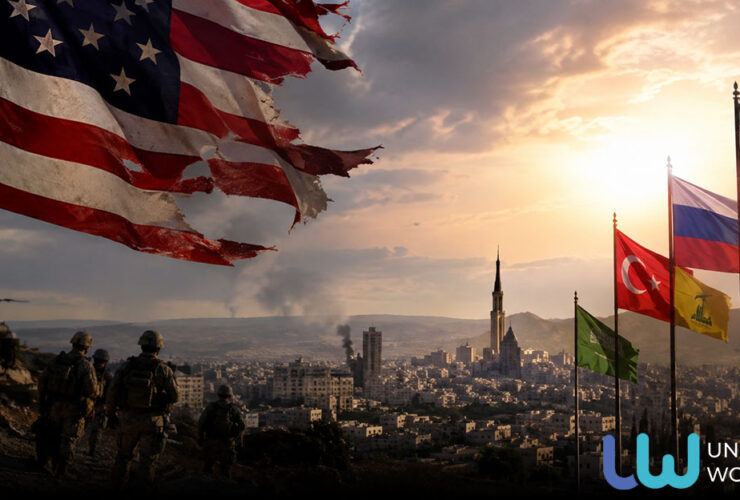
By Adem Kılıç, Political Scientist The security equation in the Middle East has been built almost entirely on the US security umbrella for decades, and states in the region, particularly the Gulf countries, believed that they could rely on the military power of the United States. However, the fact that the US stood alongside genocidal Israel in the face of ...
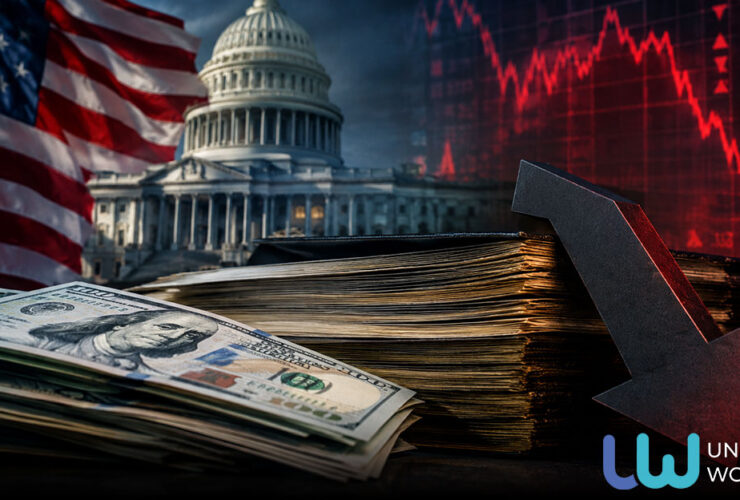
“Houston, we have a problem here.” The iconic phrase uttered by astronaut Jack Swigert and echoed, albeit with a touch more restraint—to convey calm—by Jim Lovell, commander of the Apollo 13 space mission in April 1970, has informally become the alert used when an unforeseen event arises, indicating a difficult situation requiring immediate attention. For cinematic purposes, in the film ...
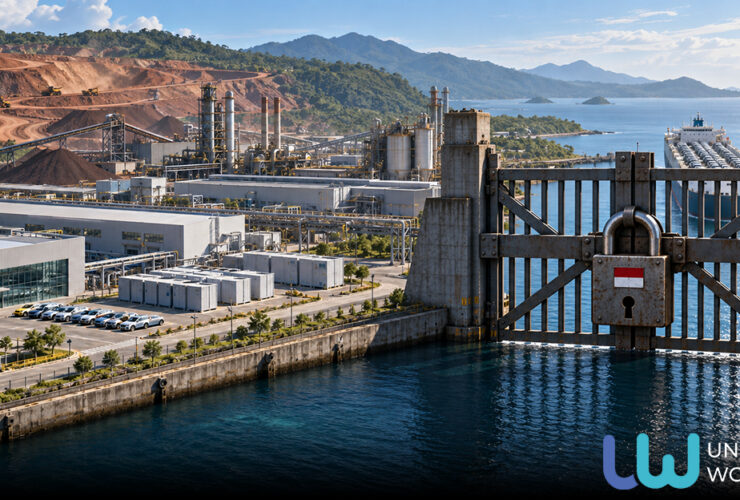
By Mehmet Enes Beşer One of the largest Southeast Asian economies and a significant growth engine in the region is Indonesia. Today, this state is revising its participation in the global trade system, increasingly becoming more protective and selective. Under President Widodo’s presidency, the country pursues a nationalistic and restrictive industrial policy aiming to industrialize the economy, add more value, ...
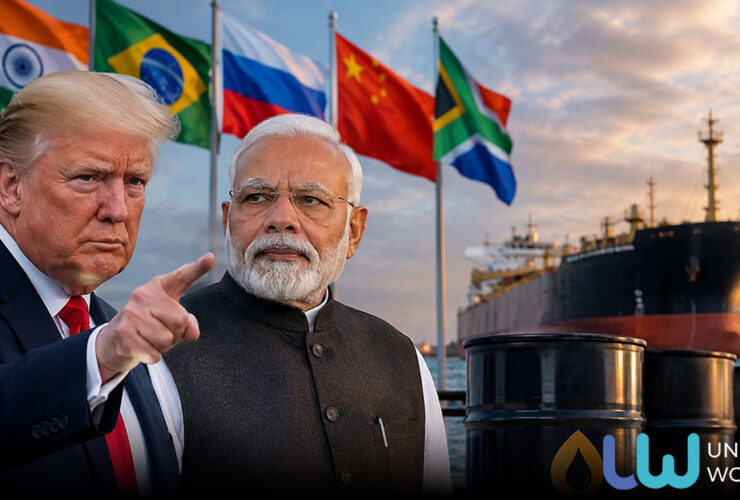
From New Delhi / India The BRICS summit in India concluded, with an emphasis on the world in transition to multipolarity. Washington responded, with US president Trump signing into law a bill that announces sanctions on those countries that import Russian oil. The summit, held on September 12–13, brought together the expanded 11-member BRICS grouping at a moment of heightened ...
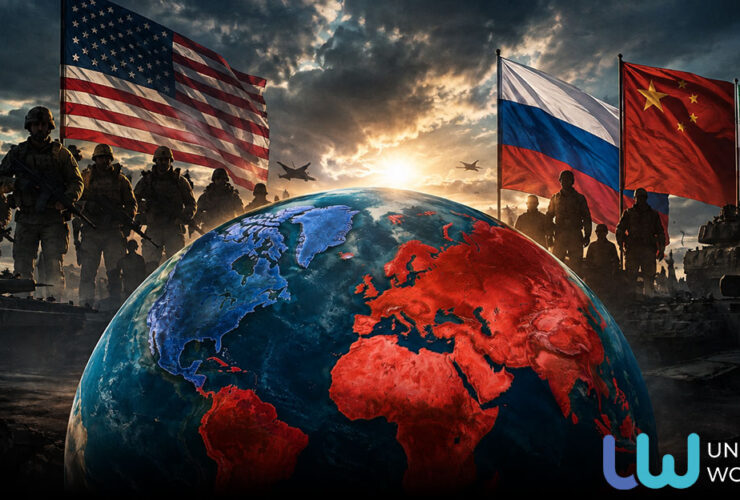
The threat of a global war… It is no longer hidden from view. Everyone is talking, writing and debating about what is approaching. Every other day, Trump threatens to wipe Iranian civilization off the face of the earth. The Strait of Hormuz and the Bab el-Mandeb Strait, through which roughly 30 percent of the world’s oil trade passes, have been ...
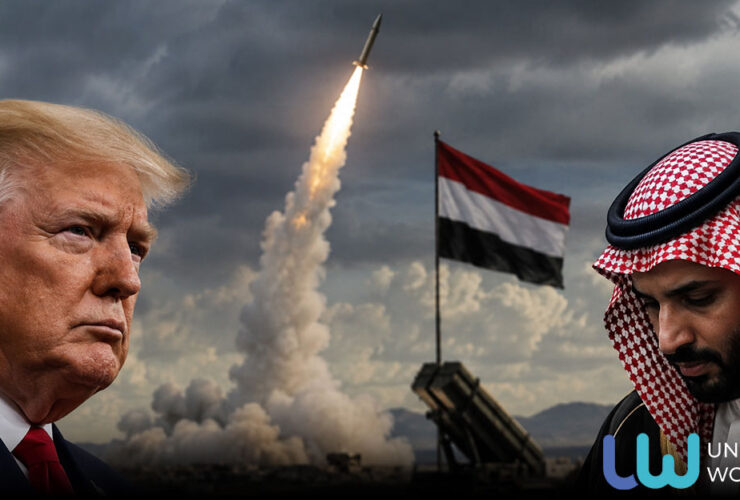
Since the historic summit between King Abdul-Aziz Ibn Saud and US President Franklin D. Roosevelt in 1945, the alliance between Riyadh and Washington has rested on a well-worn, explicit transactional nexus: oil in exchange for security. Yet the ongoing conflict in Yemen—where the Houthis have systematically brought vast swathes of the country under their control—serves as a resounding declaration that ...
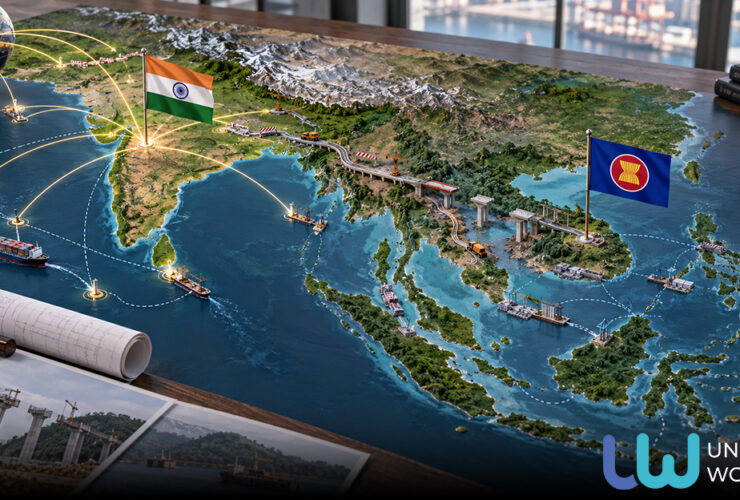
By Mehmet Enes Beşer The global ambitions of India have never been as pronounced before. With a rapidly growing economy, colosseum-sized demographic dividend, assertive foreign policy, and growing activism in global spheres spanning from the Quad to the G20, India aims to position itself as equals to China and the West. Nevertheless, as more international prestige, the more awe-inspiring is ...

By Orçun Göktürk, from Beijing / China Chinese President Xi Jinping and US President Donald Trump have met for the third time in a year. The decision to take a “short pause” in the trade war, which began on the sidelines of the APEC summit in Busan, South Korea, last October, was reinforced by Trump’s visit to Beijing in May. ...
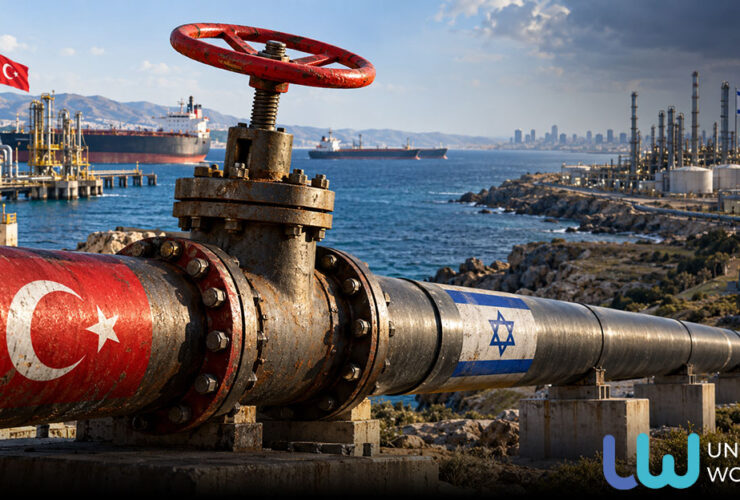
By Erkin Feyyaz Eşli On 16 September, the Turkish Foreign Minister, Hakan Fidan, stated that Netanyahu was deliberately attacking neighbouring countries because he feared competition. Prior to this, the minister had said that ‘Israel cannot survive without an external enemy’, and that following a war with Iran, Türkiye would become that enemy. According to him, hostility towards the Turks is ...

By Dr. Shoaib Khan, Founder and President, ALFAAZ Education and Cultural Society, Mumbai Visiting Faculty, Centre for Central Eurasian Studies, University of Mumbai New Delhi’s relationship with Beijing has been more about temporary calm than a true shift in strategy over the past year. Still, India has started to agree on more measures that allow greater access to Chinese investments ...