


By Mehmet Enes Beşer
As the Philippines—a nation rich in natural resources and vulnerable to environmental conditions—pursues its quest to become a greener economy, there will emerge new opportunities in conjunction with the initial phase of transitioning based on the same criteria.
The green economy concept involves a symbiosis of economic growth and environmental sustainability, as well as socio-ethical principles. In accordance with the stated objective, green growth must be pursued while accounting for pollution challenges. The goal of this work is to identify key drivers of pollution in the Philippines and examine their impact on green economy reforms.
First, unregulated urbanization is one of the leading sources of pollution in the Philippines. Rapid urbanization processes took place in Manila, Cebu, Davao, and other cities as a result of population growth, migration, and economic activities. However, insufficient development of urban infrastructure led to the degradation of waste, air, and water treatment facilities. In particular, inadequate waste management has resulted in the accumulation of plastics, household waste in rivers, and increased flood risks in addition to environmental pollution. While sanitary landfills are established in a handful of urban areas, there is a tendency towards waste dumping in others. Additionally, there are a limited number of facilities responsible for controlled burning of waste, and the rest of the waste is burnt outdoors, causing a significant number of greenhouse and airborne pollutants to be released into the environment.
Industrial areas situated on the outskirts of the main metropolitan areas release their untreated effluent into rivers and other water bodies and coastal zones. Even though there is the Ecological Solid Waste Management Act that has been put into effect since 2000, its enforcement practices vary widely depending on the capabilities of poorer local government units and their technical expertise. Fossil-fuel-driven energy consumption represents another causal agent.
Though renewable energy generation increased with hydroelectric, geothermal, and solar energy becoming increasingly prevalent, coal continues to dominate in terms of electricity generation. Numerous power plants located in Luzon and Mindanao produce considerable amounts of particulates, sulfur dioxide, and carbon dioxide in addition to toxic ash and wastewater. First, even though moratoriums on coal projects have been introduced by the Department of Energy, there has been no improvement in lowering the reliance on coal as a result of investment interest. Second, the transportation sector becomes a source of pollution in urban areas.
There are numerous jeepneys, buses, and tricycles, which are old, inefficient, and mostly operate with diesel engines. Thereby, considerable amounts of particulates, carbon monoxide, and nitrogen oxides are being emitted by these vehicles in conjunction with traffic pollution, which peaks during rush hours. Though improvements to mass transit under the Public Utility Vehicle Modernization Program (PUVMP) are needed, they are currently on hold because of the resistance of transport operators and their inability to buy new, eco-friendly vehicles due to lack of appropriate funding. Land management and agricultural production have long been regarded as significant polluters.
Deforestation, soil erosion, and water pollution are some of the outcomes of slash-and-burn practices, fertilizer overuse, and indiscriminate land conversion. Agricultural runoff containing pesticides and nutrients leads to river pollution and contributes to eutrophication. Deforestation occurring in upland regions can be caused by illegal logging operations, mining or agriculture and results in the loss of carbon sinks and increased risks of floods and landslides. Though there is a legislative base that regulates these types of practices, including the Clean Water Act and the Agriculture and Fisheries Modernization Act, there have been cases of discriminatory enforcement owing to corruption or lack of interest on behalf of law enforcement agencies. Industrial activity and mining account for the second most significant sources of pollution especially in regions rich in natural resources such as Caraga, Palawan, and Mindanao.
Open pit mining operations produce hazardous materials that contribute to the water pollution and destruction of ecosystems in addition to toxic waste. Though the practice of mining is regulated by the Environmental Impact Assessment (EIA) approach, many mining enterprises have succeeded in evading liability owing to regulatory loopholes, corruption, or poor monitoring. Post-pandemic attempts to recover the economy have brought new pressures for conducting environmentally harmful projects on the grounds of generating investment and creating jobs. In addition to pollution problems, environmental governance issues can be identified as well.
Though there exists a significant body of environmental legislation consisting of dozens of acts and implementing agencies, institutional overlap leads to inefficiencies and inconsistent enforcement. Corruption, lack of transparency, and the absence of public trust pose further obstacles to environmental governance, which is hampered by financial limitations as well. Lack of funding prevents environmental agencies from monitoring pollution compliance and performing environmental remediation, which is crucial in marginalized and remote communities.
Environmental damage and social problems are highly interconnected; therefore, it can be said that poor people are the victims of pollution—residing near landfills, polluted rivers, and industrial areas—with minimal ability to take measures to protect themselves or receive medical help. Residents of slums often lack basic sanitation and waste management, thus sustaining cycles of pollution and exposure. The enforcement of environmental legislation tends to be stricter against smaller entities than larger companies, which creates an imbalance in accountability.
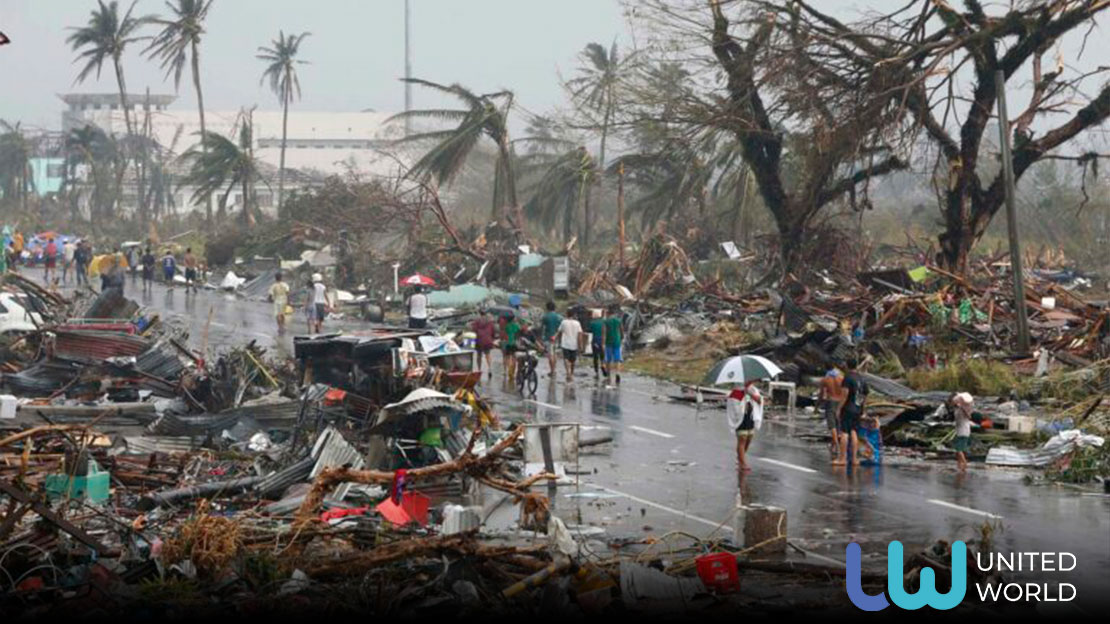
Public awareness and education can either be a threat or an opportunity. While public opinion about the environment is generally positive, driven by spectacular events like Typhoon Haiyan (Yolanda) or the temporary closure of Boracay Island, ongoing education is necessary for fostering green behaviors. In light of the importance of consumer behavior and transportation decisions in terms of pollution prevention, there is a need to educate citizens and encourage them financially. The process of green economy development in the Philippines should not be understood solely through the prism of technology transfer and foreign direct investments; rather, it should include shifts in natural resource use and economic growth as a whole.
As the case shows, pollution in the Philippines is a manifestation of structural contradictions between environment and economy. By addressing these factors, the Philippines can pursue green growth.