


Pakistan needs to tackle multiple challenges through well-rounded and practical solutions.
Pakistan needs to tackle multiple challenges through well-rounded and practical solutions.
By Mehmet Enes Beşer
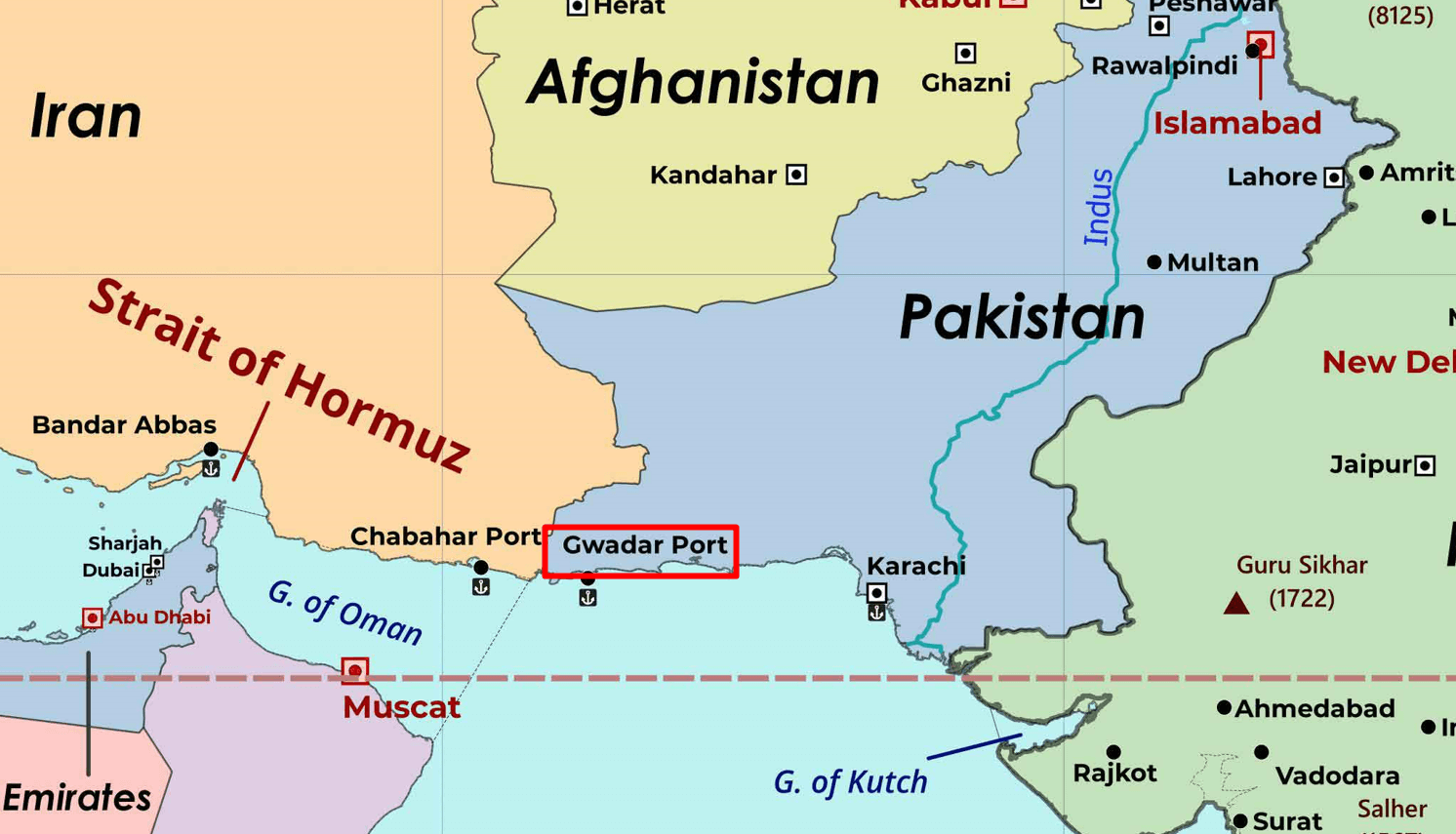
Gwadar Port, located in Pakistan’s Balochistan Province, represents the nation’s efforts to achieve economic transformation and regional connectivity. As a core component of the China-Pakistan Economic Corridor (CPEC), Gwadar is expected to act as a crucial link in the China Belt and Road Initiative (BRI), providing access to the Arabian Sea. Nonetheless, the construction of Gwadar Port has been beset by various economic, security, and geopolitical challenges that highlight the difficulties associated with large-scale infrastructural endeavors.
Initially, the development of Gwadar Port was tied to Pakistan’s hopes for economic revitalization, especially in the underdeveloped Balochistan region. Supporters of the port viewed it as a vital node that would enable foreign investments, create job opportunities, and facilitate trade connections with Central Asian countries. Infrastructure upgrades, including roads and railway networks, were anticipated to boost intra-country connectivity and increase Pakistan’s maritime influence in the region.
However, despite these lofty goals, Gwadar Port has failed to become a hub for commercial activity. As of 2023, the port still lacks adequate connectivity to other Pakistani cities and does not conduct enough business to attract investments. Moreover, the lack of basic amenities, such as electricity and clean water, has further impeded development and fostered discontent among local communities and protests.
In addition to economic obstacles, Gwadar Port faces severe security risks due to insurgent movements in the region. In particular, the BLA, a separatist insurgent group operating in Balochistan, opposes any exploitation of its territory by external forces. Consequently, these insurgents have attacked various infrastructure projects and even murdered several Chinese nationals involved in CPEC initiatives. In August 2024, a series of attacks against CPEC-related projects and people working on them left dozens dead, indicating that the situation remains highly volatile for both Pakistani and Chinese personnel. As such, Pakistan and China need to address these security concerns, which threaten to undermine their economic cooperation.
Moreover, the strategic importance of Gwadar Port goes beyond Pakistan’s economic interests. For China, the acquisition of Gwadar allows it to create an alternative and safer route for importing energy supplies from the Middle East, circumventing the treacherous Strait of Malacca. However, this deepening economic partnership between Pakistan and China has raised alarm bells for other regional and international players, such as India and the United States. Specifically, they suspect that China may use Gwadar Port for military purposes and establish an overseas naval base there to alter the strategic balance in the Indian Ocean region. Reports emerged claiming that Pakistan might have given China permission to construct a military base in Gwadar, although neither country confirms this information.
The promise of economic development through Gwadar has yet to produce tangible benefits for locals. Many inhabitants of Balochistan feel neglected, as their quality of life has not improved significantly, nor have many employment opportunities been created. Moreover, locals believe that they are being exploited by outside entities who reap financial gains while neglecting to compensate the population.
The development of Gwadar Port embodies Pakistan’s ambitions to achieve economic prosperity and strengthen its strategic position in the region. Yet, to fulfill these objectives, Pakistan needs to tackle multiple challenges through well-rounded and practical solutions. First, security risks remain a critical issue, as Balochistan continues experiencing an increase in insurgent activities, including the notorious actions of the BLA. Second, economic benefits of Gwadar Port have yet to materialize in terms of economic growth in the Balochistan region. For instance, the newly built New Gwadar International Airport, which cost $240 million to complete, became underused after its launch, reflecting wider problems in CPEC. Indeed, despite massive investments in infrastructure development in the area, few economic advantages have accrued to the local population so far.
Gwadar Port attracts attention from regional and international actors due to its strategic importance. Particularly, the construction of a military base at Gwadar raises suspicions regarding its possible military uses by China, potentially disrupting the balance of power in the Indian Ocean. To refute these allegations, both China and Pakistan have denied them, but doubts persist nonetheless.
Although Gwadar Port holds immense potential to revolutionize Pakistan’s economic landscape and improve its strategic standing, resolving these complex issues will require a holistic approach. Specifically, Pakistan must adopt robust security measures that ensure protection for investors and personnel. In addition, Pakistan must pursue inclusive economic policies aimed at empowering the local population, thereby eliminating feelings of alienation. Finally, maintaining open channels of dialogue with regional and international actors will help assuage geopolitical concerns and promote cooperation.